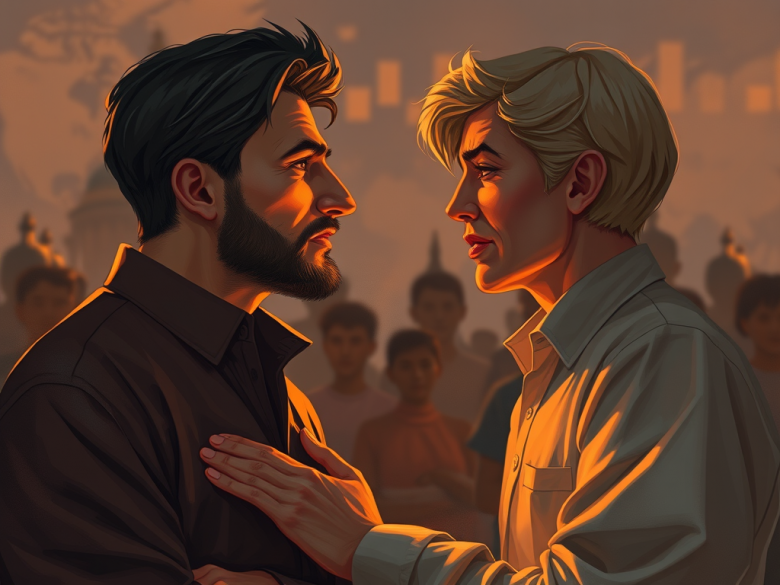
A reflection on Romantic idealism, modern technocracy, and the enduring belief that systems which cause harm can somehow repair themselves. From Shelley and Keats to contemporary cybernetic faith, this essay traces a continuous thread: the hope that optimisation can replace moral reckoning — and why that hope repeatedly fails.

A reflection on war, monumentality, and the Western obsession with defeating death. From Babylon and Assyria to modern medicine and ideology, the drive to preserve life quantitatively has often displaced a deeper celebration of life itself.
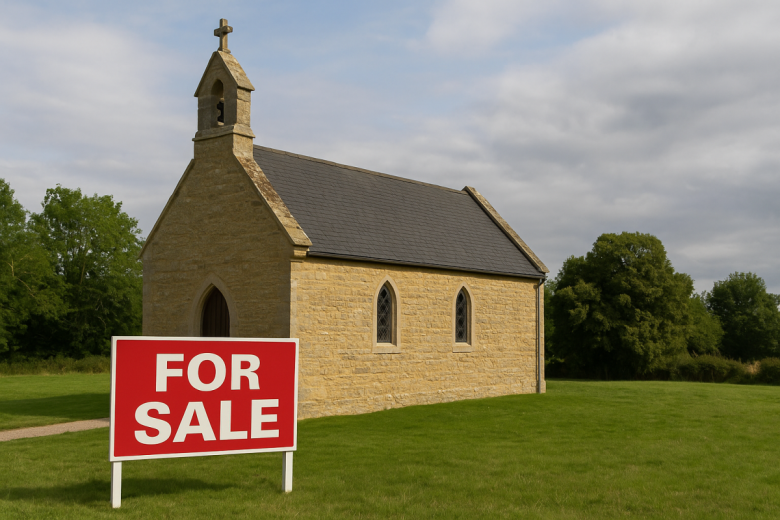
Western society has not moved beyond Christian morality so much as absorbed it. Belief has thinned, institutions have weakened, yet moral urgency remains — often sharpened rather than softened. This essay explores how Christendom gave way not to moral neutrality, but to a secular moralism that retains Christian habits of judgement without its metaphysical grounding or its ethic of grace.
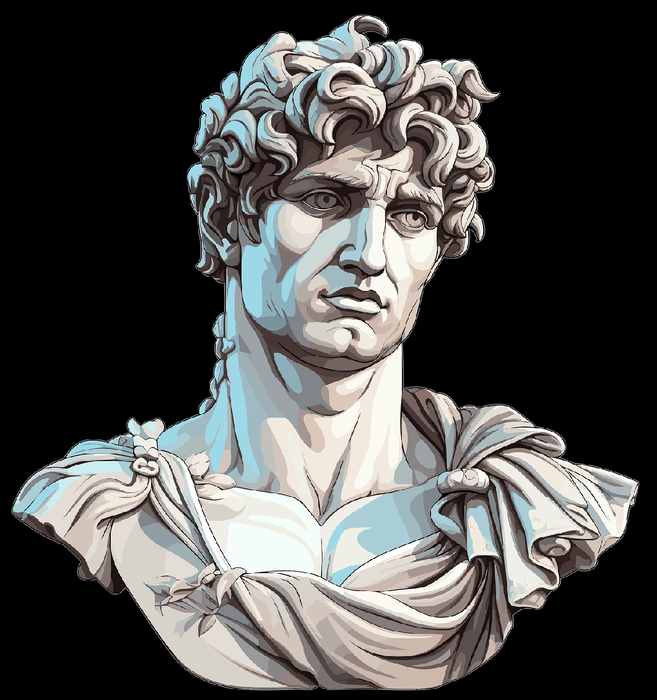
Europe tells itself that Rome fell in 476 CE, but the structures of the empire never disappeared. They migrated into the Church, into medieval kingship, into the nation-state, and finally into the European Union. Law, hierarchy, bureaucracy, and moral order — the governing mind of Rome — still shape the continent. Europe is not post-Roman; it is Rome in modern dress.

Christianity reshaped Europe not by replacing Rome’s legions but by moving moral discipline inward. When the Western Empire collapsed, the Church stepped into the vacuum with a new kind of authority — one rooted in conscience, guilt, and self-surveillance. The West has lived inside this psychological framework ever since, from medieval confession to modern moral panics.
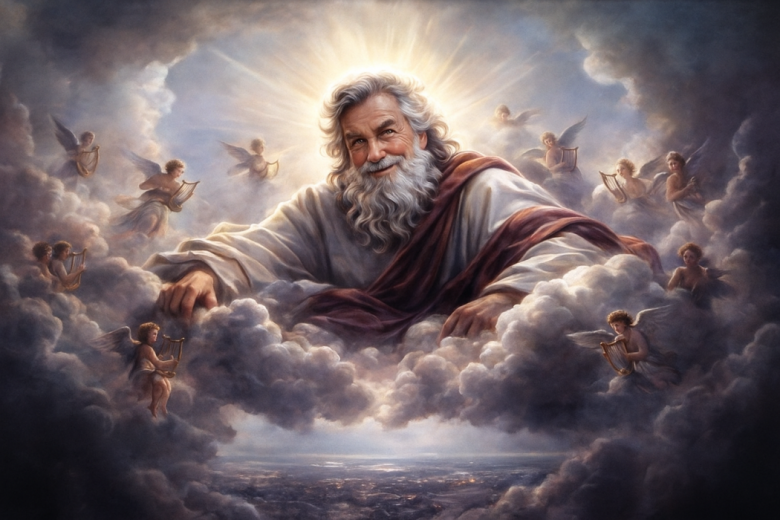
A critical yet sympathetic exploration of the Bible as a multi-voiced historical library, from Covenant and exile to Jesus and Paul, Constantine, and modern secular collapse — concluding that Scripture still offers profound value when read metaphorically as a mirror of the human psyche rather than a literal divine manual.
When Simon Webb recently quoted Pearse’s lines — “Tara is grass, and behold how Troy lieth low…” — he did so to mourn what he sees as the slow decay of Western culture. In that sense, Pearse’s poem has proved truly prophetic, for its vision reaches far beyond Ireland: it speaks to the mortality of all empires and the melancholy knowledge that no civilisation, however noble, endures forever. Yet where Webb sees decline, Pearse discerned renewal — the passing of one order making way for another. His “fool” is not the cynic who despairs, but the dreamer who dares to hope that through loss something sacred may still be born.
Roger Waters’ The Wall is more than a rock album — it is the requiem of a civilisation that rebuilt its cities and lost its soul. This essay traces the work’s roots in post-war disillusionment, its existential honesty, and its moral warning to the modern West. Blending personal memory with cultural analysis, it reflects on the hollow triumphs of the 1960s and the enduring need for inner renewal beyond the walls we build around ourselves.
For two millennia, Christianity offered Western civilisation a moral framework that gave meaning to suffering—but also served to stabilise power. From Constantine to empire, sacred symbols were used to sanctify authority, even as reformers tried to reclaim the gospel’s moral core. The ruins of Santa María en Cameros, where a priest once ruled from his hilltop church, stand as a parable of conscience outlasting control. To awaken from the dream is not to reject faith, but to see through it—to recover compassion, justice, and inner truth without the myths that once bound them to power.
From kings and judges to prophets and people, the Bible records a changing pattern of authority. Later writings speak of an inward covenant, expressed in George Herbert’s poetry and Vaughan Williams’ music: “My God and King.”