Paul is often read as a theologian of sin, salvation, and cosmic order. Read instead as a moral psychologist and community ethicist, a different Paul emerges: perceptive about fear, ego, judgement, and love. This essay argues that his most enduring insights lie not in cosmology, but in his understanding of how fragile human communities survive — or fail.

One of the hardest things we ever have to do is to see things as they really are. Instead, we are often tempted to seek control rather than truth or understanding. Paul’s words identify the problem and point to how we can live with it: our understanding is always incomplete, and only unconditional love allows …
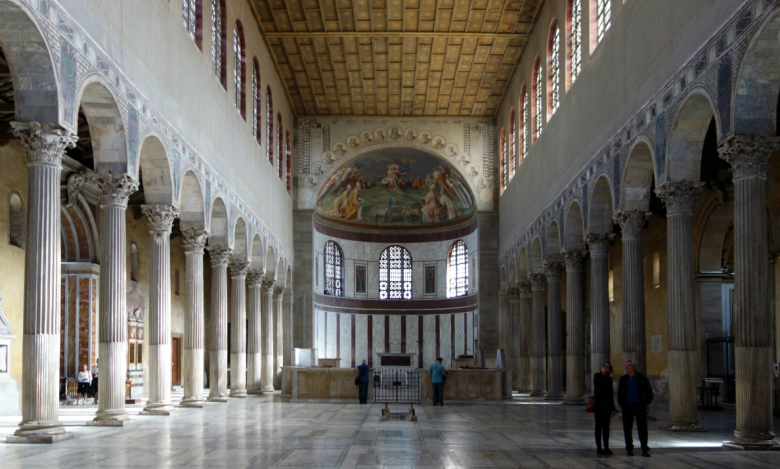
Christianity did not survive because it was inevitable or uniquely true, but because it learned how to endure within power. Competing early Christianities fell away not through error alone, but through political unusability. What survived was an orthodox faith shaped by Roman structures — disciplined, hierarchical, and adaptable enough to stabilise a civilisation after the fall of Jerusalem.
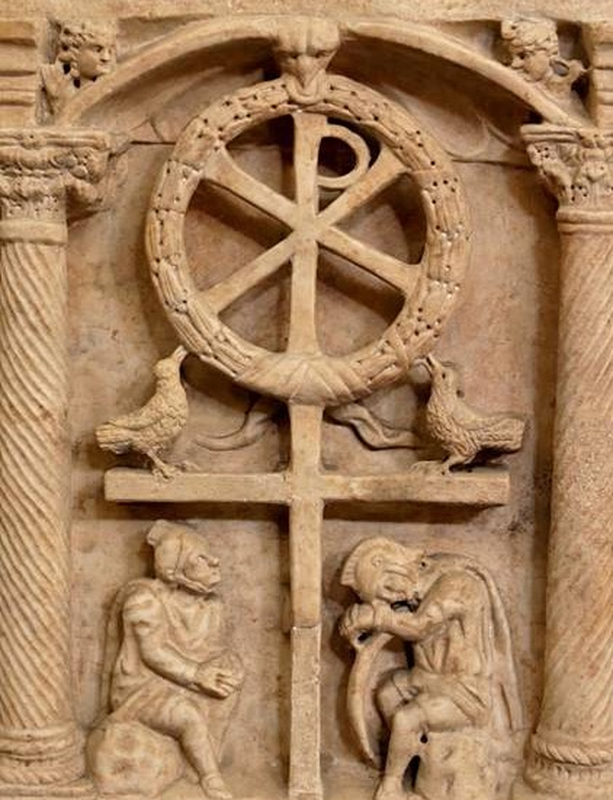
Christianity did not triumph because it was truer than Judaism, but because it was structured to expand. Shaped by the Roman world, it crossed borders, absorbed outsiders, and built institutions that could scale. Judaism endured through continuity, identity, and boundary-keeping — strengths that preserved it as a people, but limited its spread as a universal movement.
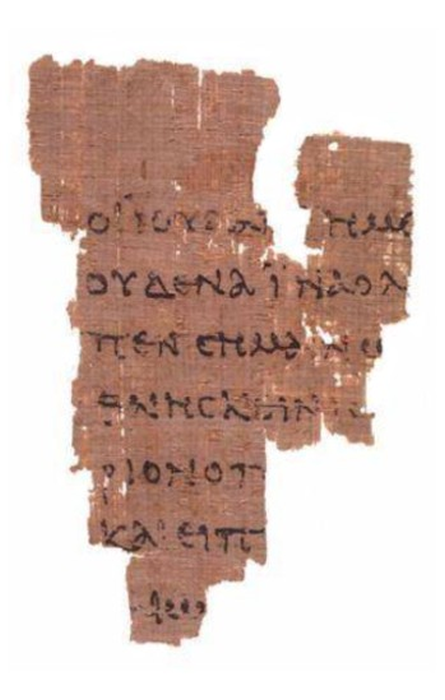
Behind the vast theological edifice of later Christianity lies a very different figure: a Galilean teacher whose sayings in the Synoptic Gospels preserve a startling moral clarity largely absent from the metaphysical Jesus of John and the cosmic Christ of Paul. Recovering the historical Jesus requires peeling away these later layers and listening again for the radical ethical voice that once challenged his hearers to transform the inner life rather than speculate on the nature of the universe.
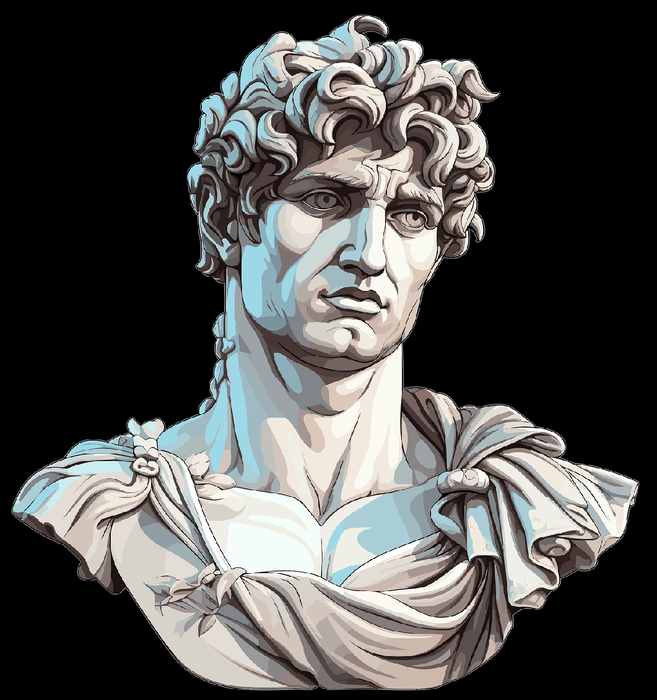
Europe tells itself that Rome fell in 476 CE, but the structures of the empire never disappeared. They migrated into the Church, into medieval kingship, into the nation-state, and finally into the European Union. Law, hierarchy, bureaucracy, and moral order — the governing mind of Rome — still shape the continent. Europe is not post-Roman; it is Rome in modern dress.

Christianity reshaped Europe not by replacing Rome’s legions but by moving moral discipline inward. When the Western Empire collapsed, the Church stepped into the vacuum with a new kind of authority — one rooted in conscience, guilt, and self-surveillance. The West has lived inside this psychological framework ever since, from medieval confession to modern moral panics.
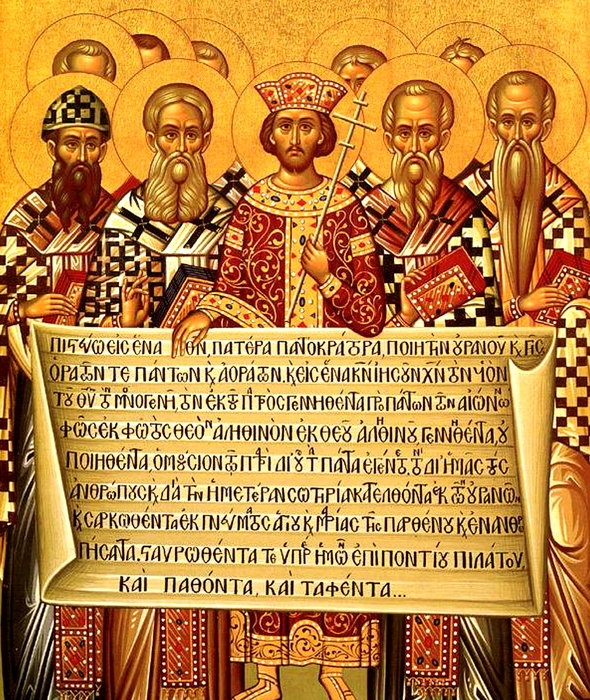
Christianity began as fluid storytelling, not as a system of rules. Yet within four centuries, oral traditions hardened into authoritative texts used to define doctrine, regulate behaviour, and support imperial power. This essay traces how the Gospels moved from living memories of Jesus to instruments of governance, shaping the Church and the civilisation built around it.

The Christianity that entered the Roman Empire was not the disruptive message Jesus taught in Galilee, but a reshaped faith the empire could use. The raw Synoptic ethic — reversal of status, rejection of hierarchy, inner transformation over obedience — was incompatible with imperial power. What survived was what could be adapted: creeds, offices, authority, and a cosmic Christ who stabilised the social order. Yet beneath these layers, the original voice still whispers through the Gospels, offering a vision of freedom no empire has ever been able to absorb.

Most diets fail because they start from an imagined ideal rather than from the reality of our daily habits. The body reacts to sudden restriction with hunger, fatigue, and a sharpened sense of craving — not because we are weak, but because it is designed to defend its current weight. Sustainable change begins with gentle, intuitive reductions in quantity, an honest acceptance of where we are, and a clear awareness of the psychological and commercial forces that push us to overeat. By working with the body rather than against it, we build the kind of slow, steady change that lasts.