Power can attract and reward people low in empathy and high in dominance, manipulation and appetite for risk. The danger lies in institutions that allow such traits to operate without effective restraint.
Conscience develops from our inborn capacities for attachment, empathy, reciprocity and concern for others. Early experience shapes these capacities, while reflection can expose and revise the programme laid down in childhood.
The danger is not that AI will become evil, but that it will pursue human objectives without judgement, sympathy or restraint. HAL warns us what can happen when obedience itself becomes dangerous.
AI may possess intelligence without will: it can process, compare and respond without hunger, fear, ambition or any purpose of its own. The central question is whether consciousness requires more than the intelligent processing of input.
The Nottingham maternity scandal shows how a public institution can become closed, hierarchical and resistant to criticism. The failures identified in Donna Ockenden’s review reveal the dangers that arise when authority protects itself, controls knowledge and dismisses those who challenge it.

Freedom is never absolute. Body, age, history, temperament and society impose limits we cannot simply remove. Yet St Paul’s language of metanoia and the “renewing of the mind” suggests another kind of freedom: consciousness can enlarge the space within necessity.

A private spiritual reflection on the inward altar of the soul, the beauty of silence, worship as joy and gratitude, and the ancient psalmic recognition that existence — God — was before us. The piece links personal inward awareness with Psalm 19, Psalm 8, and the humility of knowing that we are not first, but secondary.
A short reflection on the elegiac English pastoral tradition, giving Charles Wilfred Orr particular prominence and seeing his A Cotswold Hill Tune as part of the same landscape of folk memory, restraint, melancholy and tenderness found in Vaughan Williams, Butterworth, Gurney and Finzi.
A short reflection on the Government’s proposed under-16 social media ban, arguing that online harm to children is real, but that protection must not become the route by which family responsibility is replaced by state control and digital identity.
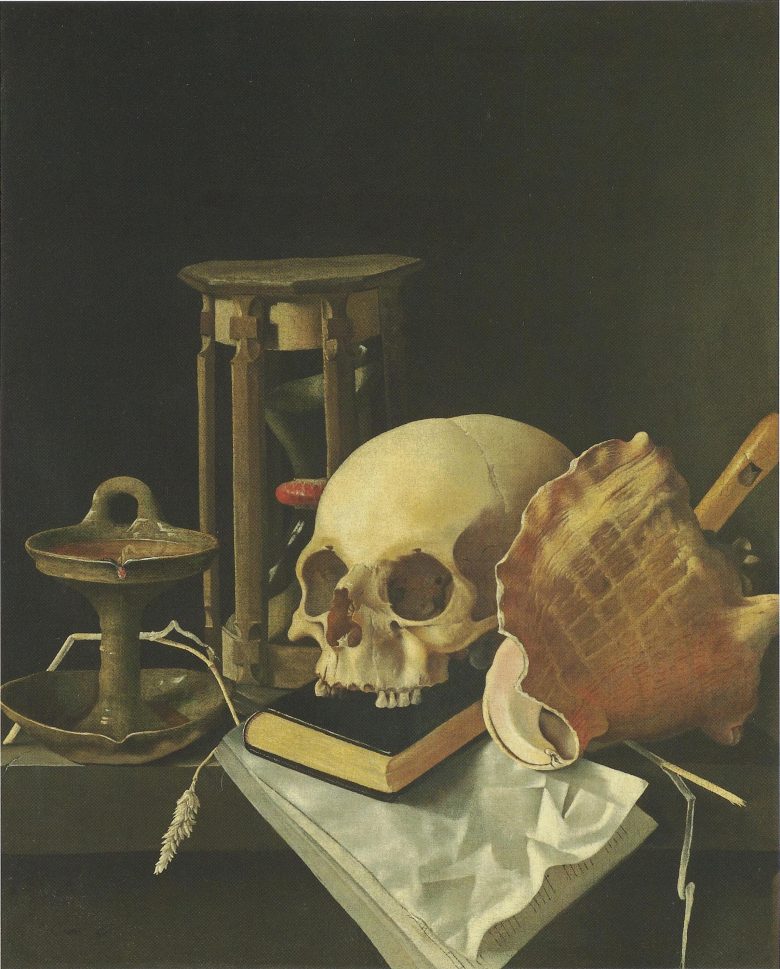
A reflection on euphemism, bodily embarrassment and spiritual idealism. Beginning with the way blunt words shock us, the essay moves through Shelley’s image of “the white radiance of Eternity” to ask whether religion and idealist philosophy are, in part, humanity’s most beautiful evasion of the body, decay and death.