Jean-Paul Sartre’s most famous dictum — existence precedes essence — was meant as a liberation. Human beings, he argued, are not born with a fixed nature or divine blueprint; they become what they are through action and choice. In this, Sartre was surely right. No pre-written essence guarantees meaning or redemption. Yet Sartre stopped one …
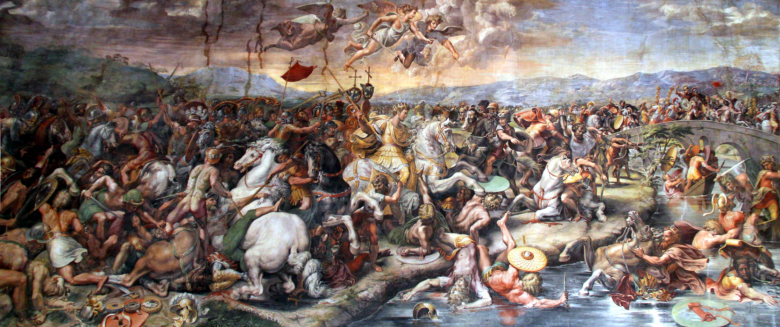
A single political decision in the fourth century reshaped the entire moral imagination of the West. Constantine did not adopt Christianity because it was true, but because it was useful — a ready-made network of obedience, discipline, and social cohesion. What followed was not the fall of Rome but its transformation into a moral empire governed by conscience instead of armies. This article traces how that fusion of power and faith still shapes modern Europe, from institutional authority to the rise of today’s moral culture.
A critical yet sympathetic exploration of the Bible as a multi-voiced historical library, from Covenant and exile to Jesus and Paul, Constantine, and modern secular collapse — concluding that Scripture still offers profound value when read metaphorically as a mirror of the human psyche rather than a literal divine manual.

Anger is not a moral failure but a diagnostic signal — an instinct that something has gone wrong. What matters is how we interpret it. Jesus’ cleansing of the Temple shows the mature pattern: anger as awareness, wisdom as response. True discipline, in life and the classroom, restores order without harm.
Here is Psalmus 97 (Vulgate) – Cantate Domino canticum novum in Study Format, following Psalms 90–96 exactly. By GRAHAM JOHN on Monday, December 1, 2025(= Psalm 98 in Hebrew numbering) Cantate Domino canticum novum A psalm of victory, renewal, and the unveiling of divine justice. No truncation required. Versus 1 Cantate Domino canticum novum, quia …

This article traces how the resurrection tradition evolved from Paul’s visionary experiences into the richly embellished narratives of the Gospels and Acts—and how this shift transformed Christianity from Jesus’ present-centred ethic into a religion of afterlife, obedience, and institutional power. By examining how “Christ” and resurrection became Christianity’s twin stars, it shows how orthodoxy displaced the simple, existential message of Jesus with a metaphysical system built around death, reward, and control.
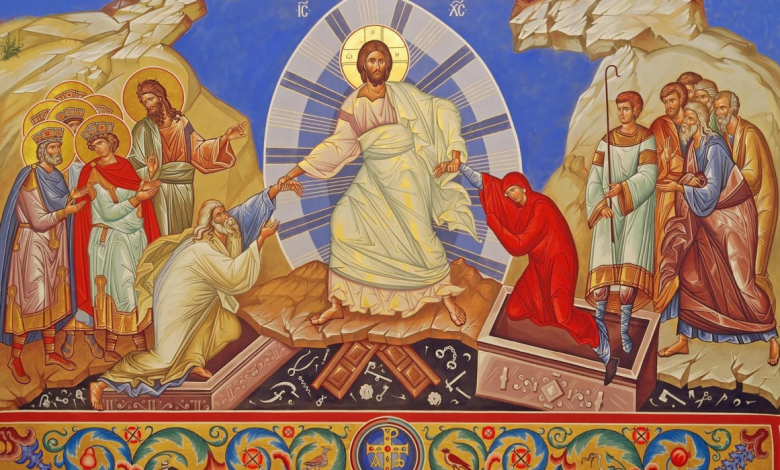
A fresh reading of Paul reveals a profound shift: the apostle transforms the concrete, moral Jesus of the Synoptic Gospels into a cosmic and interior reality. By blending word-frequency analysis with the meanings of Christos and Paul’s near-Gnostic metaphysics, this essay explores how the “Jesus event” became reinterpreted as a universal, communal mystery — far beyond its original first-century context.
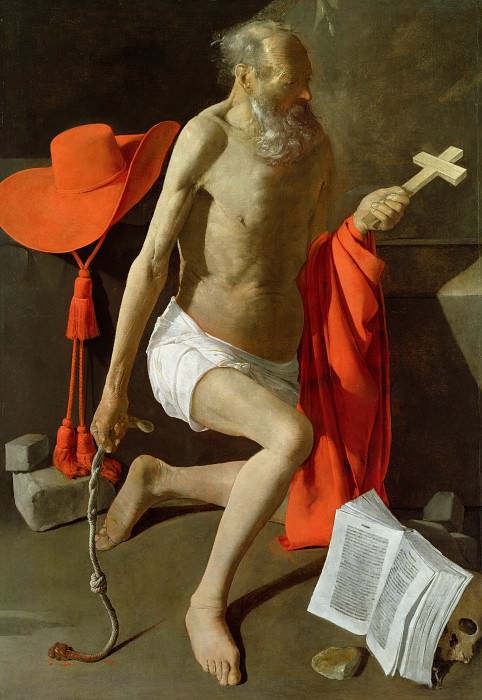
A striking contrast between Jesus’ call to metanoia in the Synoptic Gospels and the guilt-driven “belief” of modern evangelicalism. This essay exposes how psychological guilt, revivalist hysteria, and practices like conversion therapy distort the message of Jesus, and explores metanoia as freedom, dignity, and inner healing.
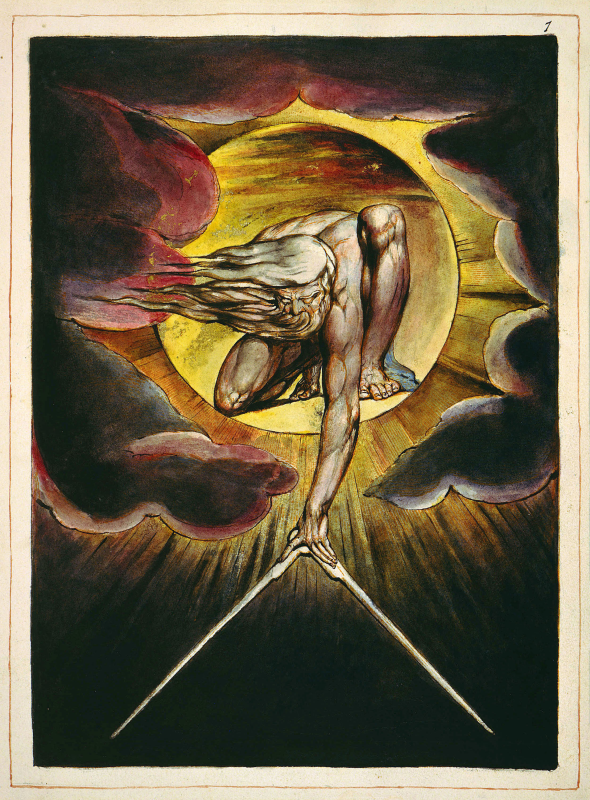
The Psalms are not records of divine weather but maps of the inner life. They describe the movement from turmoil to alignment, from fear to clarity, from fragmentation to the rediscovery of the unchanging centre of our being. Read inwardly, the Psalms become the earliest psychological texts of the Western world — a guide to the resonance between consciousness, creation, and the inner God who steadies us when we have nothing left to give.

Before Christianity ever spoke of rebirth or salvation, immersion in water was already a deeply ancient custom. In Judaism and the Dead Sea communities, washing the body signified readiness, reverence, and a return to moral clarity. John the Baptist stood firmly within this tradition. His baptism was not a novel invention but a decisive, symbolic immersion that echoed centuries of Jewish purification practice and prepared the people for the new movement that would follow.