Political renewal begins with metanoia: a change in what individuals desire, value and understand by prosperity. A just nation should express that inner transformation through responsible care for food, land, energy, transport, waste and the common home.
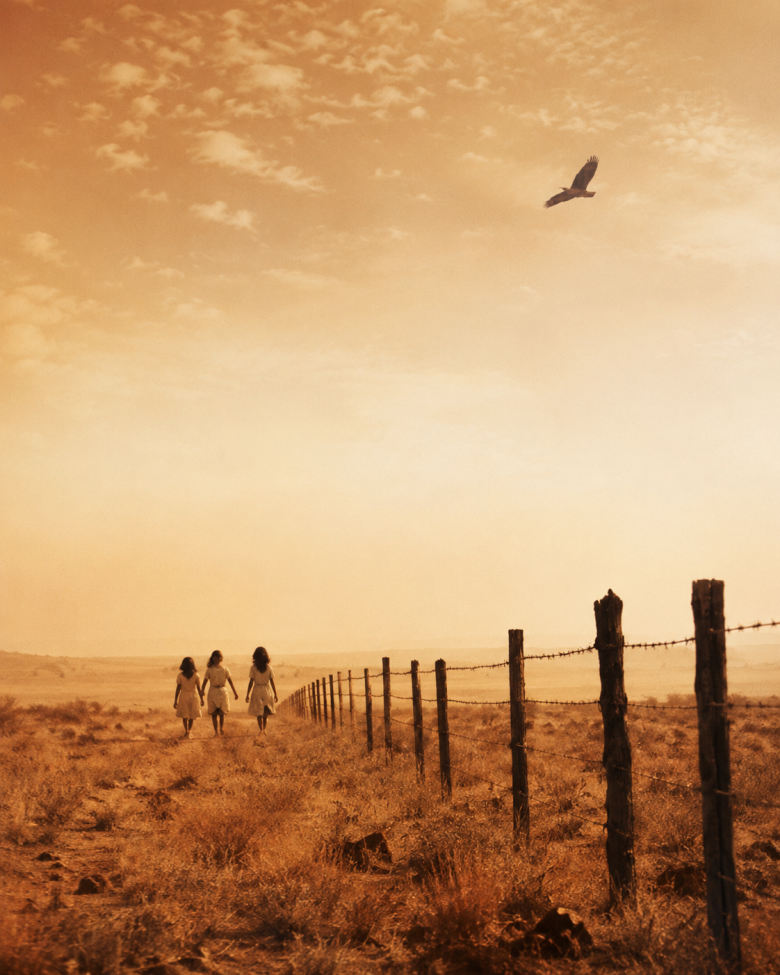
The exhibition became more than an encounter with Aboriginal art. It prompted a reflection on land, possession, mortality and the brief intensity of human existence beneath forces we neither own nor command. Sol Invictus—the unconquered sun—became the image of that vast order: indifferent to fences, empires and claims of permanence, yet illuminating the fleeting instant in which life acquires meaning.
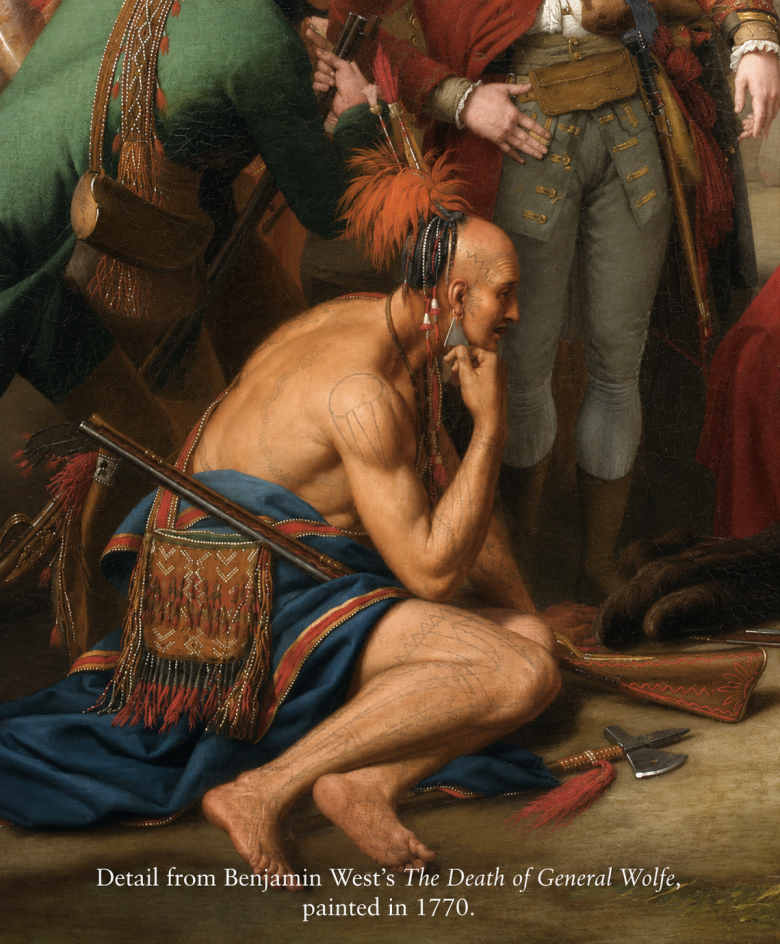
For the French Romantics, the American Indian represented more than an exotic other. He became a symbolic figure through whom Europe reflected on its own condition: freedom and estrangement, nature and civilisation, innocence and loss. In writers such as Rousseau and Chateaubriand, Indigenous America appeared as a world less divided, less artificial and closer to nature, even if that vision often told us as much about European longing as about Native American reality.
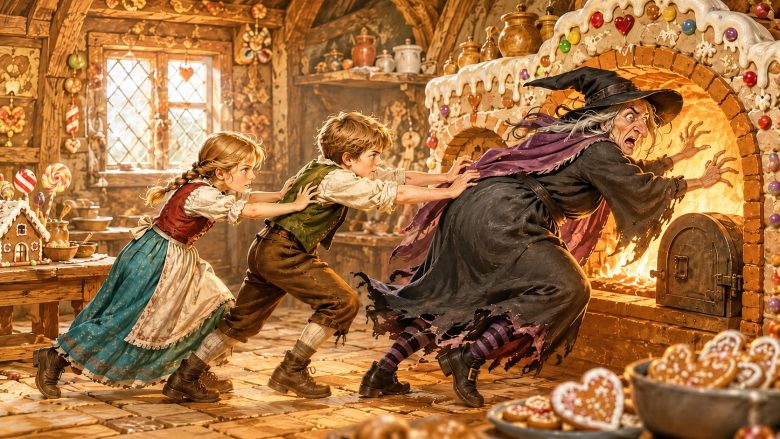
A society rests upon shared stories, moral expectations and inherited institutions. The task is to distinguish the life-giving elements of its foundational narratives from the historical constructs that have gathered around them.
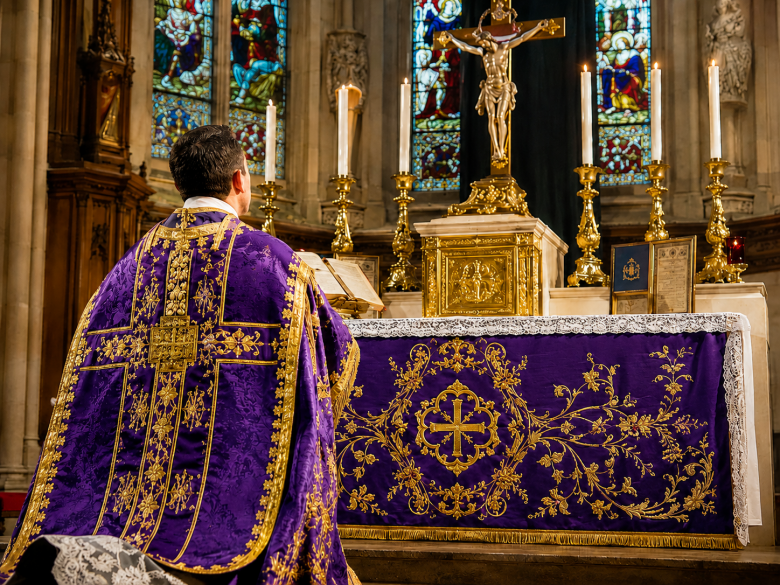
Erich von Däniken’s interpretation of Fátima is speculative, but he is careful to present it as a question rather than a certainty. The Vatican’s published version of the Third Secret raises a wider issue: institutions tend to preserve the narratives upon which their authority depends.
Cupitt took leave of an external God while continuing to search for a viable religion. I waded through a sea of doubt until I reached a different shore: God exists inwardly, as a personal reality formed through consciousness, experience and the human disposition towards goodness.
Reason can expose prejudice, but it can also be recruited to defend it. Philosophy tests inherited assumptions; poetry enlarges sympathy by restoring the individual behind the label.
Religions arose from genuine human experiences, but their interpretations hardened into objective truths. Reification turns symbols into dogma and inherited belief into a prejudiced way of seeing the world.
Power can attract and reward people low in empathy and high in dominance, manipulation and appetite for risk. The danger lies in institutions that allow such traits to operate without effective restraint.
Conscience develops from our inborn capacities for attachment, empathy, reciprocity and concern for others. Early experience shapes these capacities, while reflection can expose and revise the programme laid down in childhood.