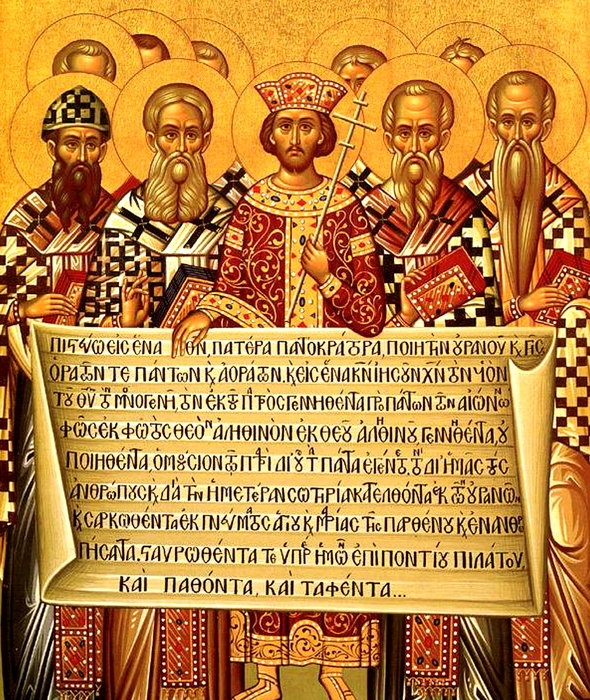
Christianity began as fluid storytelling, not as a system of rules. Yet within four centuries, oral traditions hardened into authoritative texts used to define doctrine, regulate behaviour, and support imperial power. This essay traces how the Gospels moved from living memories of Jesus to instruments of governance, shaping the Church and the civilisation built around it.
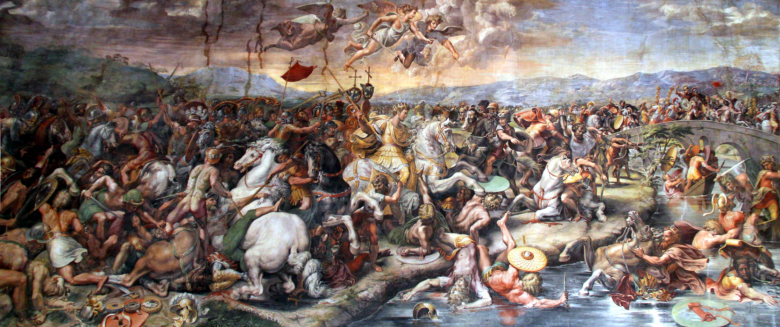
A single political decision in the fourth century reshaped the entire moral imagination of the West. Constantine did not adopt Christianity because it was true, but because it was useful — a ready-made network of obedience, discipline, and social cohesion. What followed was not the fall of Rome but its transformation into a moral empire governed by conscience instead of armies. This article traces how that fusion of power and faith still shapes modern Europe, from institutional authority to the rise of today’s moral culture.
The appointment of Dame Sarah Mullally as Archbishop of Canterbury marks a turning point in the long debate over women’s place in Christianity. Critics see it as political tokenism, but history suggests otherwise: the early church included women apostles, prophets, and leaders whose voices were later silenced by orthodoxy. Recent discoveries — from catacomb frescoes in Rome to the Nag Hammadi texts in Egypt — remind us that female spiritual authority is not a modern invention but part of Christianity’s forgotten past. The real question is whether the Church today can recover this truth without collapsing into cultural fashion, and whether hope for renewal may yet come from the margins rather than the centre.