
A reflection on the psychological genius of the Gospel writers — not as supernatural scribes, but as master interpreters of Jewish symbolism and human interior life. This essay explores how living insight hardened into doctrine, how resurrection reshaped Christianity’s centre of gravity, and why the Gospels still endure as a call to inward transformation rather than metaphysical certainty.
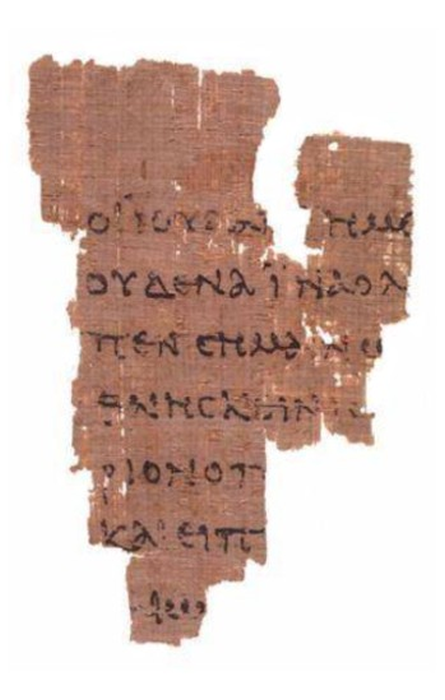
Behind the vast theological edifice of later Christianity lies a very different figure: a Galilean teacher whose sayings in the Synoptic Gospels preserve a startling moral clarity largely absent from the metaphysical Jesus of John and the cosmic Christ of Paul. Recovering the historical Jesus requires peeling away these later layers and listening again for the radical ethical voice that once challenged his hearers to transform the inner life rather than speculate on the nature of the universe.

Many familiar Gospel words—“Hosanna,” “Christ,” “Kingdom,” “cross”—carry meanings shaped less by history than by centuries of translation and tradition. This essay shows how linguistic drift and theological overlay can distort our view of Jesus and how AI can help uncover the original force of the biblical text.
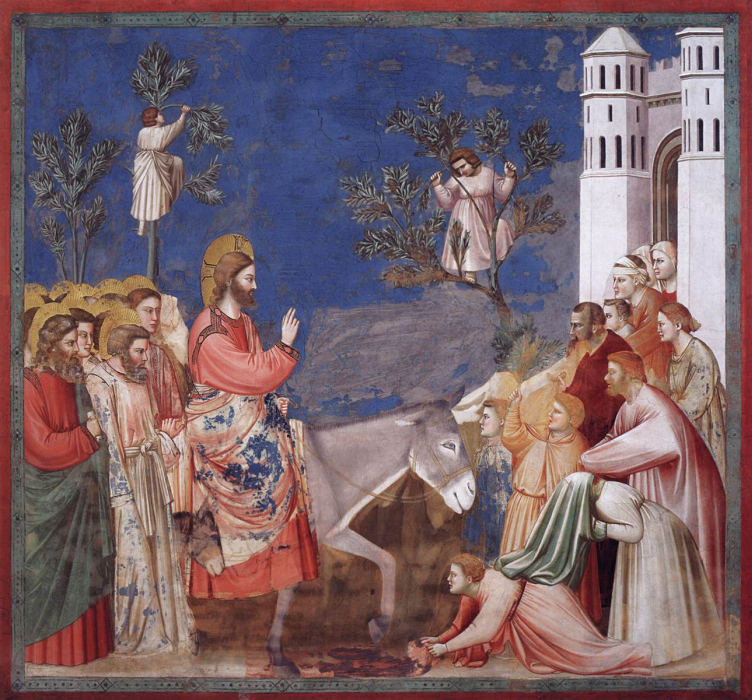
Jesus’ entry into Jerusalem on a donkey was not a triumph but a misfired symbol—an ironic gesture the crowds misunderstood and ultimately rejected. Beneath the Gospels’ later sanitising lies a teacher who defied the messianic expectations imposed on him, and whose authentic voice survives most clearly in his startling, poetic moral teaching.

The census under Caesar Augustus formed the political backdrop to Jesus’ birth, revealing a world shaped by imperial power, taxation, and the struggle for identity under Rome. This essay explores how empire, religion, and human hope intersected in first-century Judea — and why the story still speaks to our own age of control and uncertainty.

This article traces how the resurrection tradition evolved from Paul’s visionary experiences into the richly embellished narratives of the Gospels and Acts—and how this shift transformed Christianity from Jesus’ present-centred ethic into a religion of afterlife, obedience, and institutional power. By examining how “Christ” and resurrection became Christianity’s twin stars, it shows how orthodoxy displaced the simple, existential message of Jesus with a metaphysical system built around death, reward, and control.

From Roland at Roncevaux to Arthur of Camelot and Jesus of Galilee, history repeatedly grows into heroic myth. Small facts expand into symbols, and real lives acquire legendary afterlives. This aside explores how the process unfolds — and why some figures become cosmic.
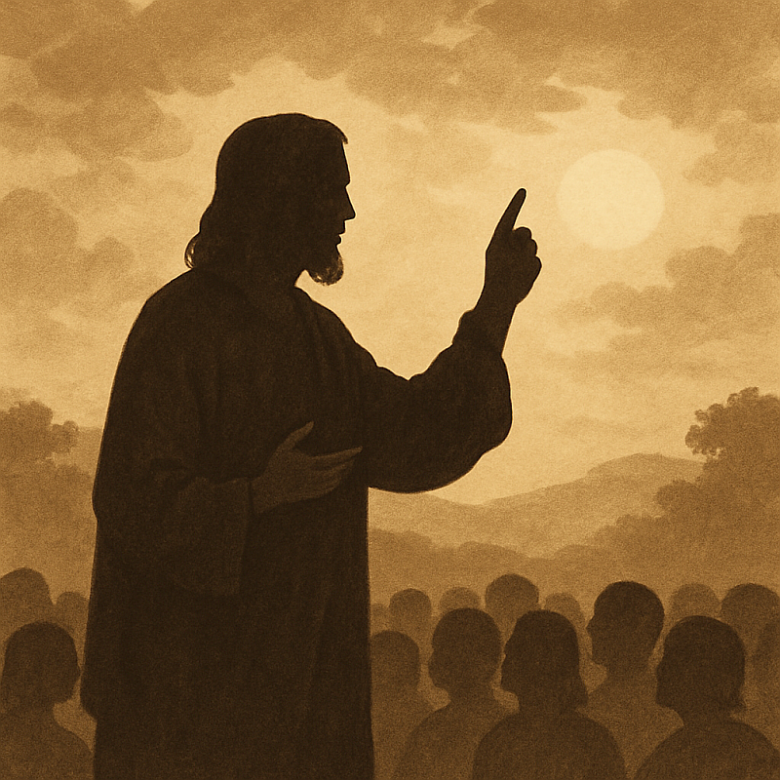
Jesus feels modern not because of theology, but because of his fearless moral clarity. Once we strip away the metaphysical layers, the radical teacher of the Synoptics emerges: a compassionate social philosopher who confronted wealth, hierarchy, exclusion, and fear. This article explores how the historical Jesus differs from the later “metaphysical Christ,” and why his vision still exposes the moral fault-lines of our own age.
The attempt to read the New Testament as history has occupied scholars, believers, and sceptics for centuries. From the moment the printing press placed the Bible into ordinary hands, the question has been asked again and again: What really happened? The search often becomes obsessive, because the stakes are not merely academic. To discard the message of the Bible is to risk being cast into “outer darkness,” as Jesus himself put it. To accept it uncritically is to surrender reason to myth.