
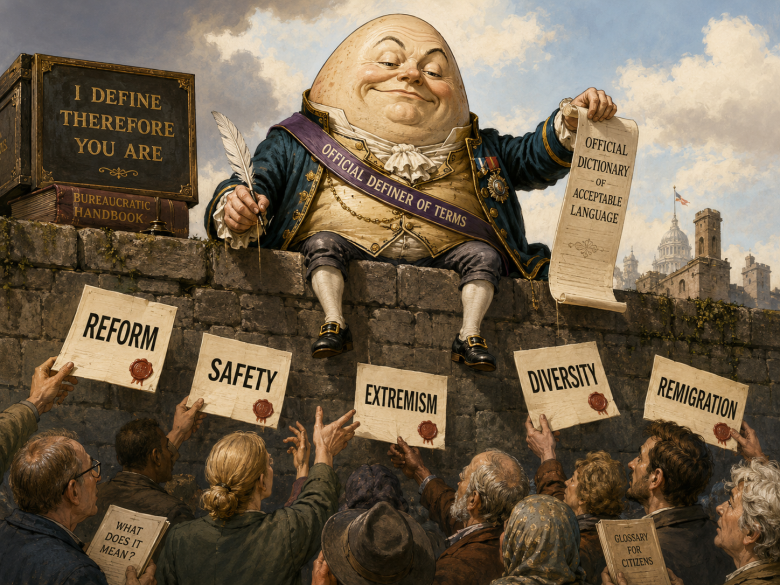
argon once obscured meaning. Today, institutional language often goes further: it defines the permitted interpretation before discussion begins. When words carry an approved moral judgement and an intended conclusion, language ceases to serve inquiry and begins to police thought.
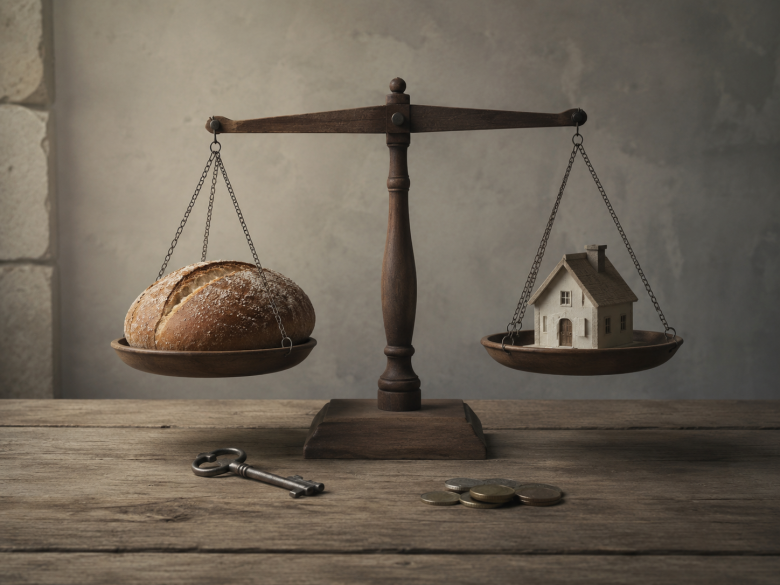
As the supernatural cosmology of Christianity loses its authority, its moral questions remain. This article proposes “moral economics” as a practical framework based on responsibility, reciprocity, stewardship, cost, benefit and consequence.
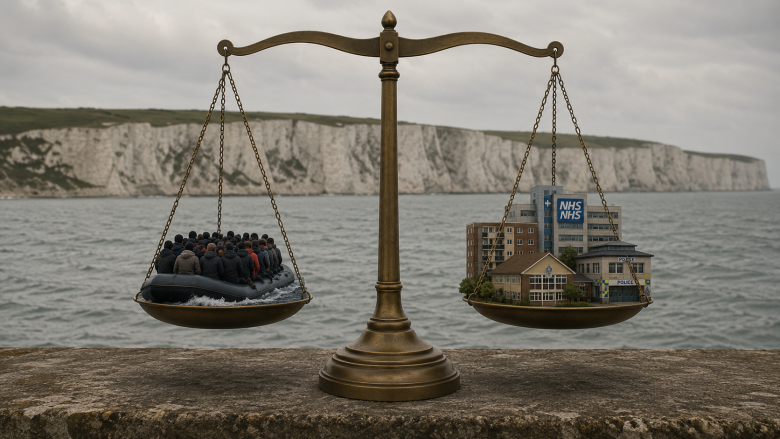
Britain’s immigration debate is often framed in terms of compassion, race and national identity. This article asks a more practical question: how many people can the country house, employ, support and integrate without weakening public services, increasing resentment or exceeding the limits of public consent?

A reassessment of Enoch Powell’s immigration argument in light of his academic distinction, his 1971 Dick Cavett interview, the Race Relations Act 1968, and Britain’s unresolved post-imperial citizenship problem. Powell’s case is examined as a constitutional and demographic argument, not as a simple slogan.
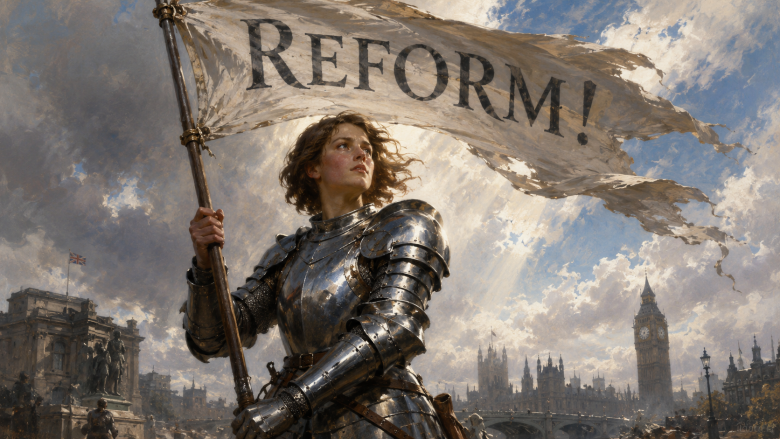
Reform may appear to offer rescue from the failures of Labour and the Conservatives, but no party can escape the hard arithmetic of modern Britain. Debt, ageing populations, public-service strain, defence costs, local decline, and voter impatience will confront whoever takes power. The politics of restoration is powerful when people despair, but history warns that promises of strength and renewal can disappoint — or become dangerous — when reality refuses to obey.

Labour’s local-election defeat was not merely a bad set of results. It exposed a deeper loss of trust: over taxation, pensions, welfare, policing, immigration, digital ID, Gaza, and the everyday condition of Britain’s towns and cities. The phrase “mistakes were made” is no longer enough. Voters want to know who made them, why they were made, and whether the party has understood the scale of its estrangement from the country.
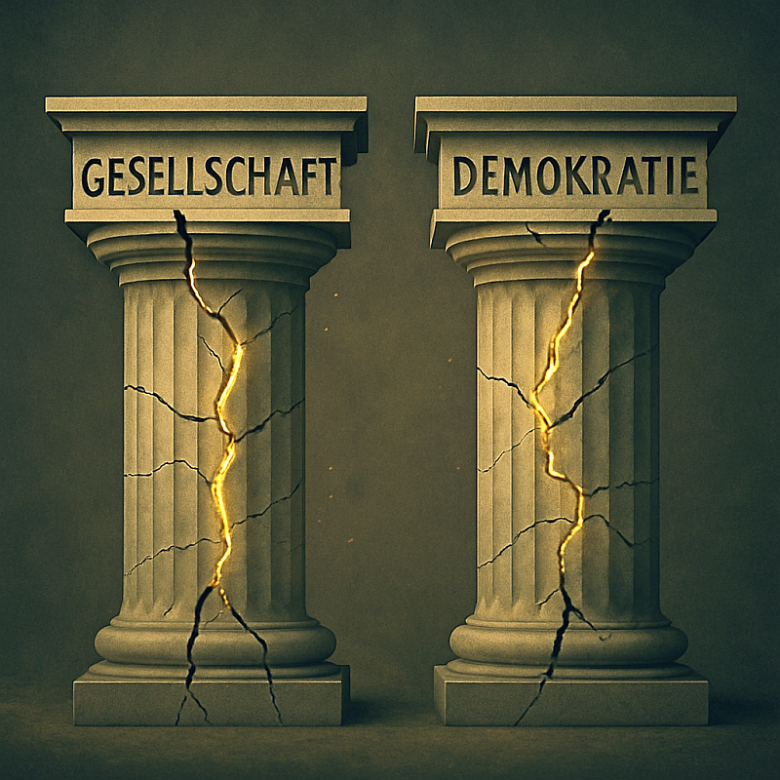
Public debate in Britain and Germany increasingly blames immigration for social and political strain. Yet most pressures—housing shortages, overstretched schools and hospitals, stagnant wages, declining neighbourhoods, and falling trust—began decades before recent migration waves. Immigration is not the cause of systemic weakness; it merely exposes it. This essay traces the deeper forces behind today’s instability: long-term underinvestment, the neoliberal shift since the 1980s, demographic ageing, bureaucratic rigidity, and the erosion of social cohesion. It also examines why parties like the AfD and Reform UK attract support—and why their rise reflects a democratic system struggling to correct itself.
An exploration of the moral and ecological misjudgements that have shaped modern Britain — from misplaced compassion and guilt to the exhaustion of land and wildlife — and a call to recover stewardship and restraint before it is too late.
Revelation’s “mark of the beast” warned of a future where no one could buy or sell without state approval. Orwell imagined the same logic in 1984. Today, proposals for digital ID cards echo both warnings. With National Insurance numbers already in place, the issue is not whether we are numbered, but how far that numbering can be used for control. From the Farage banking scandal to Starmer’s push for digital IDs, Britain faces a choice between efficiency and liberty.