
Prayer is often understood as asking for things, but in the Gospels it appears as something quite different. It is not a means of control, but a moment of release — a stepping back from the self and a return to what is real. In prayer, one lets go, sees more clearly, and, however briefly, is set in the right direction.
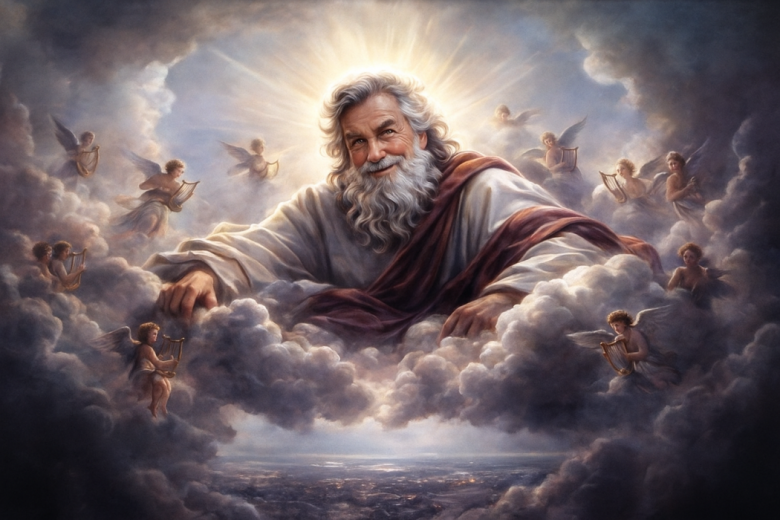
A critical yet sympathetic exploration of the Bible as a multi-voiced historical library, from Covenant and exile to Jesus and Paul, Constantine, and modern secular collapse — concluding that Scripture still offers profound value when read metaphorically as a mirror of the human psyche rather than a literal divine manual.
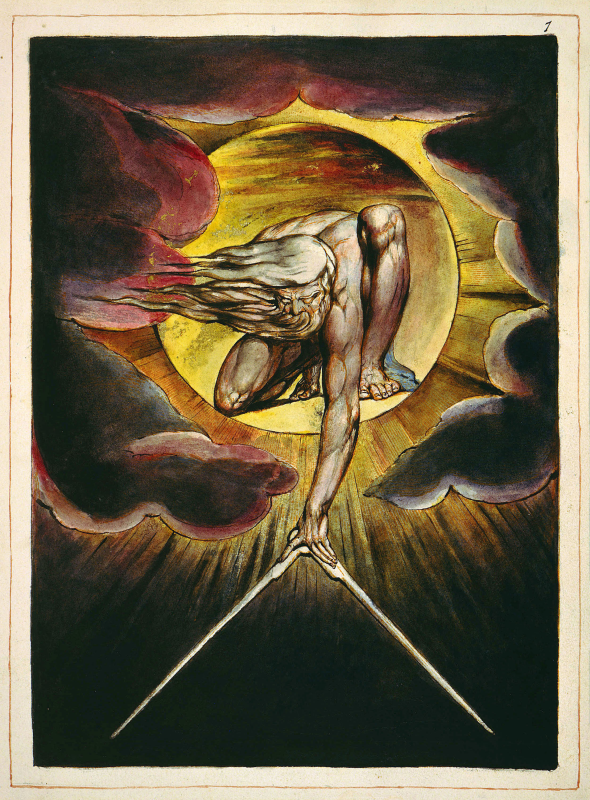
The Psalms are not records of divine weather but maps of the inner life. They describe the movement from turmoil to alignment, from fear to clarity, from fragmentation to the rediscovery of the unchanging centre of our being. Read inwardly, the Psalms become the earliest psychological texts of the Western world — a guide to the resonance between consciousness, creation, and the inner God who steadies us when we have nothing left to give.
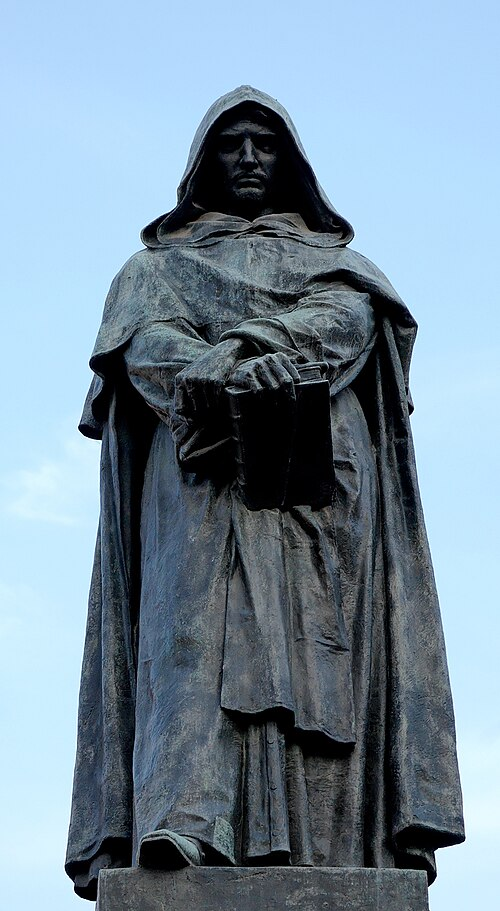
Giordano Bruno saw, more than 500 years ago, that human beings project their inner life onto the cosmos. His “infinite universe” was not astronomy but a vision of the human psyche speaking through myth — a truth that echoes across my own work. In an age that has lost its spiritual depth, Bruno’s voice returns with renewed urgency.
A reflective essay viewing the Bible as an allegory of consciousness — where Abraham, Israel, and Jerusalem represent stages of inner growth, and the ancient covenant reveals itself as a timeless moral psychology of the human soul.
A reflective essay on how early patterns of love and fear shape adult life. From Hemingway and D. H. Lawrence to the words of Jesus, it explores how we learn courage, how dependence becomes maturity, and how the “kingdom of heaven within” points to self-knowledge rather than belief.