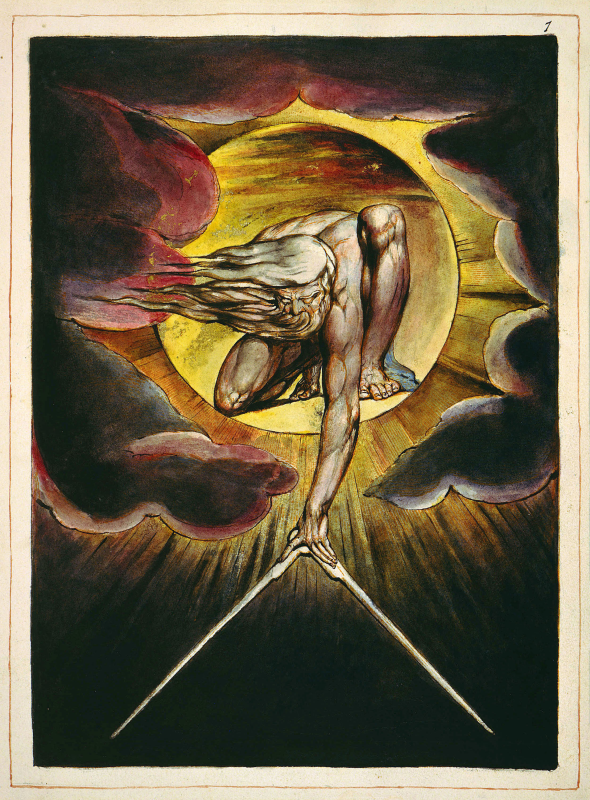
The Psalms are not records of divine weather but maps of the inner life. They describe the movement from turmoil to alignment, from fear to clarity, from fragmentation to the rediscovery of the unchanging centre of our being. Read inwardly, the Psalms become the earliest psychological texts of the Western world — a guide to the resonance between consciousness, creation, and the inner God who steadies us when we have nothing left to give.

Before Christianity ever spoke of rebirth or salvation, immersion in water was already a deeply ancient custom. In Judaism and the Dead Sea communities, washing the body signified readiness, reverence, and a return to moral clarity. John the Baptist stood firmly within this tradition. His baptism was not a novel invention but a decisive, symbolic immersion that echoed centuries of Jewish purification practice and prepared the people for the new movement that would follow.
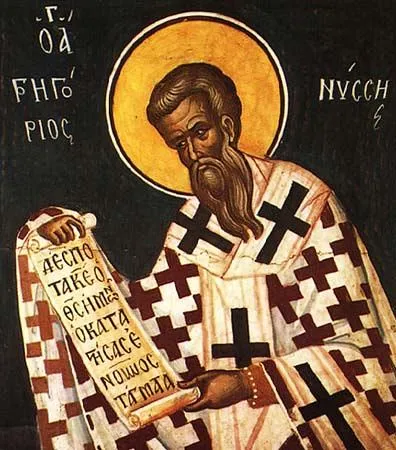
A close reading of the Nicene–Constantinopolitan Creed reveals how little of it reflects the actual teaching of Jesus. Instead, it draws heavily on Paul, John, and fourth-century metaphysics shaped by imperial needs. This article examines why Christianity drifted so far from Jesus’ ethical message and how doctrine replaced the original moral vision of the Gospels.
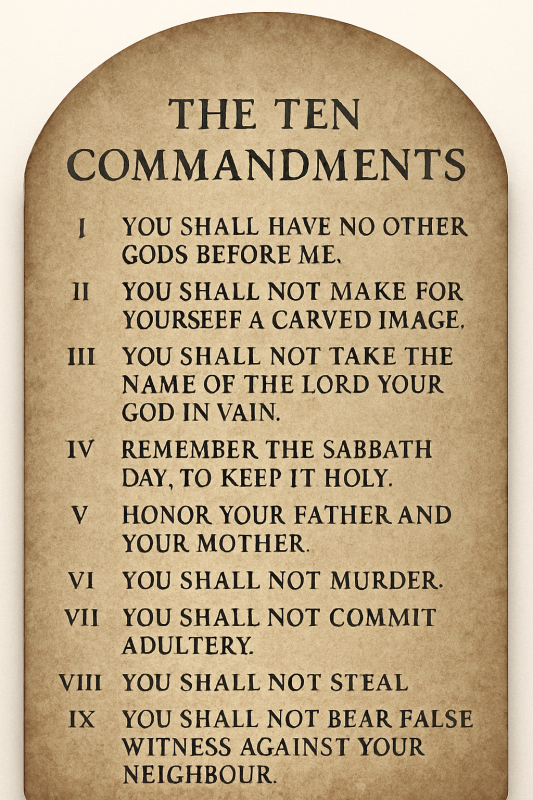
A reflection on how Europe might rediscover a shared moral centre without enforcing religious uniformity. Using Jesus’ ethic as one integrative voice among many, this piece explores innate moral capacities, cultural modelling, and the creative–destructive axis at the heart of human behaviour. Includes scientific notes and two asides on moral development and plural ethics.
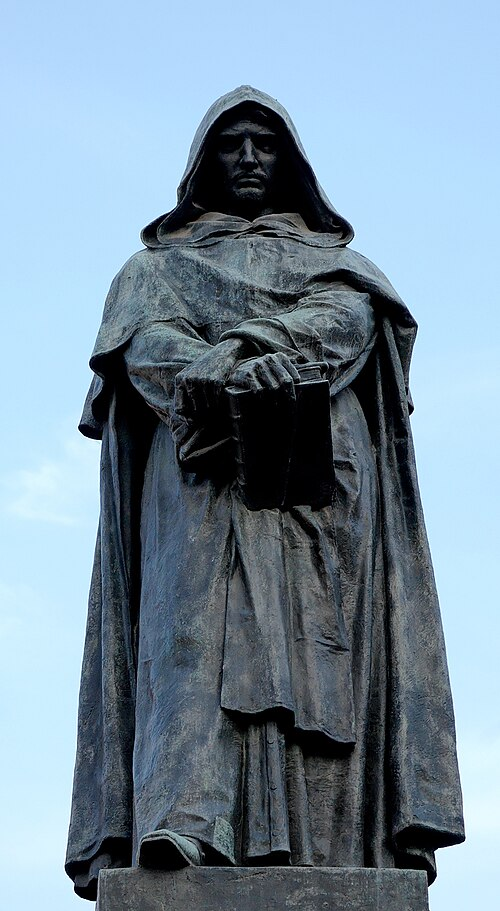
Giordano Bruno saw, more than 500 years ago, that human beings project their inner life onto the cosmos. His “infinite universe” was not astronomy but a vision of the human psyche speaking through myth — a truth that echoes across my own work. In an age that has lost its spiritual depth, Bruno’s voice returns with renewed urgency.
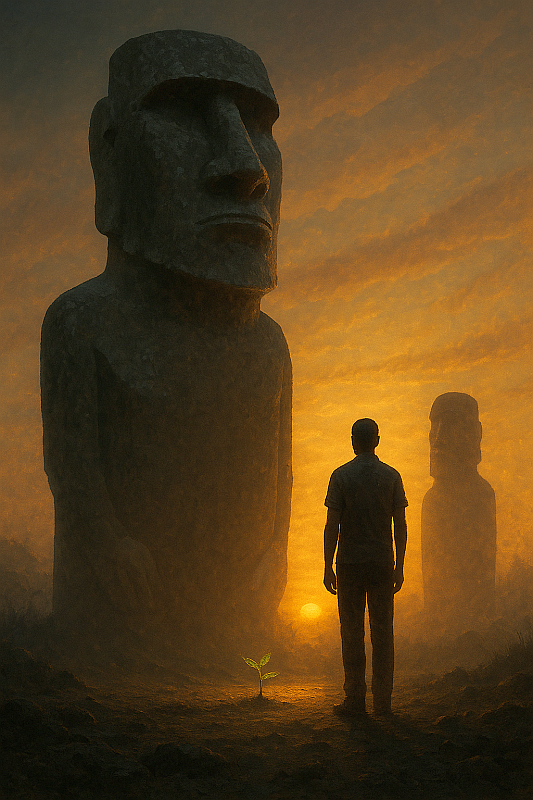
A sweeping reflection on humanity’s struggle to reconcile instinct and intellect, from the ancient gods of Mesopotamia to the teachings of Jesus. This essay argues that true transcendence lies not in power but in inner integration, and that mortality presses us toward completion. Through myth, psychology, memory, and personal experience, it shows that the only moment for wholeness is now.
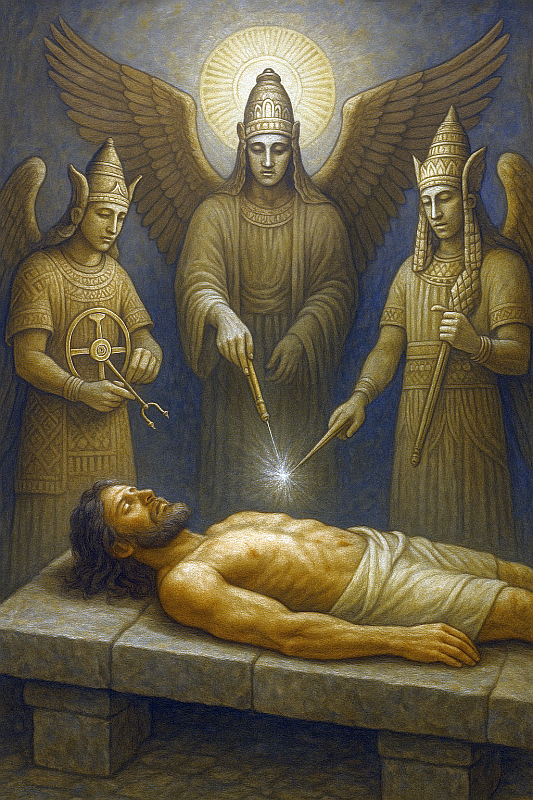
A demythologised reading of Genesis and the Gospels reveals a single thread running through human history: we are conflicted, powerful, unstable creatures trying to understand ourselves. Eden describes why we are dangerous; Jesus offers a path to inner transformation. Later doctrine turned this into metaphysics, but the original insight was psychological. This article explores Adam, Meister Eckhart, the Synoptics, and the Sumerian myths as early attempts to explain the divided human self — and what redemption really meant.

A reflection on the real meaning of enlightenment — not as mystical experience, but as the quiet reconciliation between our deeper vital dynamics and the surface structure of everyday life. The heart, the conscience, and the unconscious guide us long before reason recognises their pattern.

A poem and reflection on nature, solitude, and le fer dans l’âme — the iron in the soul. A meditation on how lives unfold without hierarchy, and how presence allows us to carry our inner weight with dignity.
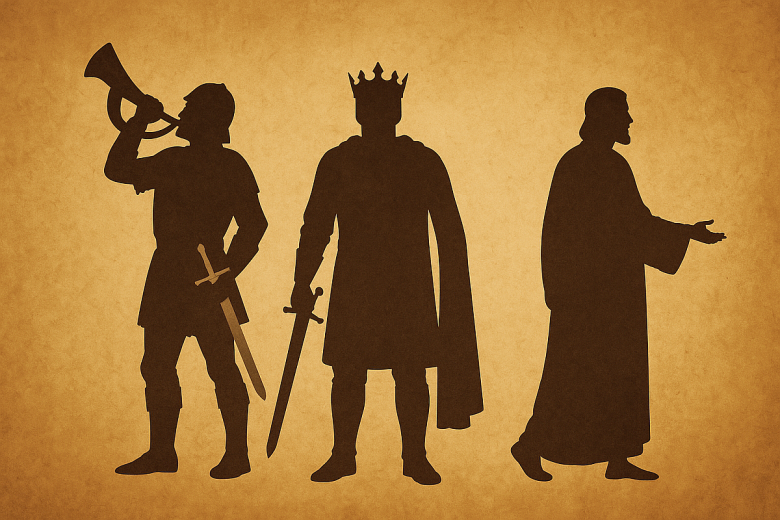
From Roland at Roncevaux to Arthur of Camelot and Jesus of Galilee, history repeatedly grows into heroic myth. Small facts expand into symbols, and real lives acquire legendary afterlives. This aside explores how the process unfolds — and why some figures become cosmic.