
How did a Jewish teacher executed around 30 CE become, within a few centuries, the centre of an elaborate theology defining him as fully divine? This article follows the development from Paul and the Gospels through Marcion, Irenaeus, Arius, Athanasius, Constantine and the great councils of the fourth and fifth centuries.
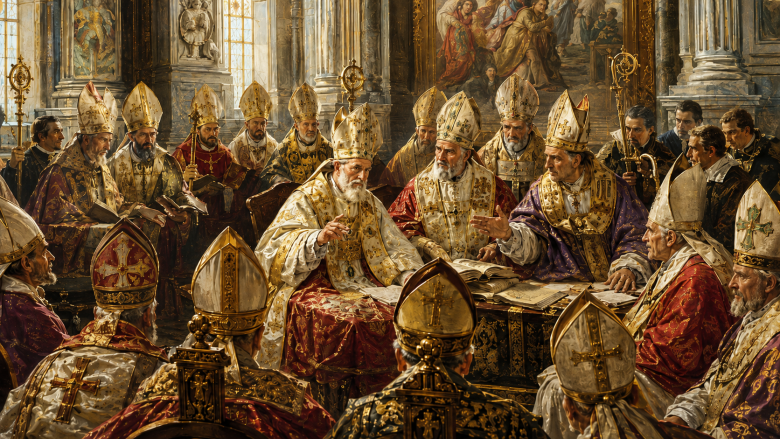
What happens to the memory of a charismatic teacher after his death? From Jesus to Osho, the growth of institutions, rival interpretations and later doctrines may be less surprising than it first appears.

Christianity began as a Jewish messianic movement, not as the fully developed religion later enforced by Rome. This article traces how Jesus, the hoped-for deliverer of Israel, was transformed through resurrection belief, Pauline theology, Greek philosophy and imperial authority into the universal saviour of Christian orthodoxy.
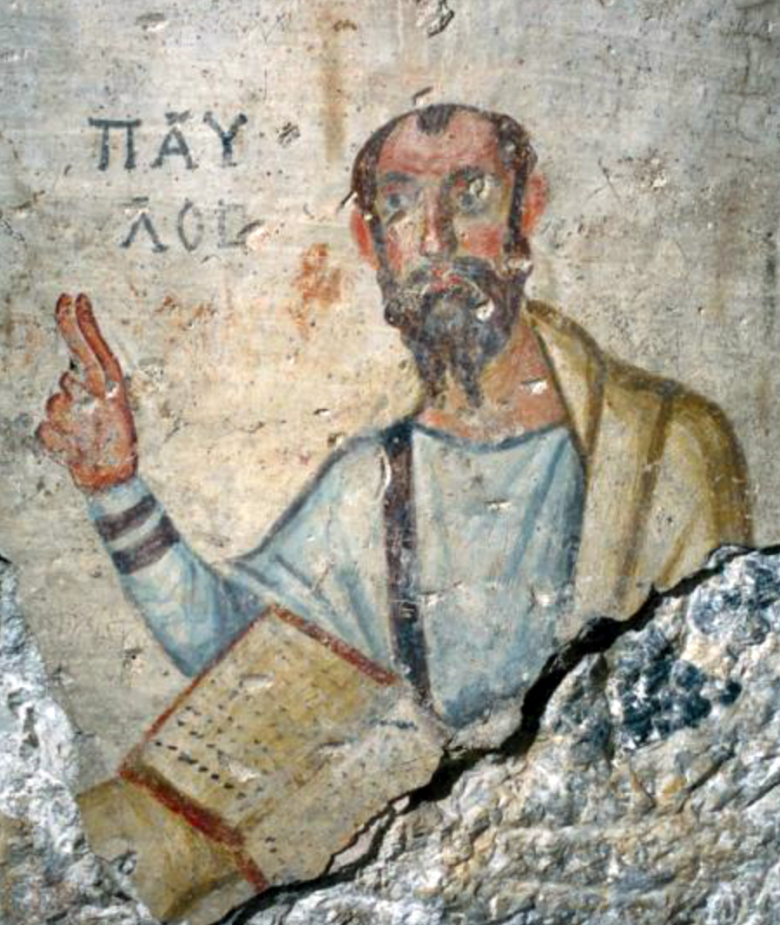
The earliest Christian movement began as a Jewish proclamation that God had raised the crucified Jesus, exalted him as Messiah and Lord, and would soon send him back to complete the kingdom. Over the following centuries, theologians and councils transformed that narrative faith into a detailed metaphysical system defining the Trinity, the nature of Christ and the boundaries of orthodoxy. The resulting Christianity was recognisably descended from the earliest Jesus movement, but it was no longer identical with it.
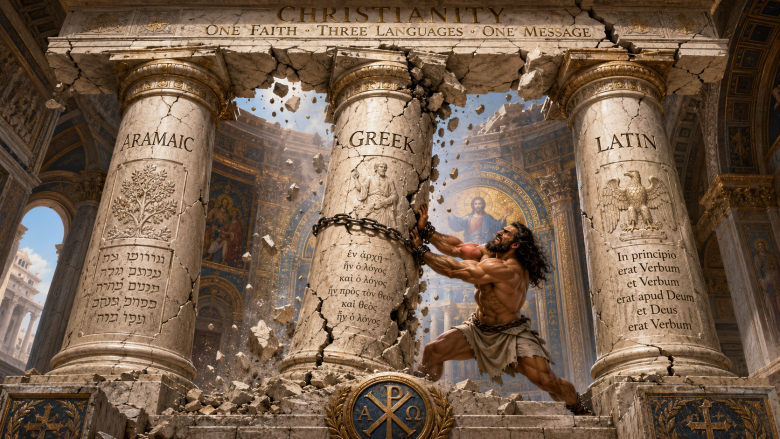
Christianity did not emerge fully formed from the teaching of Jesus. It developed through three linguistic and intellectual worlds: Aramaic preserved its Jewish origins, Greek transformed the remembered teacher into a universal theological figure, and Latin organised the faith through doctrine, law and institutional authority.
Christianity, as history has handed it down, is not identical with its original impulse. What may once have been a small Jewish movement, centred on inner change and moral re-alignment, was gradually overlaid by cosmic theology, mythological symbolism, sacramental structure, and institutional dogma. Paul universalized the movement; later centuries elaborated it; orthodoxy organized and defended it. Yet the stripping away of those later accretions need not end in mere negation. Beneath them, the original summons may still be heard: a call to metanoia, to a reawakening of the moral centre, to the recovery of that inbuilt orientation towards the good which the world so easily obscures. If so, the real significance of Christianity lies less in dogma than in the possibility that, beneath all its historical layers, it still preserves a call to become inwardly true.

A reflection on the psychological genius of the Gospel writers — not as supernatural scribes, but as master interpreters of Jewish symbolism and human interior life. This essay explores how living insight hardened into doctrine, how resurrection reshaped Christianity’s centre of gravity, and why the Gospels still endure as a call to inward transformation rather than metaphysical certainty.
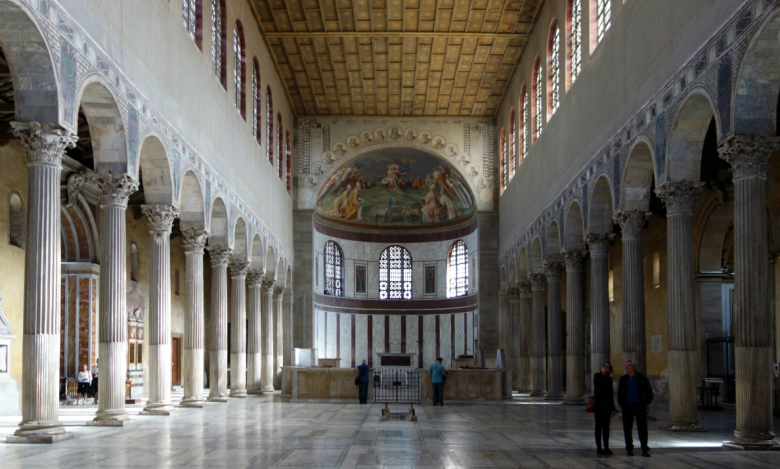
Christianity did not survive because it was inevitable or uniquely true, but because it learned how to endure within power. Competing early Christianities fell away not through error alone, but through political unusability. What survived was an orthodox faith shaped by Roman structures — disciplined, hierarchical, and adaptable enough to stabilise a civilisation after the fall of Jerusalem.
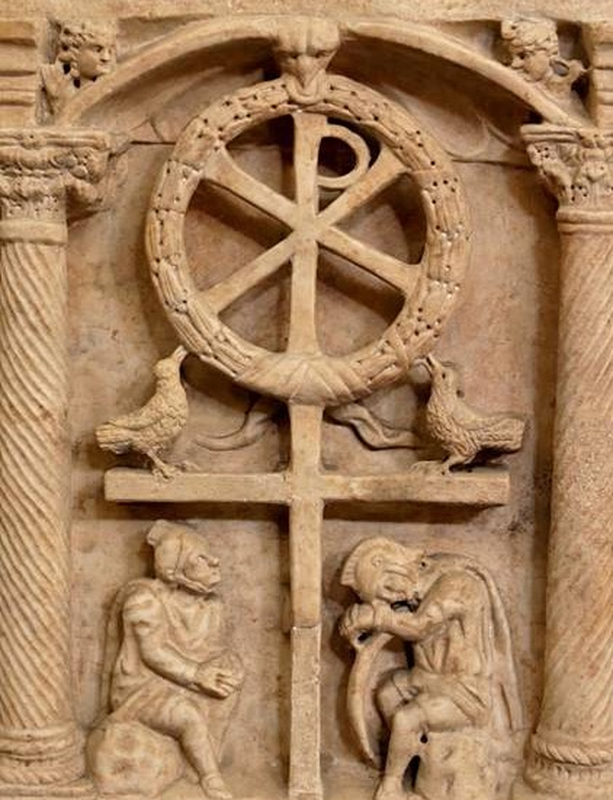
Christianity did not triumph because it was truer than Judaism, but because it was structured to expand. Shaped by the Roman world, it crossed borders, absorbed outsiders, and built institutions that could scale. Judaism endured through continuity, identity, and boundary-keeping — strengths that preserved it as a people, but limited its spread as a universal movement.
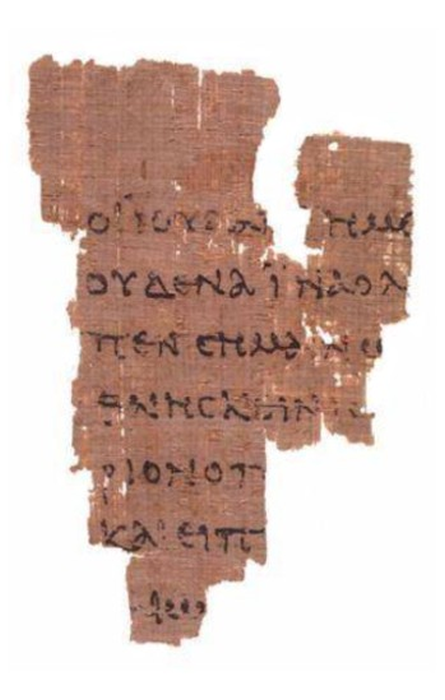
Behind the vast theological edifice of later Christianity lies a very different figure: a Galilean teacher whose sayings in the Synoptic Gospels preserve a startling moral clarity largely absent from the metaphysical Jesus of John and the cosmic Christ of Paul. Recovering the historical Jesus requires peeling away these later layers and listening again for the radical ethical voice that once challenged his hearers to transform the inner life rather than speculate on the nature of the universe.