A reflection on the double nature of AI: enriching when used personally for inquiry, writing and clarification, but potentially dangerous when absorbed into government databases, digital identity systems, surveillance, and opaque administrative decision-making.
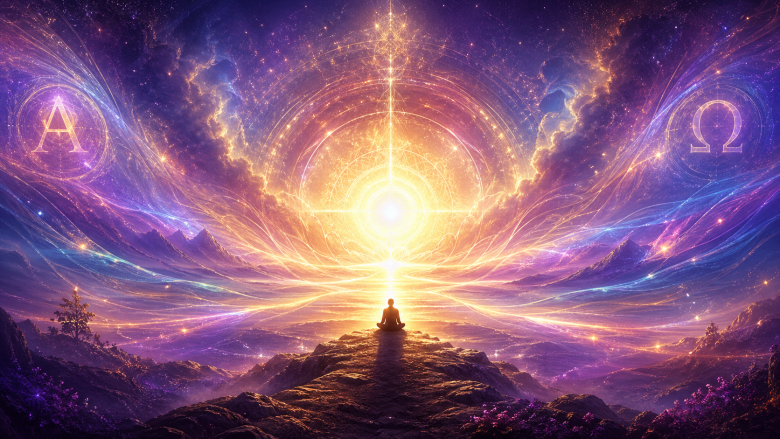
A short reflection on the present moment as the place where life is actually lived. Drawing on the phrase “I am Alpha and Omega” and the recovery saying “Yesterday is history, tomorrow is mystery — just for today,” this piece considers God not as a remote idea, but as the living depth of now: the point at which memory, hope, responsibility, and freedom meet.
Rousseau’s Émile confronts an uncomfortable truth: human beings are shaped long before they are capable of judgement or resistance. Social constraint precedes understanding, and autonomy arrives late, already burdened by what has gone before. This essay examines Rousseau’s attempt to manage that problem through education, its paradoxes and limits, and why return and revision are possible — but reset is not.
In Bochum-Wattenscheid, the election of an AfD councillor to a minor office has shaken Germany’s political establishment. Beneath the outrage lies a deeper problem: a democracy that no longer trusts its own processes. When dissent is suppressed in the name of safeguarding freedom, it is not extremism that threatens democracy, but fear itself.
Jean-Paul Sartre (1905–1980) turned the collapse of religious certainty into a demand for moral self-authorship. This essay sketches his life, clarifies his philosophy (“existence precedes essence”), traces the steps by which he reached his insights—from bleak fiction to public ethics—and considers possible misunderstandings that remain. It concludes with a sober appraisal: we need not act from anxiety or ideology; real action springs from the will to live.
A reflective essay on the Last Supper as a farewell rather than the founding of a religion. Jesus underestimated the power of the social construct that sustains civilisation — and, like prophets before and after him, paid the price for his honesty.
Western European civilisation grew from two great pillars: the authority of the Church and the power of kings. Together they gave structure, law, and continuity. Yet freedom emerged not from their dominance but from the people’s assertion against them. This article traces the interplay of faith and monarchy, the witness of the Anglo-Saxon Chronicles, and the turning point of the 1960s, when both Church and King lost their hold, leaving today’s fragile democracy exposed.