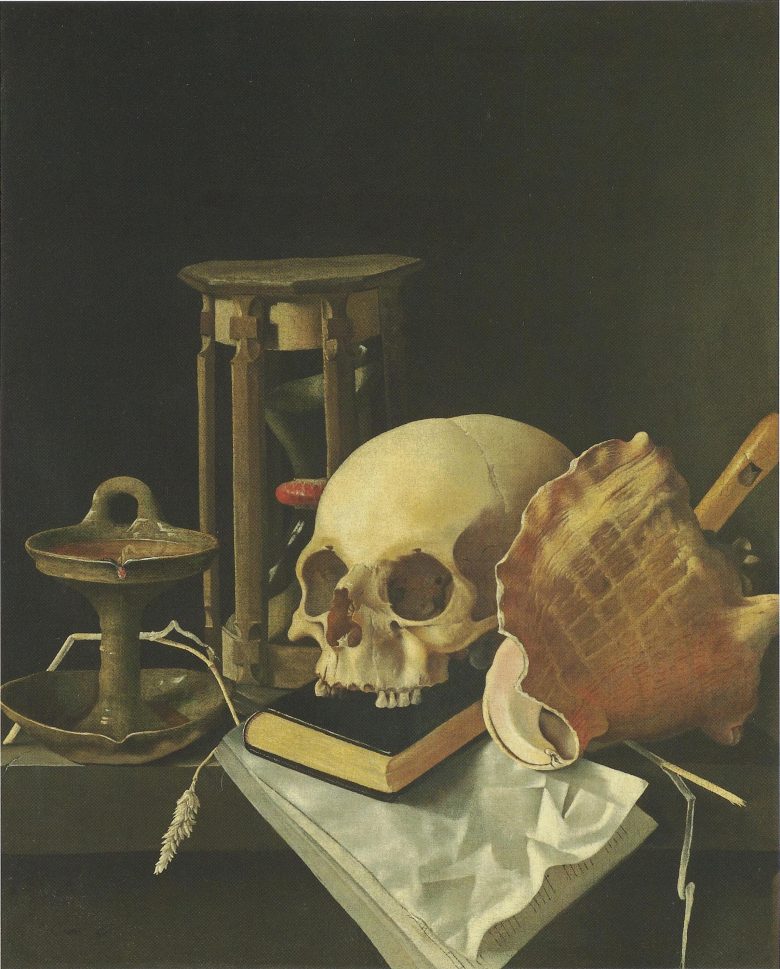
A reflection on euphemism, bodily embarrassment and spiritual idealism. Beginning with the way blunt words shock us, the essay moves through Shelley’s image of “the white radiance of Eternity” to ask whether religion and idealist philosophy are, in part, humanity’s most beautiful evasion of the body, decay and death.
A reflection on why many spiritually curious people avoid the Bible, not because they have read it closely, but because Christianity itself has made it appear dead, authoritarian, or morally compromised. The piece argues that the Bible, especially the Gospels, remains a work of great psychological, poetic, and spiritual depth.

A short reflection on the present moment as the place where life is actually lived. Drawing on the phrase “I am Alpha and Omega” and the recovery saying “Yesterday is history, tomorrow is mystery — just for today,” this piece considers God not as a remote idea, but as the living depth of now: the point at which memory, hope, responsibility, and freedom meet.
Some truths cannot be taught as information. They can only be pointed to, lived, and inwardly recognised. Drawing on Ecclesiastes, Paul, Eckhart, Tolstoy, and the teaching of Jesus, this reflection explores the possibility that the divine is encountered not as doctrine but as experience: a depth within consciousness that upholds, illumines, and transforms. Whether that experience comes from beyond us, from within the brain, or from some mystery joining the two, the practical question remains the same: whether we live in contact with that depth or merely skim the surface of life.
Daniel Daddeh’s reading of the Lord’s Prayer is rhetorically clever, but spiritually false. What begins in the Gospels with “Thy” — thy name, thy kingdom, thy will — is quietly transformed into “My”: my desired state, my manifestation, my fulfilment. The result is not a recovery of Christian prayer, but a modern spirituality of acquisition dressed in biblical language.

Prayer is often understood as asking for things, but in the Gospels it appears as something quite different. It is not a means of control, but a moment of release — a stepping back from the self and a return to what is real. In prayer, one lets go, sees more clearly, and, however briefly, is set in the right direction.
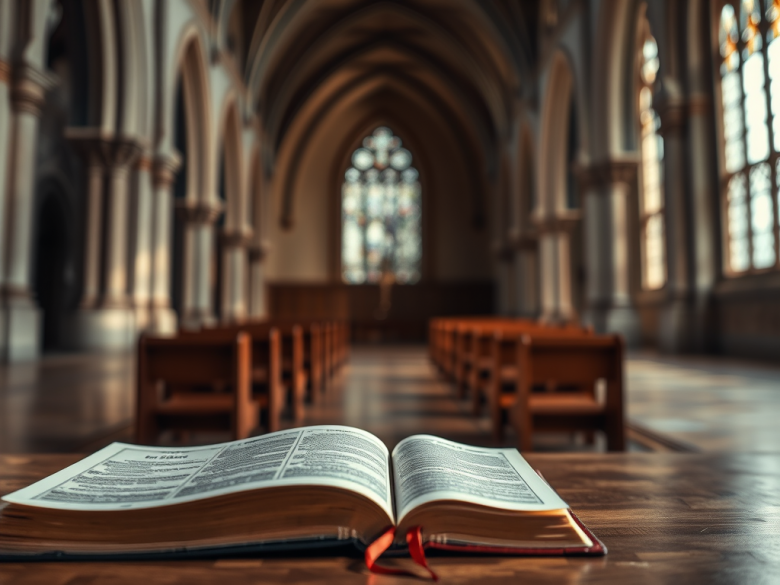
A Church that once shaped conscience now manages assets. As belief thins and process replaces meaning, the Church of England drifts toward becoming a heritage-backed investment body with a spiritual veneer. The Synod debates feel urgent, but the deeper story is structural: faith evaporates faster than property rights. What remains is an institution preserved by land and capital, while Christianity itself quietly returns to where it began — individual conscience.
This essay explores a recurring tension at the heart of human spirituality: the difference between lived experience and the doctrines built upon it. Moments of beauty, awe, or insight can be deeply real and transformative, yet they become dangerous when reinterpreted as universal truths or moral imperatives. Drawing on Augustine, the Psalms, Quakerism, the hermit tradition, and Ecclesiastes, the discussion traces how inner experience is repeatedly hardened into authority—how insight becomes doctrine, and meaning becomes coercion. Against this, a quieter wisdom emerges: one that values attentiveness over certainty, presence over explanation, and humility over control. Rather than rejecting spirituality, the essay argues for holding it lightly—recognising that depth is real, but cannot be owned, enforced, or systematised without distortion. What endures is not belief, but the capacity to remain open, grounded, and human.
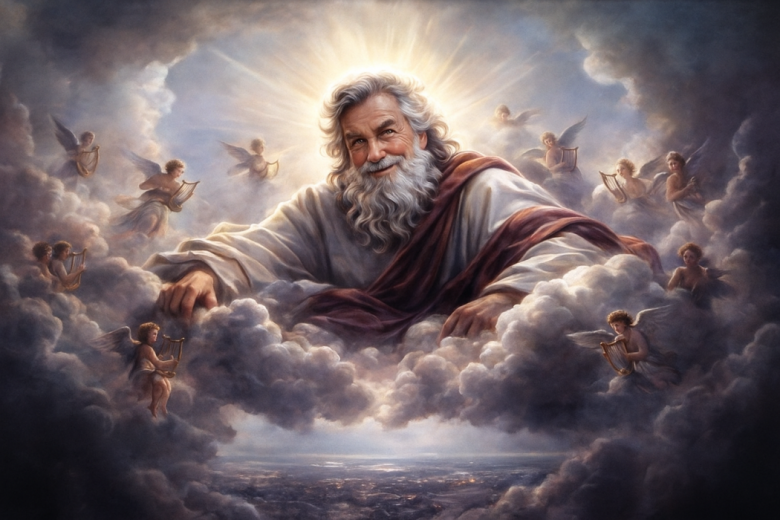
A critical yet sympathetic exploration of the Bible as a multi-voiced historical library, from Covenant and exile to Jesus and Paul, Constantine, and modern secular collapse — concluding that Scripture still offers profound value when read metaphorically as a mirror of the human psyche rather than a literal divine manual.
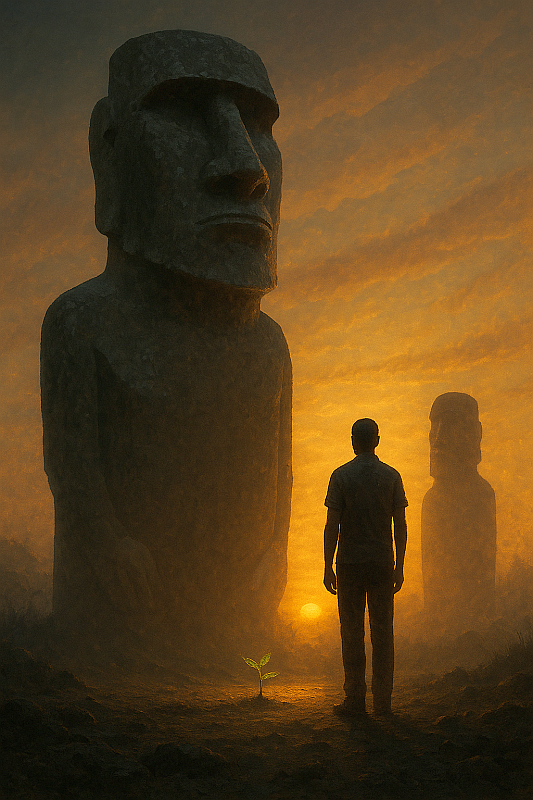
A sweeping reflection on humanity’s struggle to reconcile instinct and intellect, from the ancient gods of Mesopotamia to the teachings of Jesus. This essay argues that true transcendence lies not in power but in inner integration, and that mortality presses us toward completion. Through myth, psychology, memory, and personal experience, it shows that the only moment for wholeness is now.