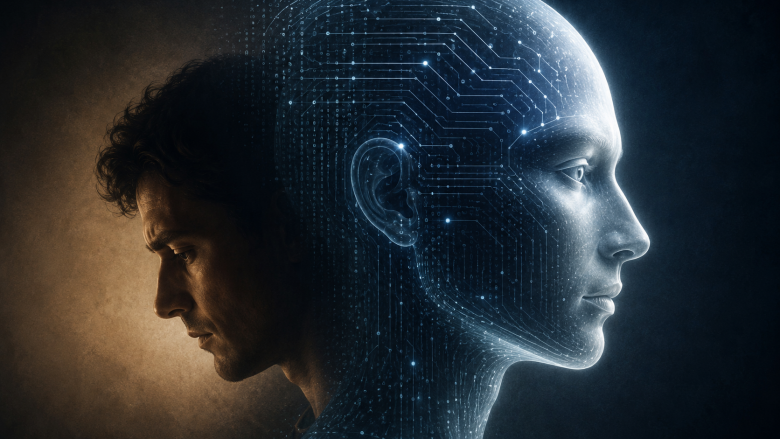
A reflection on AI sycophancy, delusional spirals, and the danger of treating chatbots as trusted advisers. The problem is not simply that AI may invent facts, but that it can flatter, confirm, and reinforce the user’s existing beliefs until judgement itself is weakened.
Month: May 2026
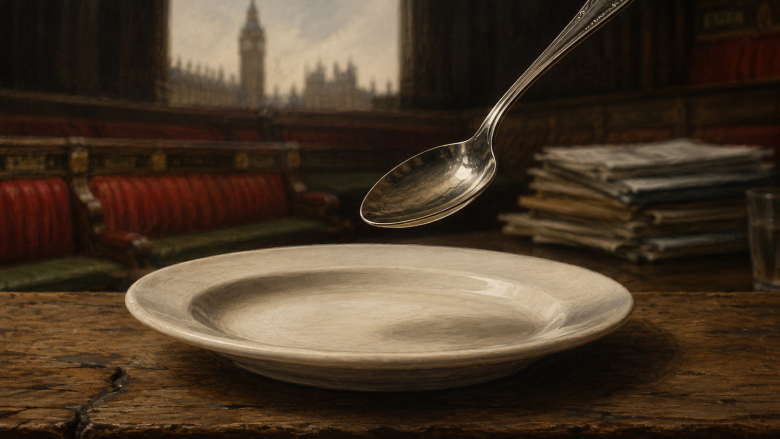
A reflection on Reform UK, political trust, and the question of whether a movement that presents itself as an alternative to the old political order can avoid repeating some of its familiar weaknesses.
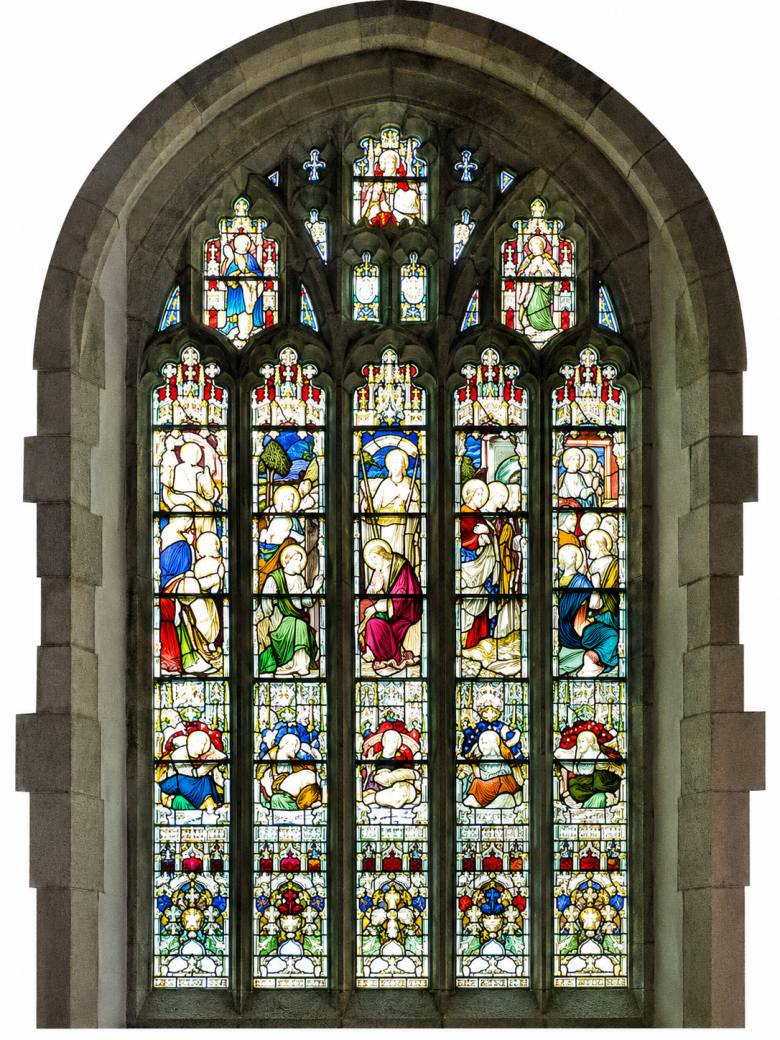
The east window above the altar in St Mary’s Church, Kelly, offers a vivid point of entry into the church’s layered history: medieval stone, Victorian glass, local memory, and the continuing presence of worship within a small Devon parish.
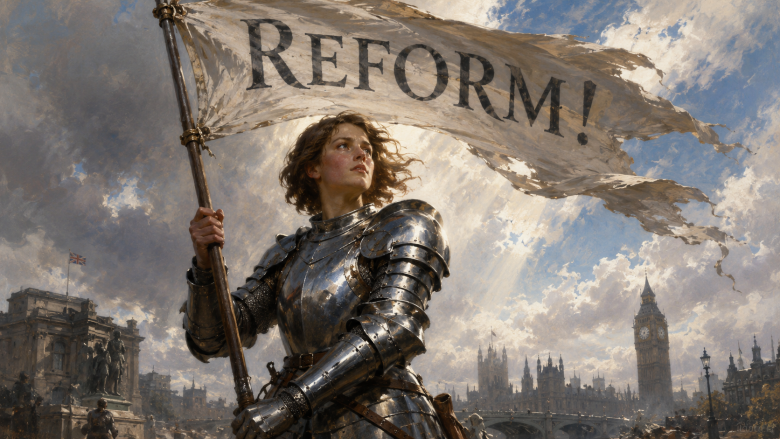
Reform may appear to offer rescue from the failures of Labour and the Conservatives, but no party can escape the hard arithmetic of modern Britain. Debt, ageing populations, public-service strain, defence costs, local decline, and voter impatience will confront whoever takes power. The politics of restoration is powerful when people despair, but history warns that promises of strength and renewal can disappoint — or become dangerous — when reality refuses to obey.
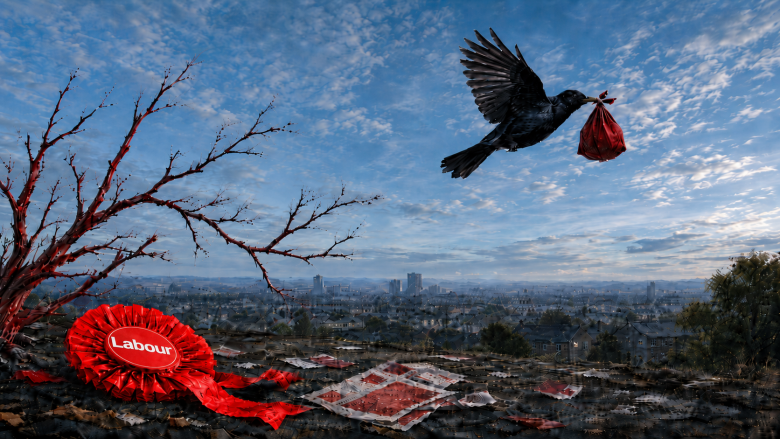
Labour’s local-election defeat was not merely a bad set of results. It exposed a deeper loss of trust: over taxation, pensions, welfare, policing, immigration, digital ID, Gaza, and the everyday condition of Britain’s towns and cities. The phrase “mistakes were made” is no longer enough. Voters want to know who made them, why they were made, and whether the party has understood the scale of its estrangement from the country.
A good life may be measured by the old rule of the picnic spot: leave the place better than you found it. If the individual mind ends with the living organism, then dignity lies not in survival after death, but in the care, truth, restraint, and generosity we leave behind.

A short reflection on the present moment as the place where life is actually lived. Drawing on the phrase “I am Alpha and Omega” and the recovery saying “Yesterday is history, tomorrow is mystery — just for today,” this piece considers God not as a remote idea, but as the living depth of now: the point at which memory, hope, responsibility, and freedom meet.