I am not opposed to the appointment of women to the clergy, but the condition should be that they are truly spiritual people — not merely careerists or woke campaigners seeking visibility within the institution.
Dame Sarah Mullally, soon to be Archbishop of Canterbury, is by any measure an impressive figure. Formerly Chief Nursing Officer for England, she has held senior roles in the National Health Service and in government, been honoured as a Dame Commander of the British Empire, served as Bishop of Crediton and later of London, and now enters the highest office in the Church. She has degrees in nursing, theology, and pastoral studies from London South Bank University, the University of Kent, and Heythrop College, together with numerous honorary doctorates from universities across the country. Her record of service, intellect, and professional competence is beyond dispute.
Yet the question remains: do these worldly achievements reflect spiritual leadership? The New Testament is unambiguous about the nature of true qualification for ministry. The pastoral epistles say:
“A bishop then must be blameless, vigilant, sober, of good behaviour, given to hospitality, apt to teach; not greedy of filthy lucre; but patient, not a brawler, not covetous.”
— 1 Timothy 3:2–3 (KJV)
But Paul’s own definition of love provides an even better yardstick for anyone who would lead others in Christ’s name:
“Charity suffereth long, and is kind; charity envieth not; charity vaunteth not itself, is not puffed up,
Doth not behave itself unseemly, seeketh not her own, is not easily provoked, thinketh no evil;
Rejoiceth not in iniquity, but rejoiceth in the truth;
Beareth all things, believeth all things, hopeth all things, endureth all things.”
— 1 Corinthians 13:4–7 (KJV)
And elsewhere he gives another visible measure of a person’s worth — the fruits of the Spirit, which mark those who live by divine consciousness rather than self-will:
“The fruit of the Spirit is love, joy, peace, longsuffering, gentleness, goodness, faith,
Meekness, temperance: against such there is no law.”
— Galatians 5:22–23 (KJV)
These are the unmistakable signs of an awakened life — qualities of the soul, not of intellect or position. They are what distinguish the genuine shepherd from the ambitious cleric, the person of spirit from the polished careerist.
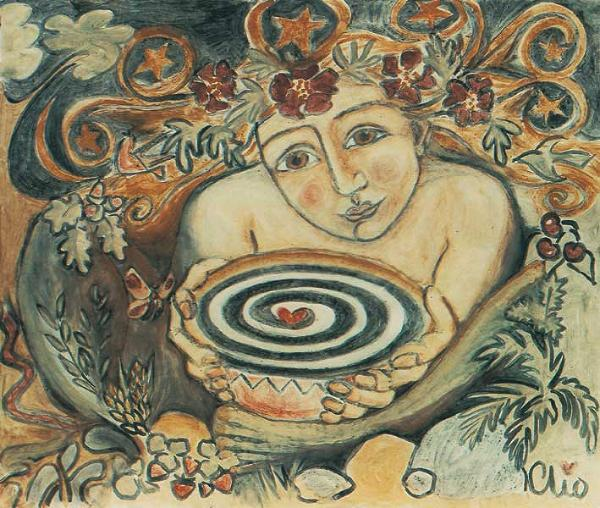
There is, of course, room for interpretation. The letters to Timothy and Titus reflect a time when the divine feminine had been largely excluded from the developing Church. Yet Jesus himself was not merely a moral reformer but a teacher of spiritual reality, who recognised the social construct while insisting that it belonged to another order than the things of the spirit. His saying, “Render unto Caesar the things that are Caesar’s, and unto God the things that are God’s” (Matthew 22:21), was not a call to rebellion but a distinction of realms — a refusal to confuse external authority with the inner sovereignty of conscience. His life pointed beyond politics and ritual to the awakening of the inner law.
He warned against the illusion of worldly security:
“Lay not up for yourselves treasures upon earth, where moth and rust doth corrupt, and where thieves break through and steal.”
— Matthew 6:19 (KJV)

9 And saith unto him, All these things will I give thee, if thou wilt fall down and worship me.
And before beginning his ministry, he endured forty days in the wilderness — a time of deprivation, testing, and solitude — showing that the spiritual path begins not with obedience or conformity but with detachment from illusion. In that encounter, when tempted by worldly power and material comfort, he said, “Get thee behind me, Satan” (Luke 4:8), thus identifying the voice of temptation with the materialist world itself. For him, the adversary was not some external being but the spirit of worldly desire — the craving for mastery, status, and possession that blinds the soul to God.
While Dame Sarah does not fit the traditional mould of Oxford or Cambridge privilege, she has a multitude of worldly qualifications and honours. These bear witness to her discipline and intellect, but they do not necessarily attest to the deeper process that Jung called individuation — the integration of the self around an awakened moral and spiritual centre. Yet who can judge that?
All of this argues for a nuanced approach. Woman or not, what truly matters is that the Archbishop of Canterbury — in an age of spiritual emptiness — should embody the inner life and spiritual maturity to lead a community of faith. Without that, the Church risks becoming once again, in Jesus’ own phrase, a “whited sepulchre, beautiful outward, but within full of dead men’s bones” (Matthew 23:27, KJV).
For as long as this kind of person leads the Church — polished, competent, but spiritually barren — there is little hope that it will have any transformative effect upon people’s lives. It is not money, administration, or policy that change hearts, but the inner change that enables people to renew themselves. Only from that inner life can moral authority and true compassion flow.
I sincerely hope that Dame Sarah Mullally fulfils all of the spiritual requirements for becoming a bishop, whatever her worldly achievements. For in the end, it is not success but spirit — not knowledge but wisdom — that gives life to the Church and light to the world.