
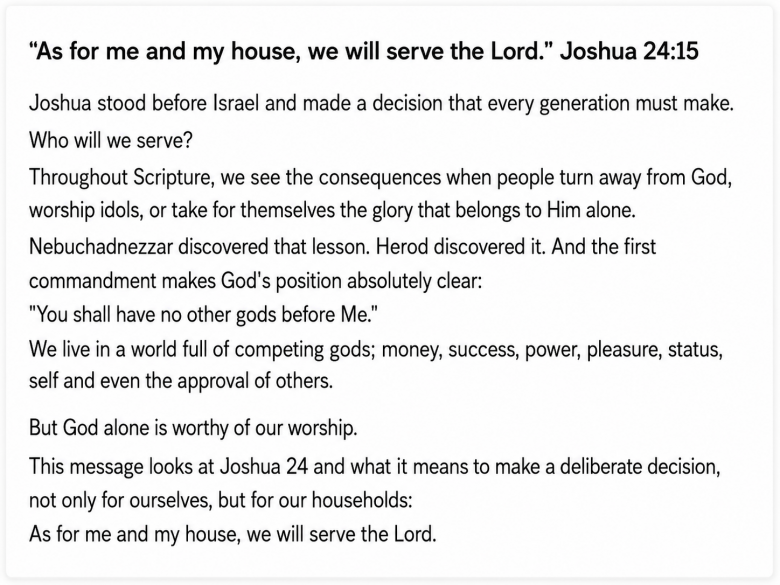
Joshua’s declaration, “As for me and my house, we will serve YHWH,” comes from a religious world very different from the universal, philosophical conception of God found in Acts 17. How did the national god of Israel become identified with the all-loving, all-merciful God of later Christianity?
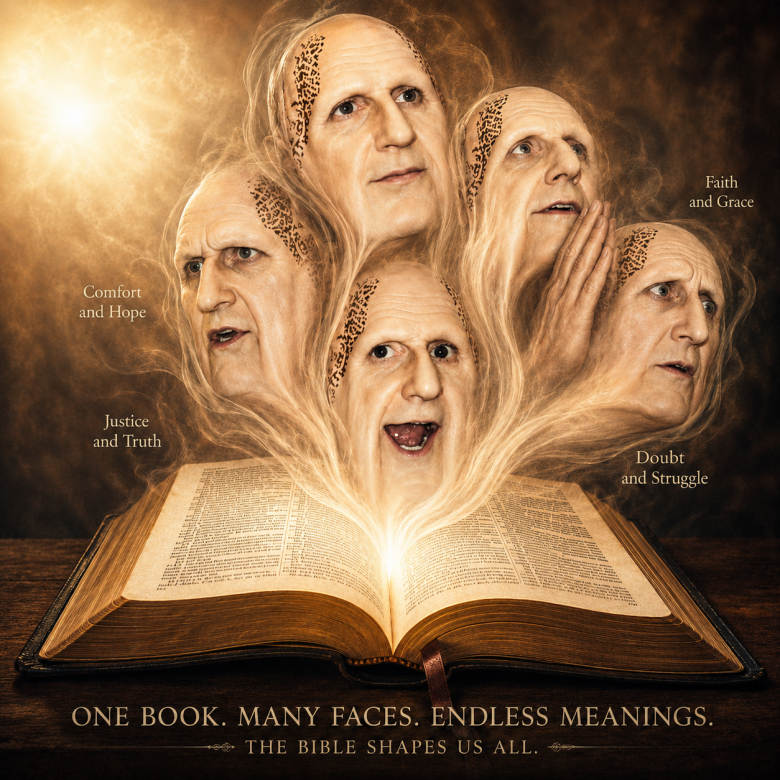
The Bible does not possess one unchanging historical meaning. Like law, politics and art, it is continually interpreted, selected and reshaped. Its special danger lies in the authority granted to those interpretations, which are often presented not as human judgments but as the unquestionable will of God.

The exhibition became more than an encounter with Aboriginal art. It prompted a reflection on land, possession, mortality and the brief intensity of human existence beneath forces we neither own nor command. Sol Invictus—the unconquered sun—became the image of that vast order: indifferent to fences, empires and claims of permanence, yet illuminating the fleeting instant in which life acquires meaning.
Cupitt took leave of an external God while continuing to search for a viable religion. I waded through a sea of doubt until I reached a different shore: God exists inwardly, as a personal reality formed through consciousness, experience and the human disposition towards goodness.

A private spiritual reflection on the inward altar of the soul, the beauty of silence, worship as joy and gratitude, and the ancient psalmic recognition that existence — God — was before us. The piece links personal inward awareness with Psalm 19, Psalm 8, and the humility of knowing that we are not first, but secondary.

As the supernatural cosmology of Christianity loses its authority, its moral questions remain. This article proposes “moral economics” as a practical framework based on responsibility, reciprocity, stewardship, cost, benefit and consequence.
Daniel Daddeh’s reading of the Lord’s Prayer is rhetorically clever, but spiritually false. What begins in the Gospels with “Thy” — thy name, thy kingdom, thy will — is quietly transformed into “My”: my desired state, my manifestation, my fulfilment. The result is not a recovery of Christian prayer, but a modern spirituality of acquisition dressed in biblical language.
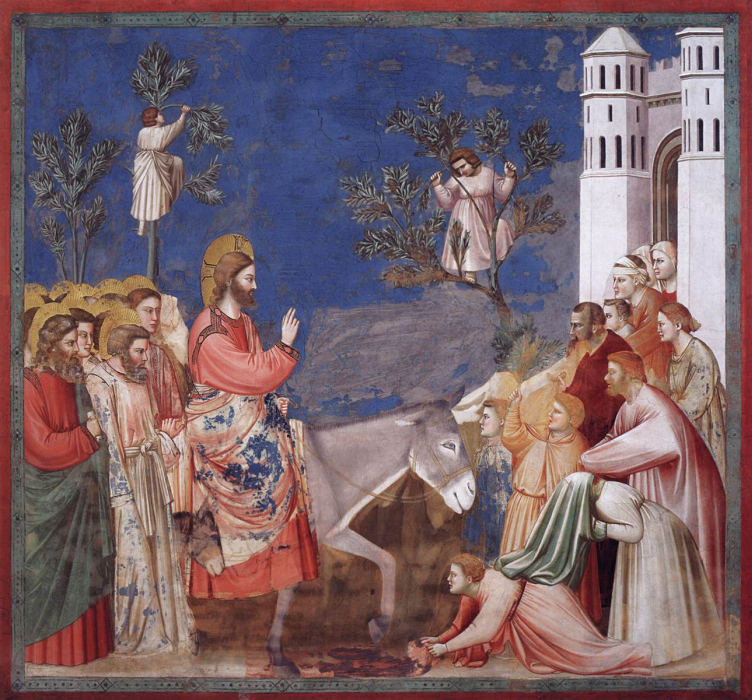
Jesus’ entry into Jerusalem on a donkey was not a triumph but a misfired symbol—an ironic gesture the crowds misunderstood and ultimately rejected. Beneath the Gospels’ later sanitising lies a teacher who defied the messianic expectations imposed on him, and whose authentic voice survives most clearly in his startling, poetic moral teaching.
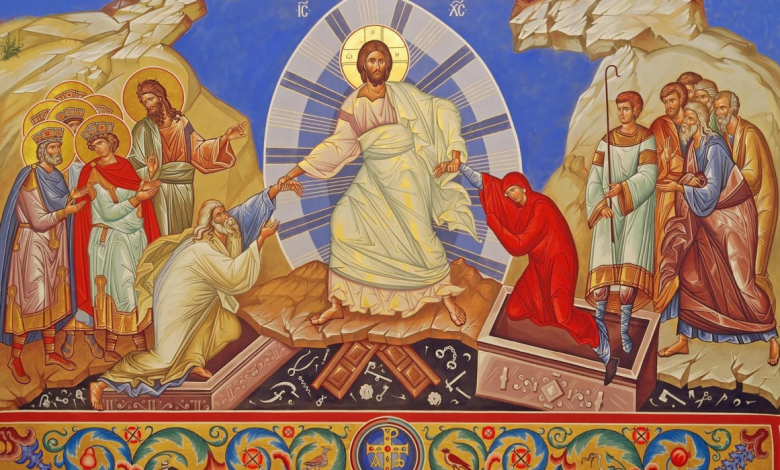
A fresh reading of Paul reveals a profound shift: the apostle transforms the concrete, moral Jesus of the Synoptic Gospels into a cosmic and interior reality. By blending word-frequency analysis with the meanings of Christos and Paul’s near-Gnostic metaphysics, this essay explores how the “Jesus event” became reinterpreted as a universal, communal mystery — far beyond its original first-century context.
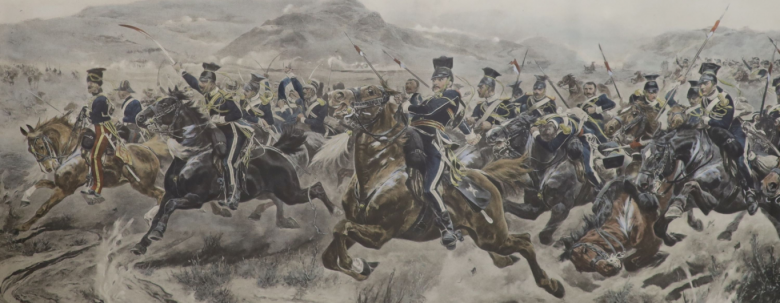
A historical reflection on how Christianity once shaped a unified Mediterranean world, how Islam transformed the East, and how centuries of tension reshaped Europe. The article argues for a renewed moral centre today—not doctrinal, but rooted in mutual respect and the ethical core of Jesus’ teaching.