
Christianity may be historically doubtful and institutionally distorted, yet it preserves ancient mysteries of sacrifice, renewal, death, reconciliation and transformation. Are these recurring themes merely products of the human mind, or echoes of something humanity once encountered?

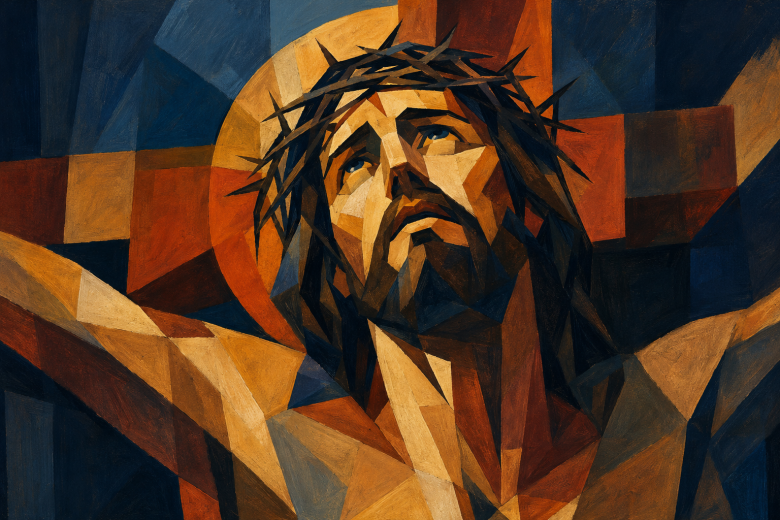
Christianity emerged from Jewish apocalyptic thought, transformed the execution of a Galilean preacher into a universal drama of sacrifice and salvation, and eventually became the intellectual framework of Europe. This article traces that development from Enoch and Qumran to Paul, orthodoxy and the “mind-forg’d manacles” left behind.

Religious stories endure because they give form to possibilities already present within the human mind. At their best, they celebrate humanity’s potential for compassion, courage, sacrifice, forgiveness and care for the vulnerable. Their distortion begins when metaphor is converted into history, archetype into supernatural fact and human insight into divine commandment. We need not eradicate these patterns, even if that were possible. We need to understand them and allow them to serve life without submitting to the doctrines built upon them.
Jesus’ teaching about death and resurrection did not emerge in isolation. He was a man of his time, taking part in a vigorous Jewish debate shaped by apocalyptic expectation, Greek thought and conflicting ideas about the fate of the dead.
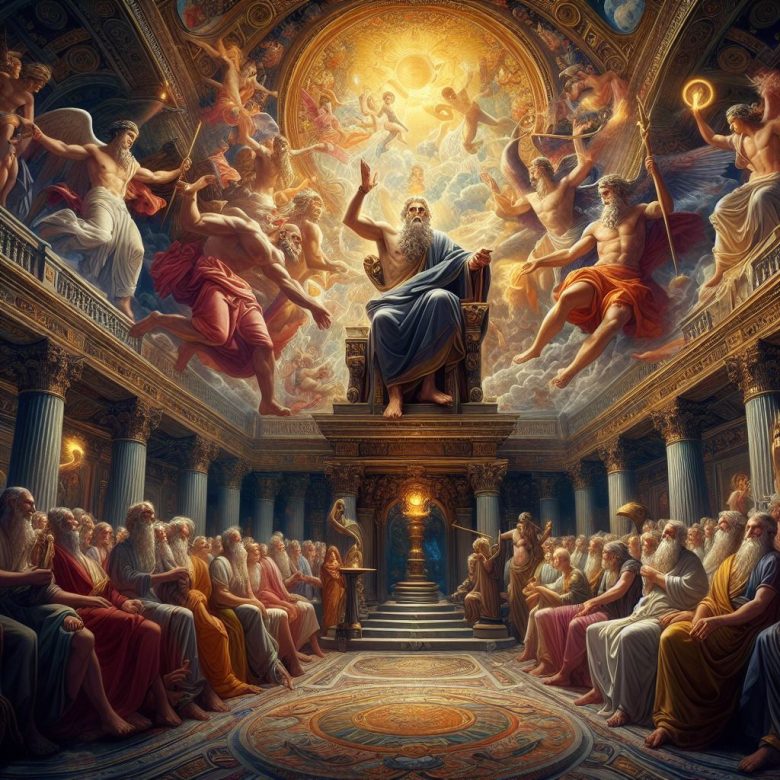
What if the ancient accounts of creation, divine councils and the gods who governed mankind preserve more than myth? This article compares Psalm 82, Genesis, the Enūma Eliš, the Sumerian King List and the later shaping of the Old Testament to ask whether humanity’s origins—and its troubled relationship with its creators—may have been remembered in distorted form.

France’s political history after 1789 was marked by repeated shifts between monarchy, republic and empire. This overview traces the principal regimes from the Revolution through Napoleon, the restored Bourbons and the later republics.
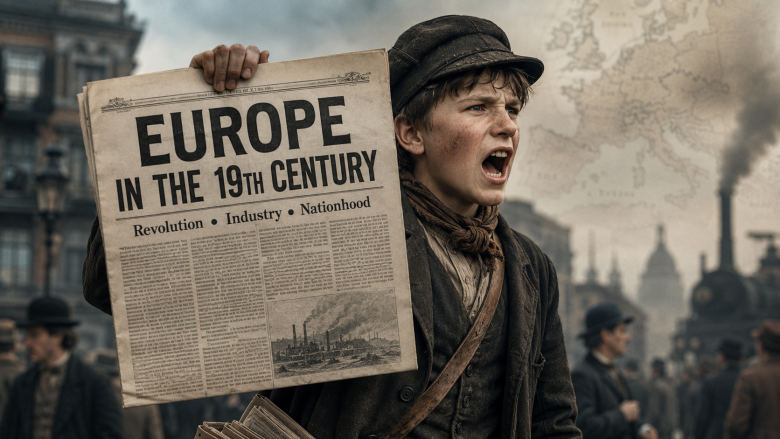
A comparative overview of nineteenth-century Europe, examining how Britain, France, Germany, Italy, Spain and Portugal followed different paths through industrialisation, revolution, nationalism, social change and the growth of the modern state.
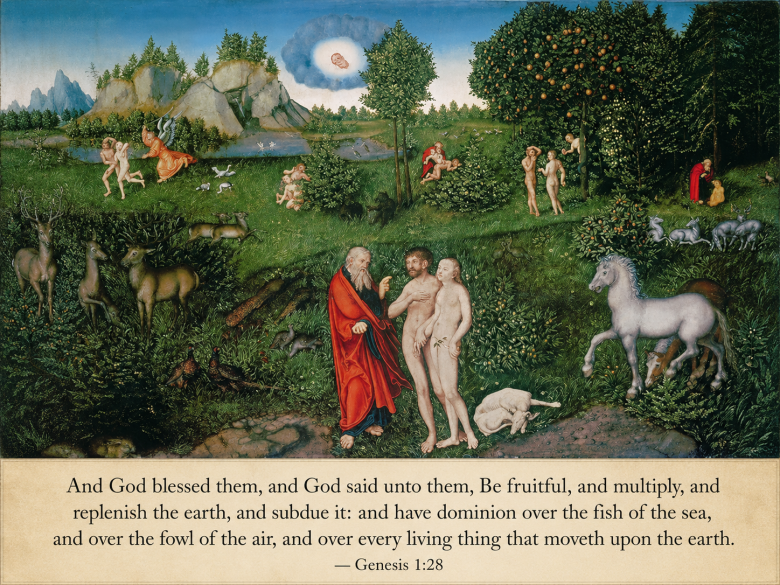
Political renewal begins with metanoia: a change in what individuals desire, value and understand by prosperity. A just nation should express that inner transformation through responsible care for food, land, energy, transport, waste and the common home.
Pink Floyd gave musical form to the anxieties of modern society: conformity, surveillance, war, education, commerce, madness and isolation. Their music reached millions through its atmosphere, virtuosity and emotional force; their words, for those who attended to them, offered a bleak diagnosis of a civilisation whose machinery shapes human beings while calling the process progress. Yet Pink Floyd offered no cure. Their criticism remained inside the system it condemned, leaving the listener to decide what responsibility should follow recognition.
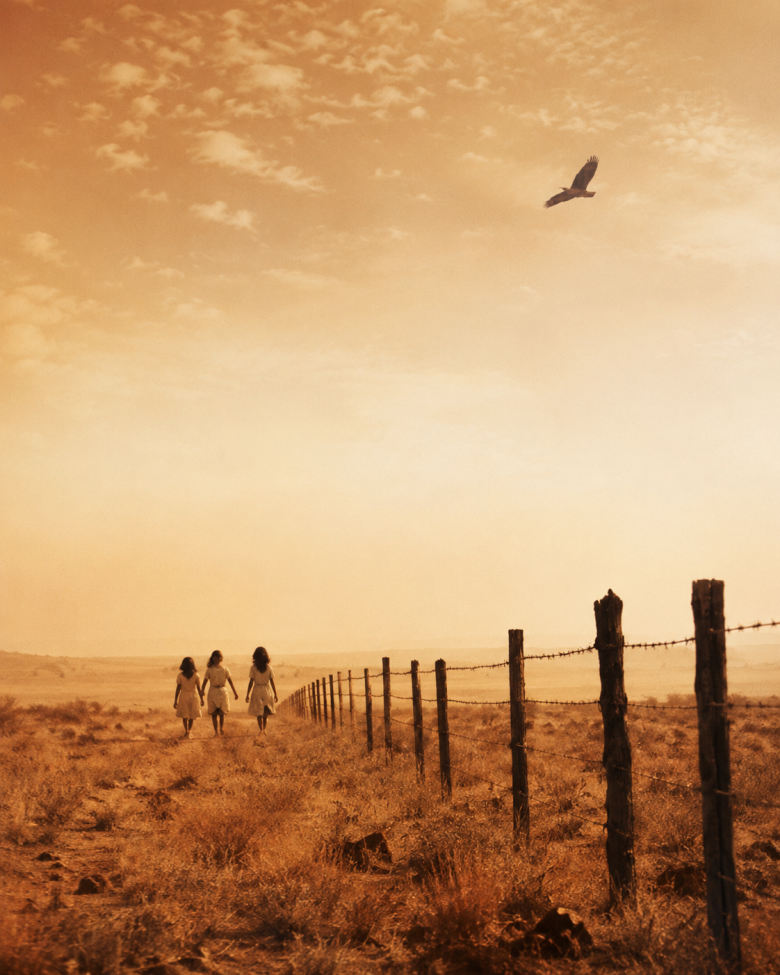
The exhibition became more than an encounter with Aboriginal art. It prompted a reflection on land, possession, mortality and the brief intensity of human existence beneath forces we neither own nor command. Sol Invictus—the unconquered sun—became the image of that vast order: indifferent to fences, empires and claims of permanence, yet illuminating the fleeting instant in which life acquires meaning.