
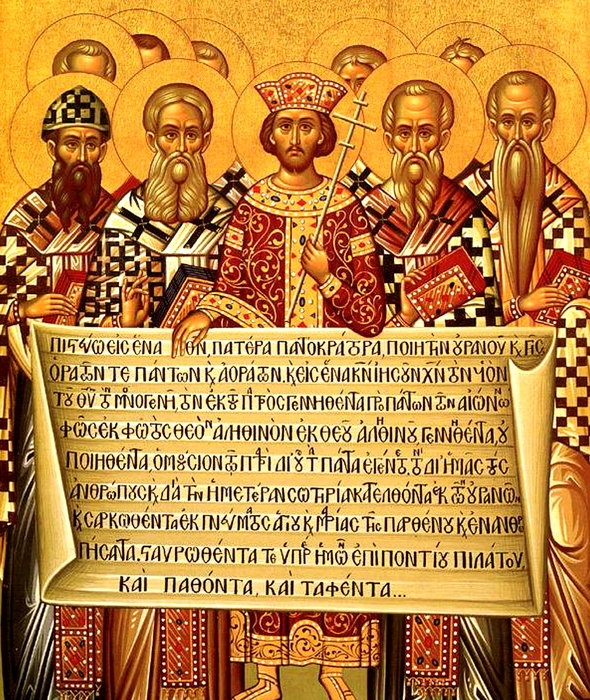
Christianity began as fluid storytelling, not as a system of rules. Yet within four centuries, oral traditions hardened into authoritative texts used to define doctrine, regulate behaviour, and support imperial power. This essay traces how the Gospels moved from living memories of Jesus to instruments of governance, shaping the Church and the civilisation built around it.
Month: December 2025

The Christianity that entered the Roman Empire was not the disruptive message Jesus taught in Galilee, but a reshaped faith the empire could use. The raw Synoptic ethic — reversal of status, rejection of hierarchy, inner transformation over obedience — was incompatible with imperial power. What survived was what could be adapted: creeds, offices, authority, and a cosmic Christ who stabilised the social order. Yet beneath these layers, the original voice still whispers through the Gospels, offering a vision of freedom no empire has ever been able to absorb.

Most diets fail because they start from an imagined ideal rather than from the reality of our daily habits. The body reacts to sudden restriction with hunger, fatigue, and a sharpened sense of craving — not because we are weak, but because it is designed to defend its current weight. Sustainable change begins with gentle, intuitive reductions in quantity, an honest acceptance of where we are, and a clear awareness of the psychological and commercial forces that push us to overeat. By working with the body rather than against it, we build the kind of slow, steady change that lasts.
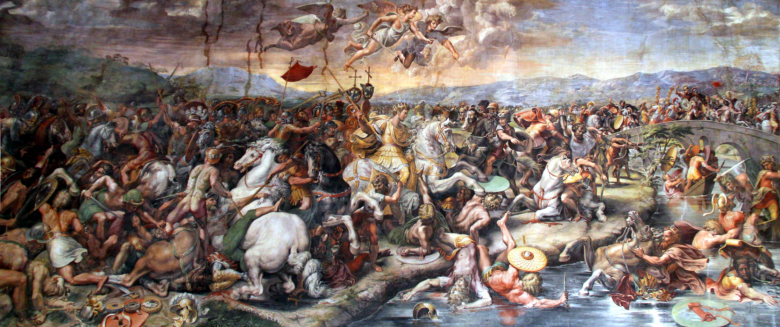
A single political decision in the fourth century reshaped the entire moral imagination of the West. Constantine did not adopt Christianity because it was true, but because it was useful — a ready-made network of obedience, discipline, and social cohesion. What followed was not the fall of Rome but its transformation into a moral empire governed by conscience instead of armies. This article traces how that fusion of power and faith still shapes modern Europe, from institutional authority to the rise of today’s moral culture.
A psalm of praise for God’s works, justice, and covenant faithfulness.10 verses total. VERSUS 1–10 (Latin + Literal English + Word Notes) 1 Confitebor tibi, Domine, in toto corde meo; in consilio iustorum et congregatione.I will confess to you, O Lord, with my whole heart; in the council of the just and in the assembly. …
Dixit Dominus Domino meoA royal-oracular psalm of enthronement and spiritual authority.7 verses total. VERSUS 1–7 (Latin + Literal English + Word Notes) 1 Dixit Dominus Domino meo: Sede a dextris meis, donec ponam inimicos tuos scabellum pedum tuorum.The Lord said to my Lord: Sit at my right hand, until I make your enemies the footstool …
31 verses totalA psalm of slander, injustice, curse language, and the cry for vindication. VERSUS 1–20 (Latin + Literal English + Word Notes) 1 Deus, laudem meam ne tacueris:O God, do not be silent in my praise. Word Notes: 2 Quia os peccatoris et os dolosi super me apertum est; locuti sunt adversum me lingua …
Paratum cor meum, Deus14 verses total A psalm of steadfast trust, renewed courage, and divine victory drawn from earlier Davidic compositions. VERSUS 1–14 (Latin + Literal English + Full Word Notes) Versus 1 Paratum cor meum, Deus, paratum cor meum; cantabo et psallam in gloria mea.My heart is ready, O God, my heart is ready; …
Confitemini Domino quoniam bonus (Psalm 107 Hebrew)Total verses: 43 Verses 1–20 — English with Word Notes 1 Confitemini Domino, quoniam bonus: quoniam in saeculum misericordia eius.Give thanks to the Lord, for he is good; for his mercy is forever. Word Notes: 2 Dicant qui redempti sunt a Domino, quos redemit de manu inimici.Let those redeemed …
(= Psalm 103 in Hebrew numbering) A psalm of healing, restoration, and the renewal of the inner life. No truncation required (total = 22 verses; Word Notes included through v. 20). Versus 1 Benedic, anima mea, Domino, et omnia quae intra me sunt nomini sancto eius.Bless the Lord, O my soul, and let all that …