
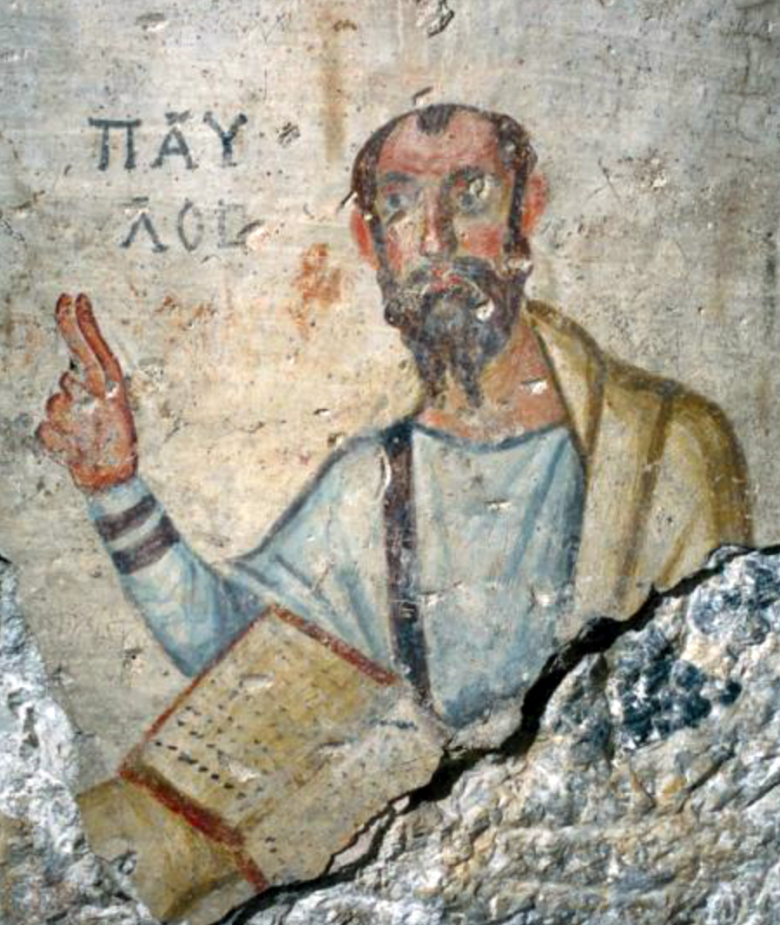
The earliest Christian movement began as a Jewish proclamation that God had raised the crucified Jesus, exalted him as Messiah and Lord, and would soon send him back to complete the kingdom. Over the following centuries, theologians and councils transformed that narrative faith into a detailed metaphysical system defining the Trinity, the nature of Christ and the boundaries of orthodoxy. The resulting Christianity was recognisably descended from the earliest Jesus movement, but it was no longer identical with it.
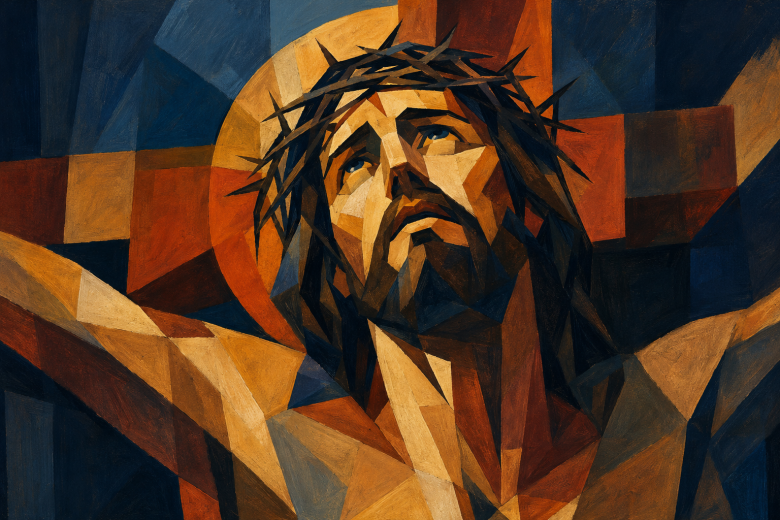
Christianity emerged from Jewish apocalyptic thought, transformed the execution of a Galilean preacher into a universal drama of sacrifice and salvation, and eventually became the intellectual framework of Europe. This article traces that development from Enoch and Qumran to Paul, orthodoxy and the “mind-forg’d manacles” left behind.
Christianity, as history has handed it down, is not identical with its original impulse. What may once have been a small Jewish movement, centred on inner change and moral re-alignment, was gradually overlaid by cosmic theology, mythological symbolism, sacramental structure, and institutional dogma. Paul universalized the movement; later centuries elaborated it; orthodoxy organized and defended it. Yet the stripping away of those later accretions need not end in mere negation. Beneath them, the original summons may still be heard: a call to metanoia, to a reawakening of the moral centre, to the recovery of that inbuilt orientation towards the good which the world so easily obscures. If so, the real significance of Christianity lies less in dogma than in the possibility that, beneath all its historical layers, it still preserves a call to become inwardly true.
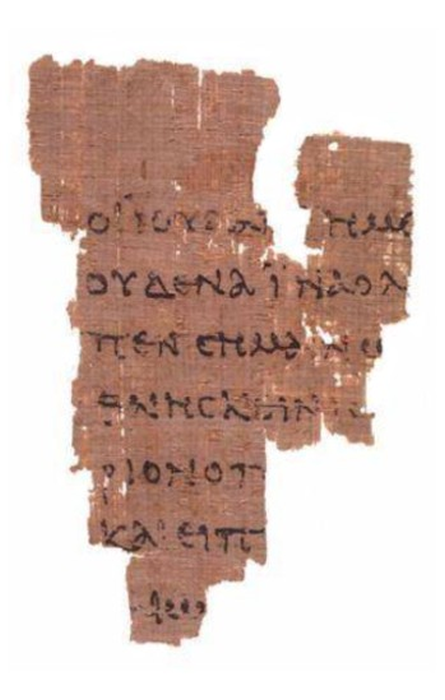
Behind the vast theological edifice of later Christianity lies a very different figure: a Galilean teacher whose sayings in the Synoptic Gospels preserve a startling moral clarity largely absent from the metaphysical Jesus of John and the cosmic Christ of Paul. Recovering the historical Jesus requires peeling away these later layers and listening again for the radical ethical voice that once challenged his hearers to transform the inner life rather than speculate on the nature of the universe.

The Christianity that entered the Roman Empire was not the disruptive message Jesus taught in Galilee, but a reshaped faith the empire could use. The raw Synoptic ethic — reversal of status, rejection of hierarchy, inner transformation over obedience — was incompatible with imperial power. What survived was what could be adapted: creeds, offices, authority, and a cosmic Christ who stabilised the social order. Yet beneath these layers, the original voice still whispers through the Gospels, offering a vision of freedom no empire has ever been able to absorb.
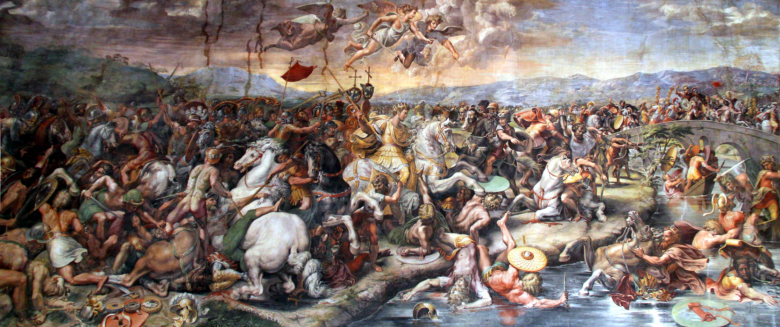
A single political decision in the fourth century reshaped the entire moral imagination of the West. Constantine did not adopt Christianity because it was true, but because it was useful — a ready-made network of obedience, discipline, and social cohesion. What followed was not the fall of Rome but its transformation into a moral empire governed by conscience instead of armies. This article traces how that fusion of power and faith still shapes modern Europe, from institutional authority to the rise of today’s moral culture.
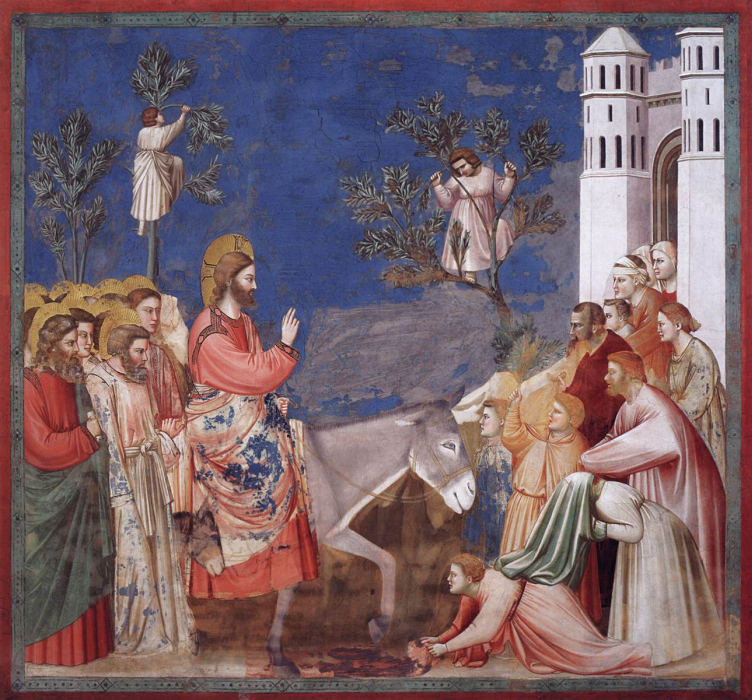
Jesus’ entry into Jerusalem on a donkey was not a triumph but a misfired symbol—an ironic gesture the crowds misunderstood and ultimately rejected. Beneath the Gospels’ later sanitising lies a teacher who defied the messianic expectations imposed on him, and whose authentic voice survives most clearly in his startling, poetic moral teaching.

This article traces how the resurrection tradition evolved from Paul’s visionary experiences into the richly embellished narratives of the Gospels and Acts—and how this shift transformed Christianity from Jesus’ present-centred ethic into a religion of afterlife, obedience, and institutional power. By examining how “Christ” and resurrection became Christianity’s twin stars, it shows how orthodoxy displaced the simple, existential message of Jesus with a metaphysical system built around death, reward, and control.
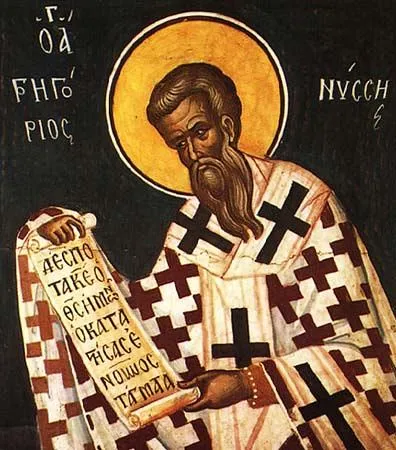
A close reading of the Nicene–Constantinopolitan Creed reveals how little of it reflects the actual teaching of Jesus. Instead, it draws heavily on Paul, John, and fourth-century metaphysics shaped by imperial needs. This article examines why Christianity drifted so far from Jesus’ ethical message and how doctrine replaced the original moral vision of the Gospels.