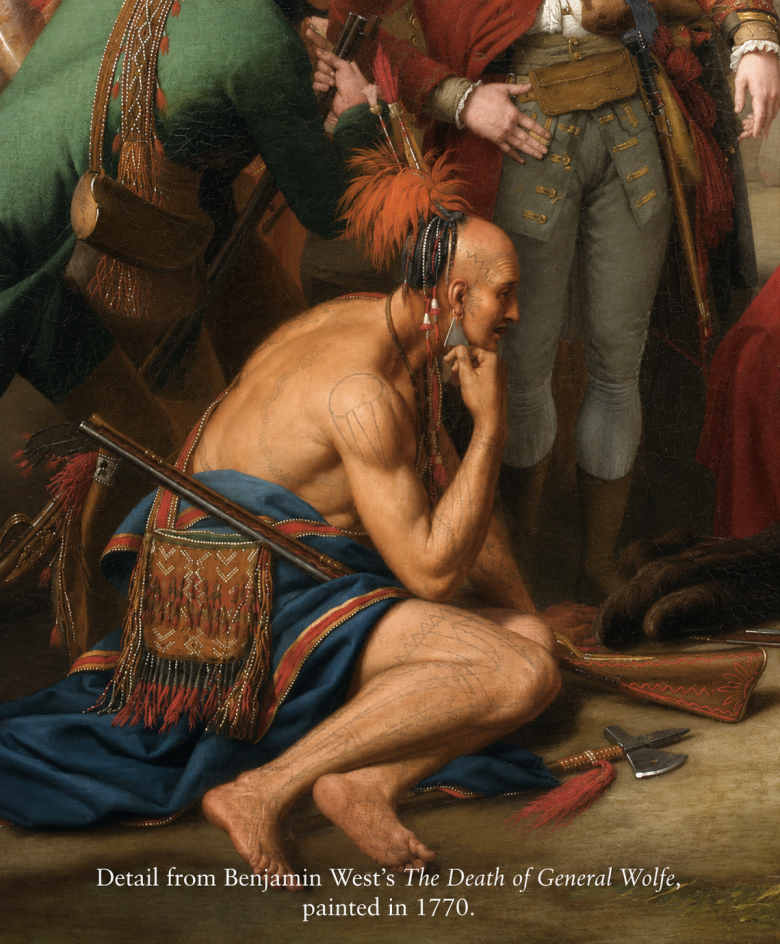
For the French Romantics, the American Indian represented more than an exotic other. He became a symbolic figure through whom Europe reflected on its own condition: freedom and estrangement, nature and civilisation, innocence and loss. In writers such as Rousseau and Chateaubriand, Indigenous America appeared as a world less divided, less artificial and closer to nature, even if that vision often told us as much about European longing as about Native American reality.

Warwick Thornton’s The New Boy presents the forced assimilation of an Aboriginal child as a spiritual desecration. Taken from the freedom of the landscape into a remote Christian orphanage, the boy is clothed, disciplined, named and baptised before he can understand what is being done to him. The only English word he learns is “Amen”: not the language of thought or self-expression, but the language of assent.