

How did medieval Europe, with small populations and limited technology, build thousands of churches and great cathedrals? The answer lies not only in wealth and belief, but in the Church’s inheritance of Roman structures of hierarchy, administration and social control — structures which helped shape European society long after the Middle Ages.

Christianity began as a Jewish messianic movement, not as the fully developed religion later enforced by Rome. This article traces how Jesus, the hoped-for deliverer of Israel, was transformed through resurrection belief, Pauline theology, Greek philosophy and imperial authority into the universal saviour of Christian orthodoxy.
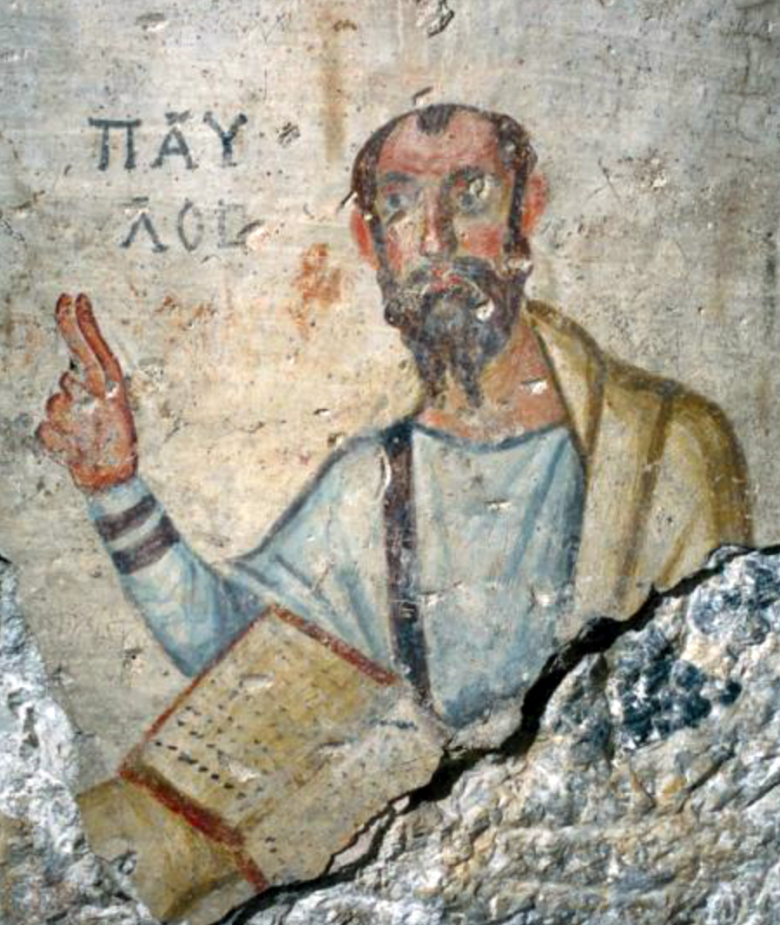
The earliest Christian movement began as a Jewish proclamation that God had raised the crucified Jesus, exalted him as Messiah and Lord, and would soon send him back to complete the kingdom. Over the following centuries, theologians and councils transformed that narrative faith into a detailed metaphysical system defining the Trinity, the nature of Christ and the boundaries of orthodoxy. The resulting Christianity was recognisably descended from the earliest Jesus movement, but it was no longer identical with it.
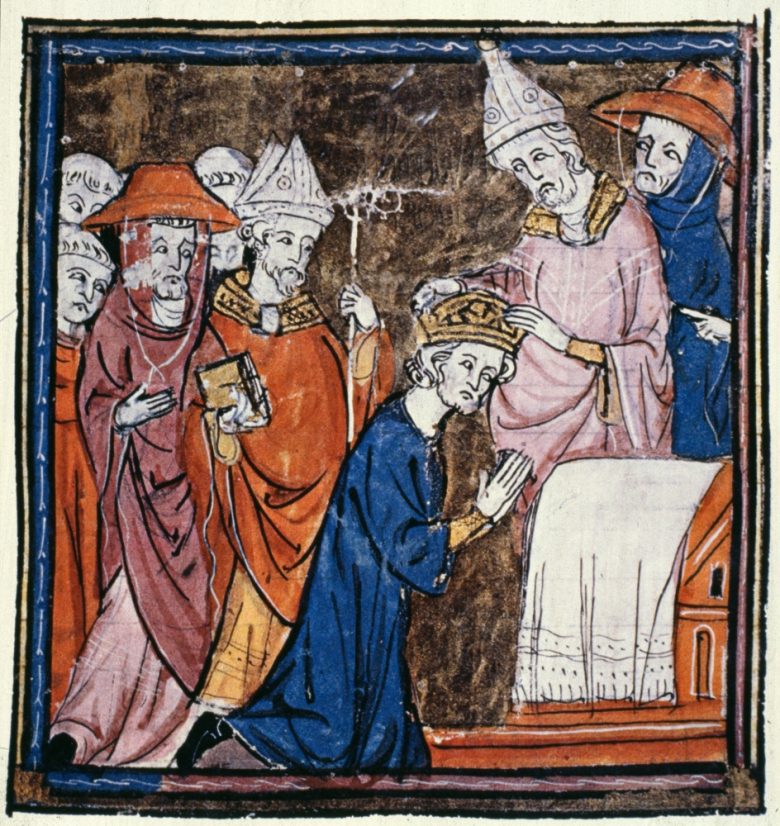
Christianity did not conquer Europe with armies. After the fall of Rome, it spread through networks of meaning: missionaries, monasteries, literacy, ritual, and moral authority. This essay explores how an empire of legions was replaced by an empire of symbols — and why that form of power proved more durable.
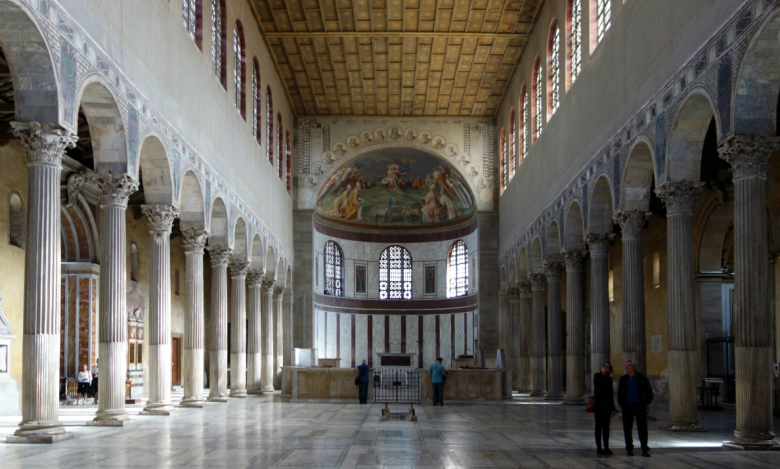
Christianity did not survive because it was inevitable or uniquely true, but because it learned how to endure within power. Competing early Christianities fell away not through error alone, but through political unusability. What survived was an orthodox faith shaped by Roman structures — disciplined, hierarchical, and adaptable enough to stabilise a civilisation after the fall of Jerusalem.
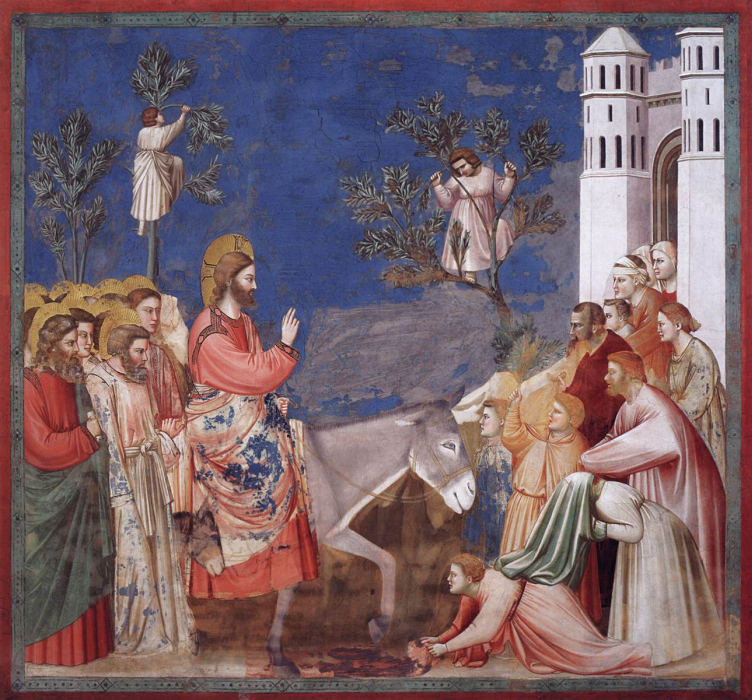
Jesus’ entry into Jerusalem on a donkey was not a triumph but a misfired symbol—an ironic gesture the crowds misunderstood and ultimately rejected. Beneath the Gospels’ later sanitising lies a teacher who defied the messianic expectations imposed on him, and whose authentic voice survives most clearly in his startling, poetic moral teaching.

The census under Caesar Augustus formed the political backdrop to Jesus’ birth, revealing a world shaped by imperial power, taxation, and the struggle for identity under Rome. This essay explores how empire, religion, and human hope intersected in first-century Judea — and why the story still speaks to our own age of control and uncertainty.
Modern evangelicalism is not an ancient faith but a twentieth-century invention. Born in the anxiety of 1930s America, it fused personal emotion, mass media, and nationalism into a new religious identity. What began as revival became a system of control — replacing faith as awareness with belief as submission.