

Religious stories endure because they give form to possibilities already present within the human mind. At their best, they celebrate humanity’s potential for compassion, courage, sacrifice, forgiveness and care for the vulnerable. Their distortion begins when metaphor is converted into history, archetype into supernatural fact and human insight into divine commandment. We need not eradicate these patterns, even if that were possible. We need to understand them and allow them to serve life without submitting to the doctrines built upon them.
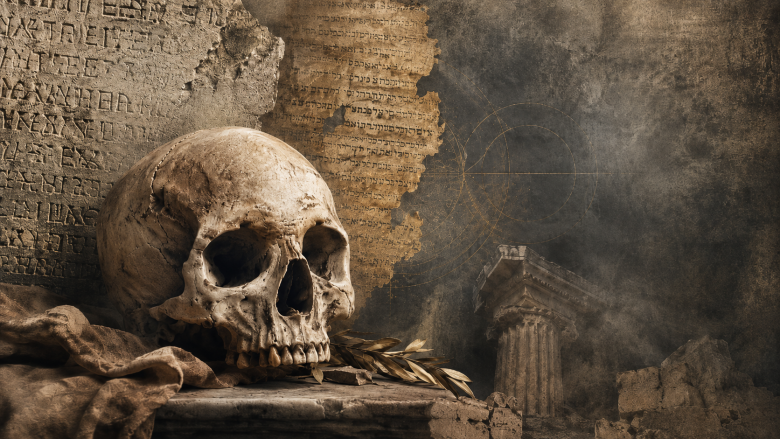
Jesus’ teaching about death and resurrection did not emerge in isolation. He was a man of his time, taking part in a vigorous Jewish debate shaped by apocalyptic expectation, Greek thought and conflicting ideas about the fate of the dead.
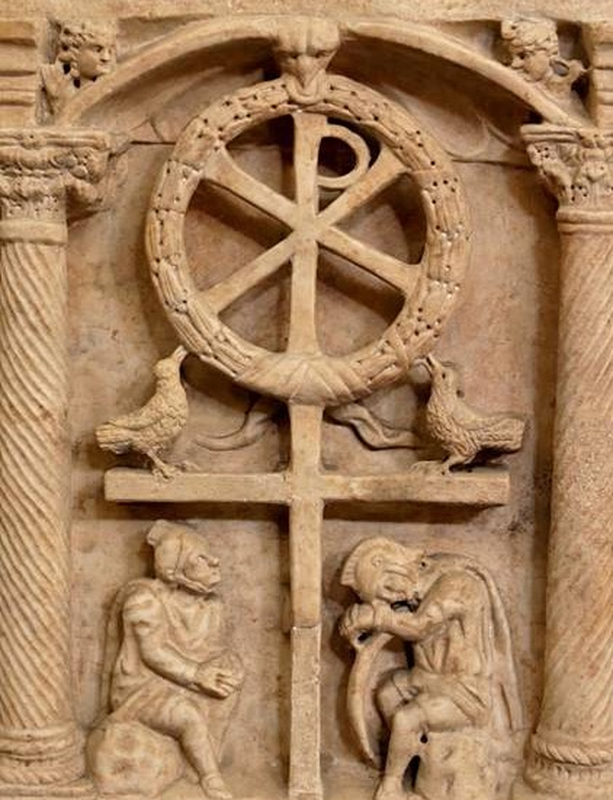
Christianity did not triumph because it was truer than Judaism, but because it was structured to expand. Shaped by the Roman world, it crossed borders, absorbed outsiders, and built institutions that could scale. Judaism endured through continuity, identity, and boundary-keeping — strengths that preserved it as a people, but limited its spread as a universal movement.

Before Christianity ever spoke of rebirth or salvation, immersion in water was already a deeply ancient custom. In Judaism and the Dead Sea communities, washing the body signified readiness, reverence, and a return to moral clarity. John the Baptist stood firmly within this tradition. His baptism was not a novel invention but a decisive, symbolic immersion that echoed centuries of Jewish purification practice and prepared the people for the new movement that would follow.
All great religions begin in fire and end in form. A living experience becomes a creed; a vision becomes a law; awakening hardens into obligation. This is not unique to Christianity but a recurring pattern in the spiritual history of humankind.