

How did medieval Europe, with small populations and limited technology, build thousands of churches and great cathedrals? The answer lies not only in wealth and belief, but in the Church’s inheritance of Roman structures of hierarchy, administration and social control — structures which helped shape European society long after the Middle Ages.
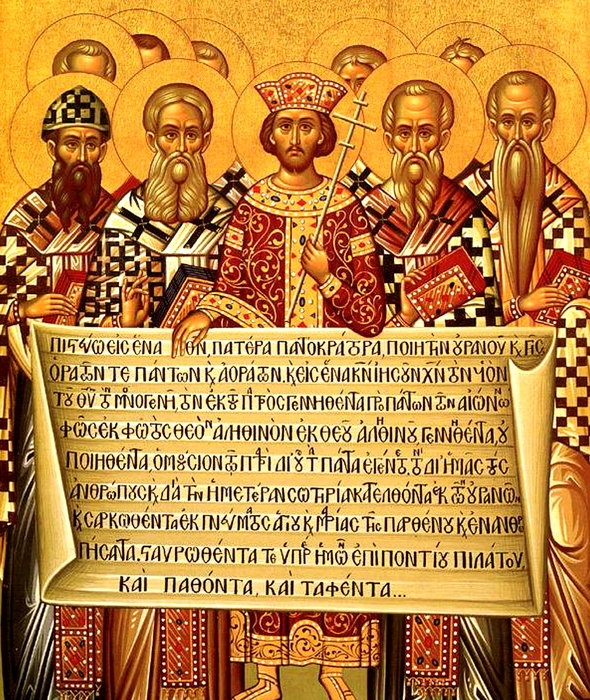
Christianity began as fluid storytelling, not as a system of rules. Yet within four centuries, oral traditions hardened into authoritative texts used to define doctrine, regulate behaviour, and support imperial power. This essay traces how the Gospels moved from living memories of Jesus to instruments of governance, shaping the Church and the civilisation built around it.