

As the supernatural cosmology of Christianity loses its authority, its moral questions remain. This article proposes “moral economics” as a practical framework based on responsibility, reciprocity, stewardship, cost, benefit and consequence.
An argument that God is not best understood as an external commander, but as the inward source of moral recognition: the strength by which we see the good, stand by it, and give it outward form in law, art, worship, and responsible action. Drawing on Jesus, Paul, Shakespeare, Wilfred Owen, and the failure of external religion, the article reflects on truth, conscience, self-command, and the need to recover the spiritual key to Western moral life.

The Bible recognises that societies organised around wealth and power easily drift toward injustice. Yet it offers no political blueprint for a perfect society. Instead, it proposes a moral framework built on prophetic criticism of injustice, limits on the accumulation of wealth, and—most radically—an inner transformation of the human heart. The teaching of Jesus challenges not only unjust systems but the human desire for possession and status that sustains them.

In an age of acceleration, it is easy to feel overwhelmed by civilisational fragility and ecological strain. Yet the decisive question may not be whether history declines, but whether individuals maintain their orientation toward reverence and responsibility. Even small acts of care — leaving a place better than we found it — become expressions of fidelity in a high-energy world.

A simple contrast between a Rolex and a Casio becomes a meditation on Christianity, conscience, and the age of AI. As automated systems expand, the real danger is not overt tyranny but the quiet erosion of inward life. When conscience is overshadowed by authority and behaviour becomes measurable performance, we edge closer to Orwell’s vision — not through malice, but through efficiency.
This essay explores a recurring tension at the heart of human spirituality: the difference between lived experience and the doctrines built upon it. Moments of beauty, awe, or insight can be deeply real and transformative, yet they become dangerous when reinterpreted as universal truths or moral imperatives. Drawing on Augustine, the Psalms, Quakerism, the hermit tradition, and Ecclesiastes, the discussion traces how inner experience is repeatedly hardened into authority—how insight becomes doctrine, and meaning becomes coercion. Against this, a quieter wisdom emerges: one that values attentiveness over certainty, presence over explanation, and humility over control. Rather than rejecting spirituality, the essay argues for holding it lightly—recognising that depth is real, but cannot be owned, enforced, or systematised without distortion. What endures is not belief, but the capacity to remain open, grounded, and human.
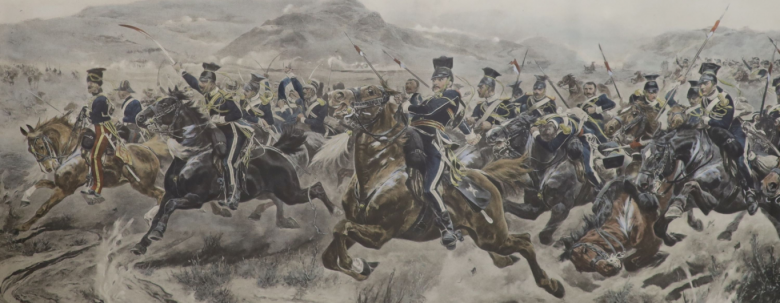
A historical reflection on how Christianity once shaped a unified Mediterranean world, how Islam transformed the East, and how centuries of tension reshaped Europe. The article argues for a renewed moral centre today—not doctrinal, but rooted in mutual respect and the ethical core of Jesus’ teaching.
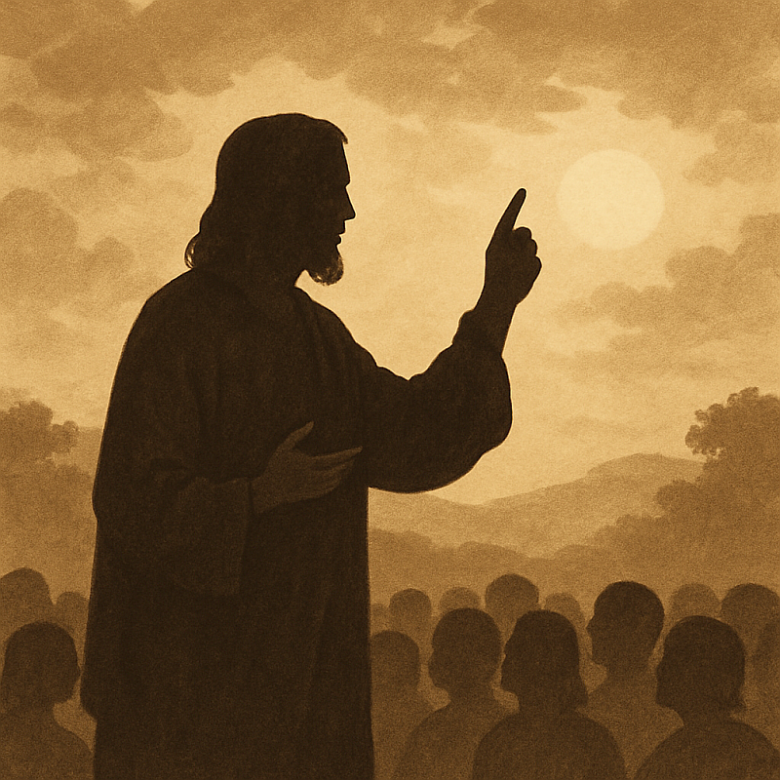
Jesus feels modern not because of theology, but because of his fearless moral clarity. Once we strip away the metaphysical layers, the radical teacher of the Synoptics emerges: a compassionate social philosopher who confronted wealth, hierarchy, exclusion, and fear. This article explores how the historical Jesus differs from the later “metaphysical Christ,” and why his vision still exposes the moral fault-lines of our own age.
Roger Waters’ The Wall is more than a rock album — it is the requiem of a civilisation that rebuilt its cities and lost its soul. This essay traces the work’s roots in post-war disillusionment, its existential honesty, and its moral warning to the modern West. Blending personal memory with cultural analysis, it reflects on the hollow triumphs of the 1960s and the enduring need for inner renewal beyond the walls we build around ourselves.