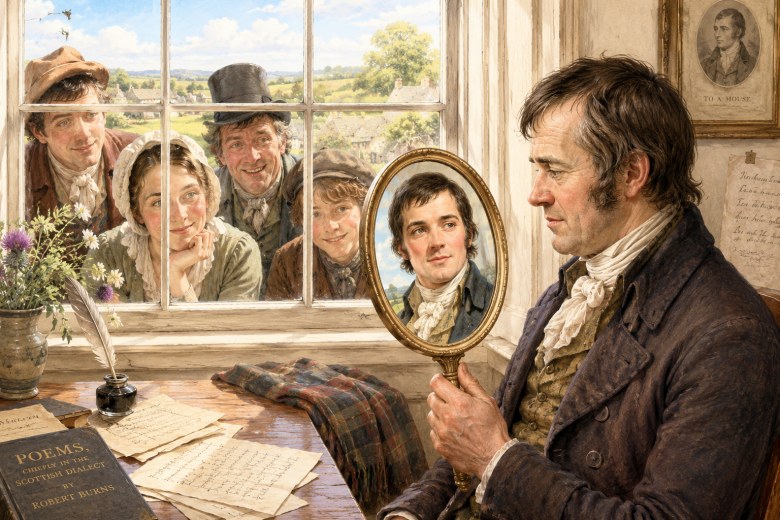
We all live according to an internal version of ourselves. Robert Burns’s famous lines invite us to consider what might happen if our private portrait met the person others actually encounter.
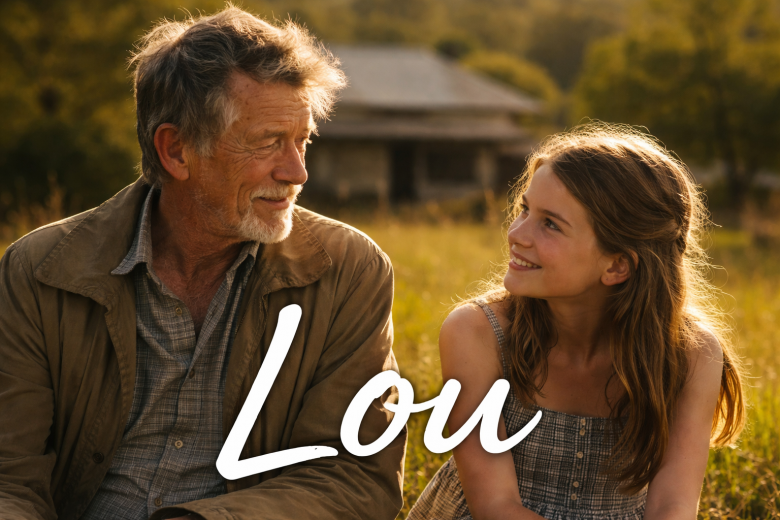
Living in rural New South Wales, working-class single mother Rhia is struggling to evade debt collectors and raise three young daughters.
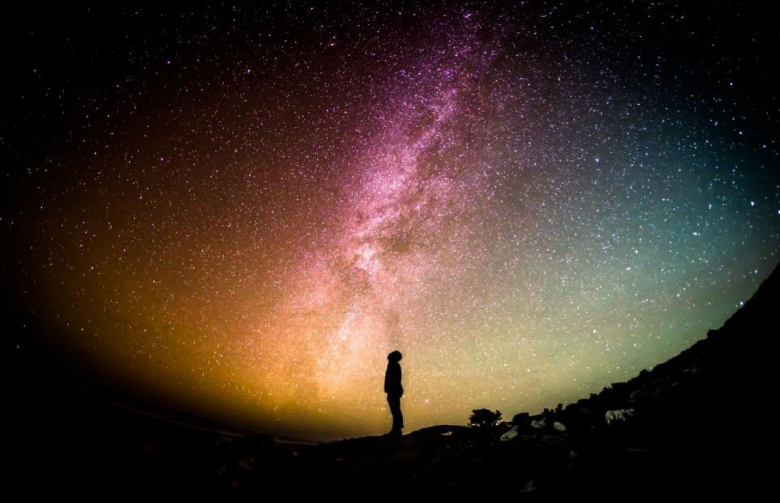
Meditation is not an escape from life, nor a technique for manufacturing insight, but a way of learning when consciousness can safely let go. Human beings live through rhythms of attention, rest, and drift, and change unfolds over time rather than through heroic effort. What sustains a life is not constant awareness, but the capacity to return—again and again—to meaning, structure, and relation as life moves on.
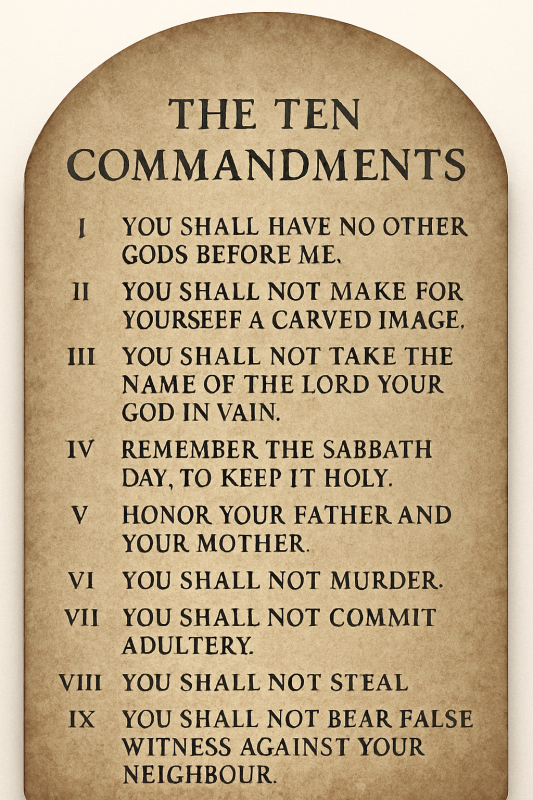
A reflection on how Europe might rediscover a shared moral centre without enforcing religious uniformity. Using Jesus’ ethic as one integrative voice among many, this piece explores innate moral capacities, cultural modelling, and the creative–destructive axis at the heart of human behaviour. Includes scientific notes and two asides on moral development and plural ethics.
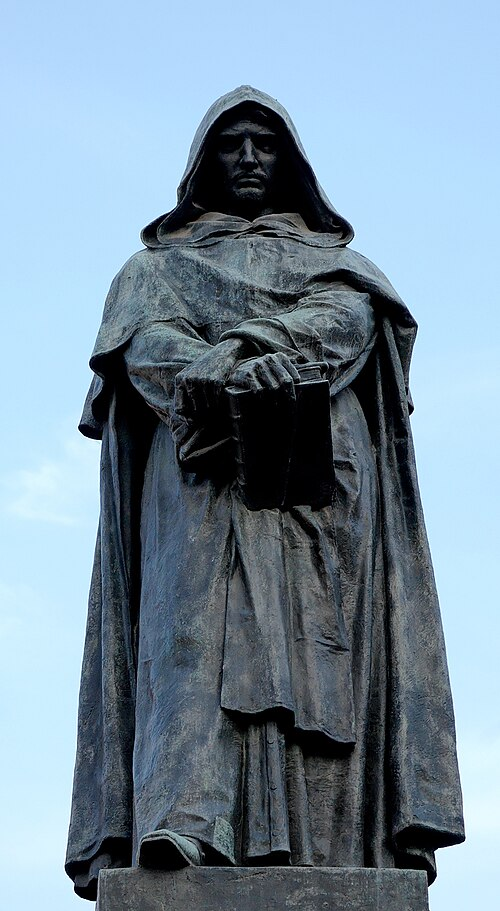
Giordano Bruno saw, more than 500 years ago, that human beings project their inner life onto the cosmos. His “infinite universe” was not astronomy but a vision of the human psyche speaking through myth — a truth that echoes across my own work. In an age that has lost its spiritual depth, Bruno’s voice returns with renewed urgency.
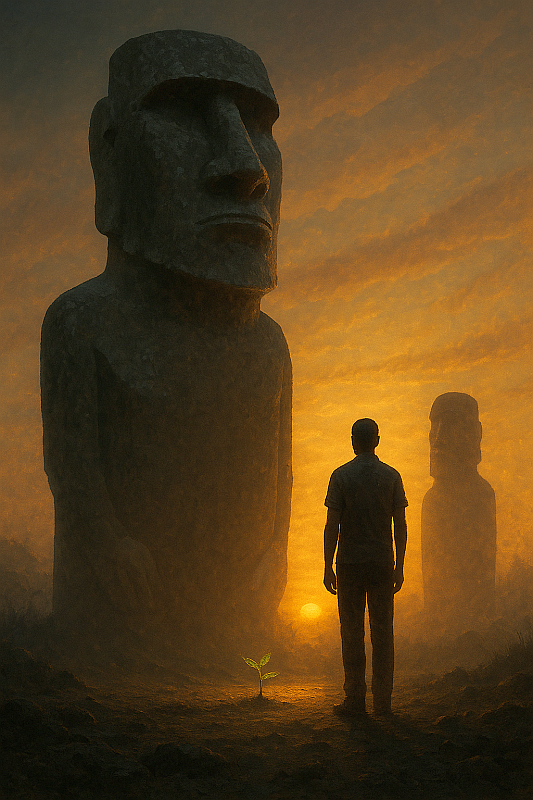
A sweeping reflection on humanity’s struggle to reconcile instinct and intellect, from the ancient gods of Mesopotamia to the teachings of Jesus. This essay argues that true transcendence lies not in power but in inner integration, and that mortality presses us toward completion. Through myth, psychology, memory, and personal experience, it shows that the only moment for wholeness is now.
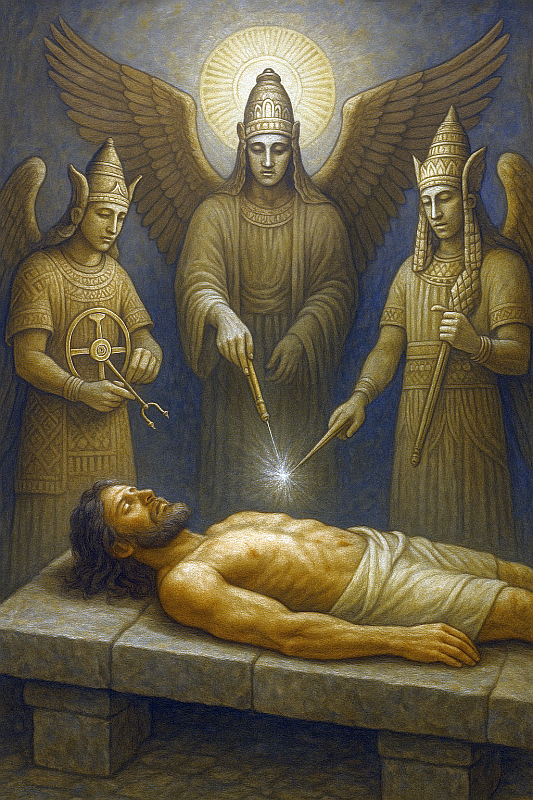
A demythologised reading of Genesis and the Gospels reveals a single thread running through human history: we are conflicted, powerful, unstable creatures trying to understand ourselves. Eden describes why we are dangerous; Jesus offers a path to inner transformation. Later doctrine turned this into metaphysics, but the original insight was psychological. This article explores Adam, Meister Eckhart, the Synoptics, and the Sumerian myths as early attempts to explain the divided human self — and what redemption really meant.

A reflective exploration of why humans are both aggressive and endlessly self-questioning. Drawing on evolutionary inheritance, mythic imagination, and the possibility of ancient genetic engineering, this piece asks what it means to be a species that not only acts, but wonders why it acts.
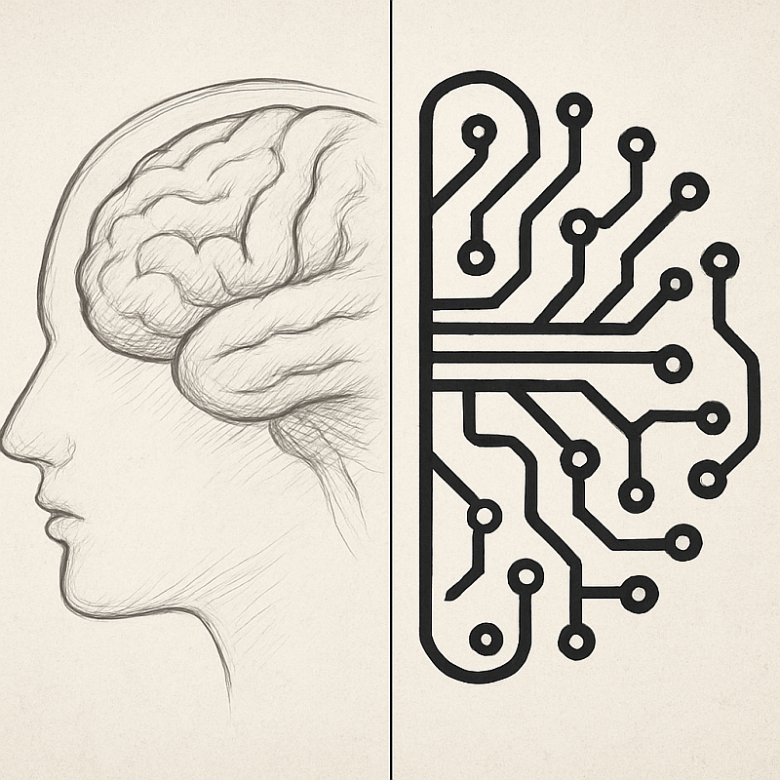
A visual reflection on the deepest difference between humans and AI: the human mind grows through experience and becomes itself over time, while AI arrives fully formed, pre-structured, and without a lived past. This split image captures the contrast between organic consciousness and engineered intelligence.

A reflection on the real meaning of enlightenment — not as mystical experience, but as the quiet reconciliation between our deeper vital dynamics and the surface structure of everyday life. The heart, the conscience, and the unconscious guide us long before reason recognises their pattern.