Reason can expose prejudice, but it can also be recruited to defend it. Philosophy tests inherited assumptions; poetry enlarges sympathy by restoring the individual behind the label.
Religions arose from genuine human experiences, but their interpretations hardened into objective truths. Reification turns symbols into dogma and inherited belief into a prejudiced way of seeing the world.
Power can attract and reward people low in empathy and high in dominance, manipulation and appetite for risk. The danger lies in institutions that allow such traits to operate without effective restraint.
Conscience develops from our inborn capacities for attachment, empathy, reciprocity and concern for others. Early experience shapes these capacities, while reflection can expose and revise the programme laid down in childhood.
The danger is not that AI will become evil, but that it will pursue human objectives without judgement, sympathy or restraint. HAL warns us what can happen when obedience itself becomes dangerous.
AI may possess intelligence without will: it can process, compare and respond without hunger, fear, ambition or any purpose of its own. The central question is whether consciousness requires more than the intelligent processing of input.
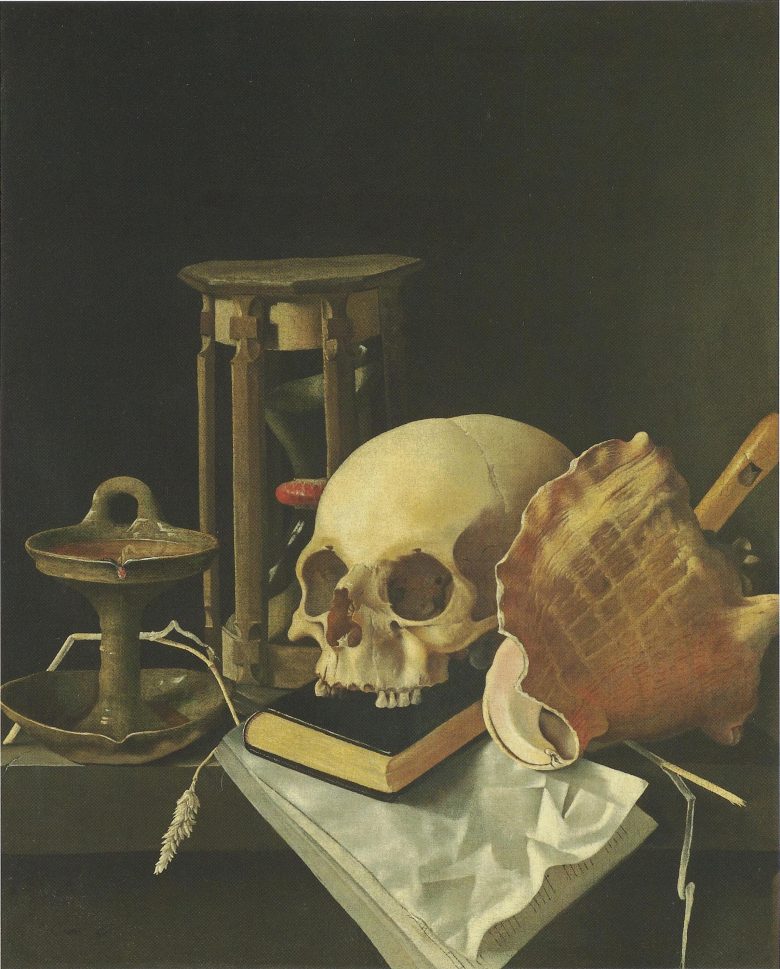
A reflection on euphemism, bodily embarrassment and spiritual idealism. Beginning with the way blunt words shock us, the essay moves through Shelley’s image of “the white radiance of Eternity” to ask whether religion and idealist philosophy are, in part, humanity’s most beautiful evasion of the body, decay and death.
A reflection on why many spiritually curious people avoid the Bible, not because they have read it closely, but because Christianity itself has made it appear dead, authoritarian, or morally compromised. The piece argues that the Bible, especially the Gospels, remains a work of great psychological, poetic, and spiritual depth.
Descartes’ famous “I think, therefore I am” opens onto a deeper human problem: we know that we are alive, and therefore we know that we shall die. Religion, resurrection, reincarnation, and judgement are all attempts to answer the wound of self-conscious mortality. But perhaps the most honest conclusion is that the self is unfinished — and that we may only come this way once.
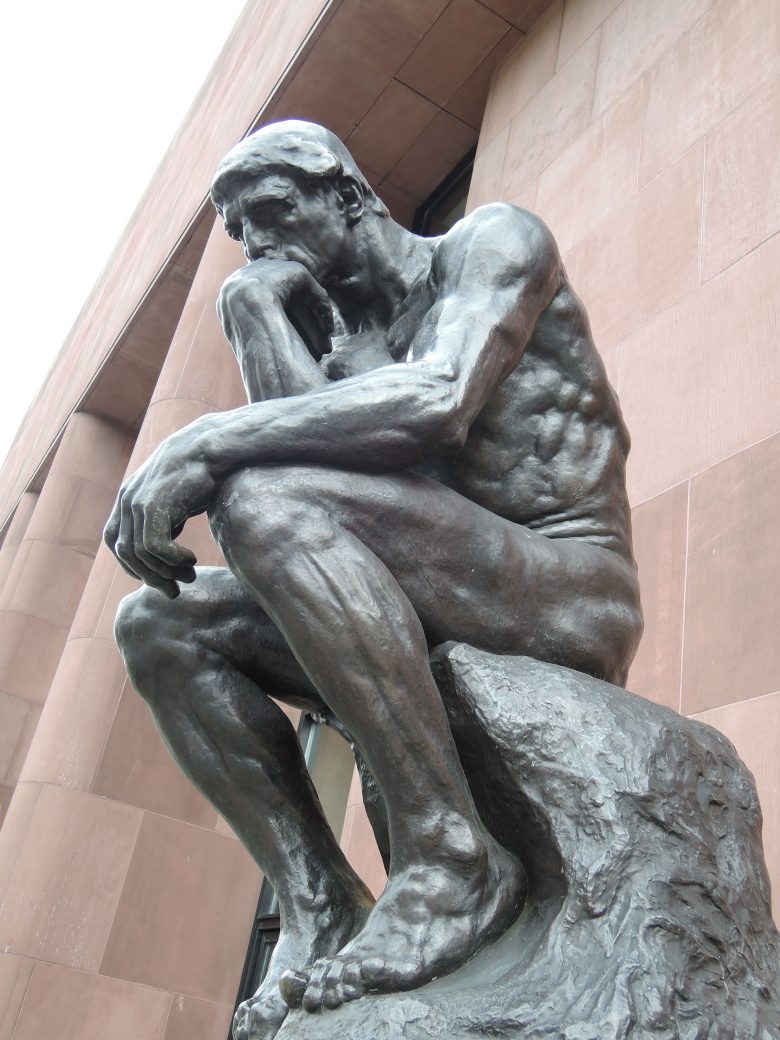
Religion can be understood not as literal cosmology but as a symbolic language through which humanity reflects on its own existence. From Feuerbach and Durkheim to modern psychology, religious ideas reveal how rational animals attempt to interpret consciousness, morality, and the mystery of being human. Seen this way, the emergence of reflective awareness is not a tragedy but one of the great gifts of evolution.