The earliest Christian movement began as a Jewish proclamation that God had raised the crucified Jesus, exalted him as Messiah and Lord, and would soon send him back to complete the kingdom. Over the following centuries, theologians and councils transformed that narrative faith into a detailed metaphysical system defining the Trinity, the nature of Christ and the boundaries of orthodoxy. The resulting Christianity was recognisably descended from the earliest Jesus movement, but it was no longer identical with it.
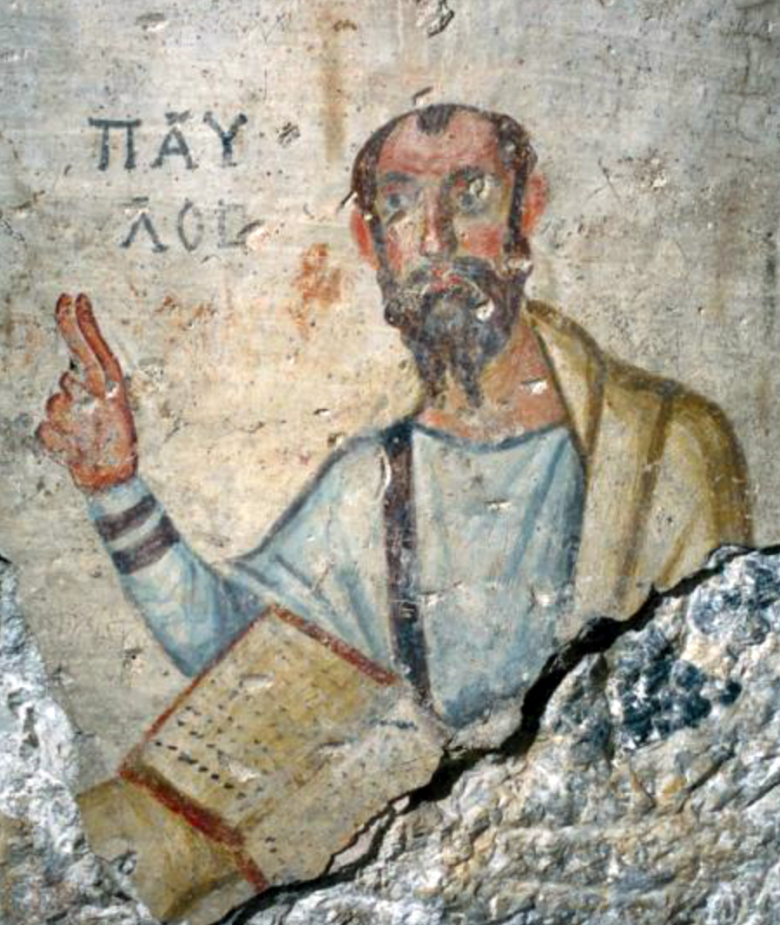
Freedom is never absolute. Body, age, history, temperament and society impose limits we cannot simply remove. Yet St Paul’s language of metanoia and the “renewing of the mind” suggests another kind of freedom: consciousness can enlarge the space within necessity.
Some truths cannot be taught as information. They can only be pointed to, lived, and inwardly recognised. Drawing on Ecclesiastes, Paul, Eckhart, Tolstoy, and the teaching of Jesus, this reflection explores the possibility that the divine is encountered not as doctrine but as experience: a depth within consciousness that upholds, illumines, and transforms. Whether that experience comes from beyond us, from within the brain, or from some mystery joining the two, the practical question remains the same: whether we live in contact with that depth or merely skim the surface of life.