Why do blunt words shock us?
A lavatory is a lavatory, a loo is a loo, and cruder words name the same physical fact with less social disguise. Yet we flinch. We invent softer words, then replace them when they begin to carry the smell of the thing they were meant to conceal.
The question is why we need the covering at all. A bodily function is not in itself shameful; it is simply part of being alive. Yet we surround it with verbal curtains because it reminds us too sharply of what we are not the pure mind or pure spirit we would like to be but creatures of appetite, waste, smell, weakness, age and death.
That is the first scandal: the body.
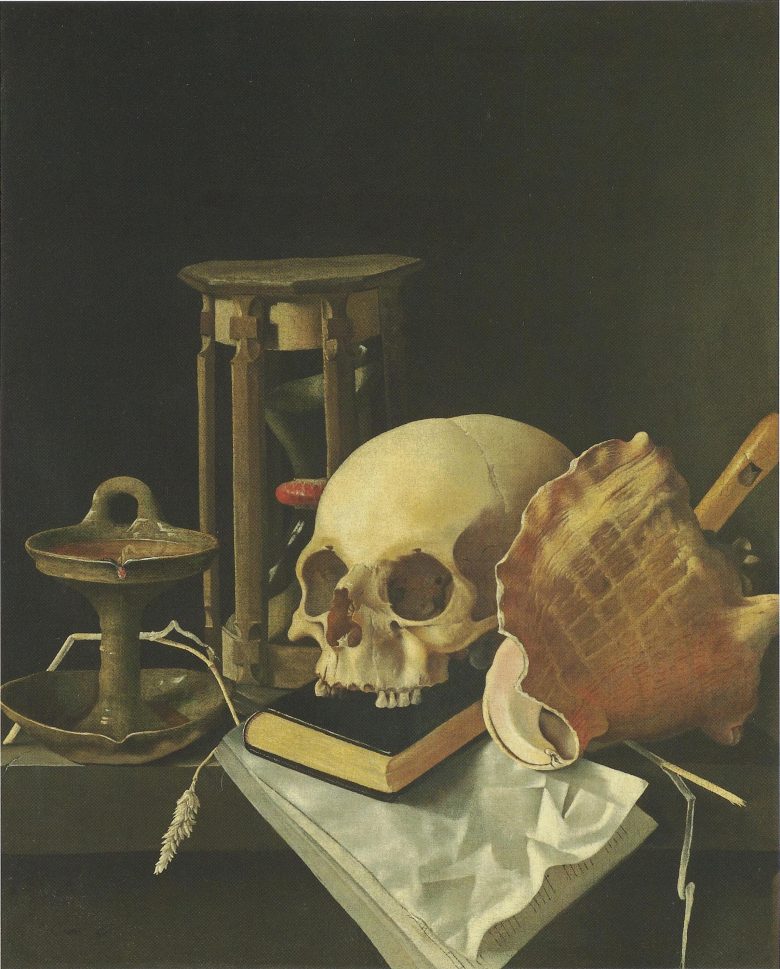
Man is the animal who dreams of being an angel. He can contemplate eternity, speak of God, write poetry, compose music, build cathedrals, and still be bound to bowels, bladder, hunger, sexual need, fatigue and decay. This contradiction lies at the centre of the human condition.
Euphemism, then, is one small way of managing that contradiction. We soften the word because we cannot quite bear the thing. But the habit does not stop with words. It points towards a deeper refusal. We do not merely soften words for the body; we try to soften the fact of embodiment itself.
We prefer to think of ourselves as spiritual beings temporarily inconvenienced by flesh, rather than animals whose intelligence has made their animal condition painful to contemplate.
Religion and idealist philosophy often begin at this point. They take the discomfort of embodiment and transform it into a dream of purification, ascent, release or return. The body becomes a prison, a veil, a test, a pilgrimage, or a temporary stain upon some purer reality. What began as a refusal to say the blunt word becomes, at its most elevated, a refusal to accept the blunt condition.
This impulse motivates much religious and idealist thought. The wish is not merely to explain the body, but to escape its final authority. Religion and idealist philosophy take the discomfort of embodiment and transform it into a dream of purification, ascent, release or return. The body becomes a prison, a veil, a test, a pilgrimage, or a temporary stain upon some purer reality. What began as a refusal to say the blunt word becomes, at its most elevated, a refusal to accept the blunt condition.
Shelley gives this impulse one of its most beautiful expressions in Adonais:
“Life, like a dome of many-coloured glass,
Stains the white radiance of Eternity,
Until Death tramples it to fragments.”
What begins as a problem of words foreshadows a problem of existence.
Shelley imagines eternity as pure white radiance, and life as coloured glass. Life gives form, variety and beauty, but also distortion. Death then breaks the glass and releases the radiance. It is a magnificent image, and a deeply revealing one. The body, personality, time and earthly experience become a temporary stain upon purity. Death becomes release.
But what if this is not truth, but idealism? What if the white radiance is the mind’s answer to the body’s humiliation? What if spirituality is the most elaborate euphemism of all: not a softened word for an unpleasant object, but a whole symbolic system by which we disguise our natural condition?
Spirituality has, of course, given form to grief and language to hope. It has restrained appetite and made suffering bearable. But it may also be humanity’s noblest evasion.
We are not pure mind, pure spirit or pure dignity. We are embodied creatures. We leak, smell, desire, suffer and fail. The body is the fact from which no philosophy, religion or poetry can finally free us.
Perhaps the harder wisdom is not escape, but acceptance. We may not be souls temporarily delayed on their journey back to radiance. We are cocooned like flies in the web of existence: wrapped in appetite, fear, pain, time and death, yet conscious enough to dream of radiance beyond the strands.
The task is not to tear away every veil. Some veils protect modesty and mercy. But when the veil becomes a substitute for truth, it must be questioned.
The body remains. The web remains. If there is radiance, it must be found here — not beyond our condition, but within it.