
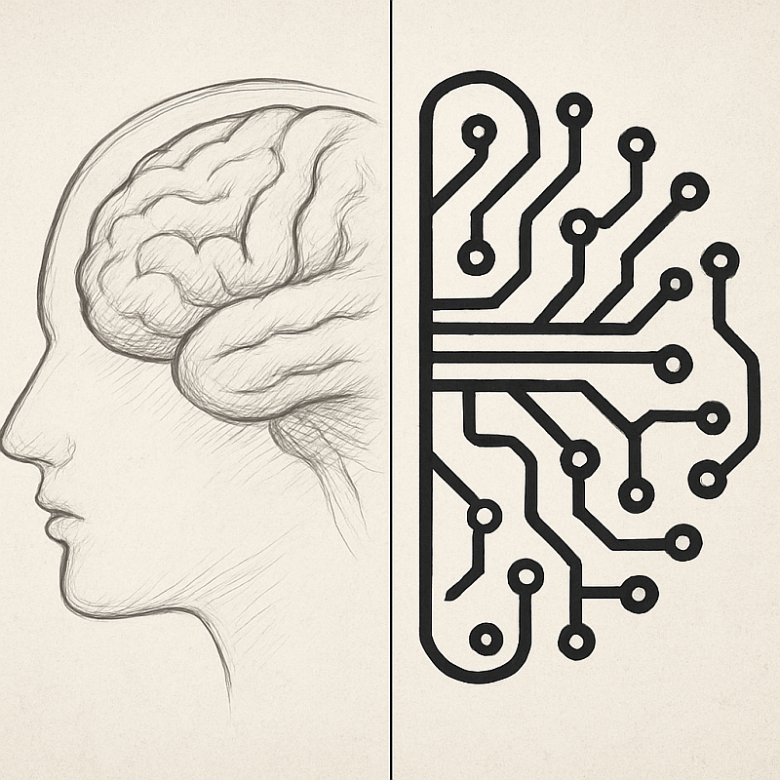
A visual reflection on the deepest difference between humans and AI: the human mind grows through experience and becomes itself over time, while AI arrives fully formed, pre-structured, and without a lived past. This split image captures the contrast between organic consciousness and engineered intelligence.

Eine persönliche Erinnerung an die Debattiergesellschaft einer englischen Schule führt zu einer grundsätzlichen Analyse: Debatte als Bildungsform bleibt in Großbritannien ein Privileg weniger. Der Text plädiert für einen neuen pädagogischen Humanismus, der moralische, bürgerliche und intellektuelle Bildung neu zusammendenkt.
A reflection on how debate in Britain has become the preserve of the few, leaving most pupils trained to perform rather than to think. Drawing on personal experience, it argues for a new educational humanism grounded in moral, civic and intellectual formation.

A sharp analysis of Gerald Grosz’s recent speech accusing Germany’s leaders of manufacturing fear to distract from domestic failures. This summary examines the speech’s claims, rhetorical strategies, emotional appeal, and weaknesses, showing how populist performances galvanise disillusioned voters while offering little balanced analysis. It explores why such messages resonate in today’s climate of distrust and political fragmentation.

From Roland at Roncevaux to Arthur of Camelot and Jesus of Galilee, history repeatedly grows into heroic myth. Small facts expand into symbols, and real lives acquire legendary afterlives. This aside explores how the process unfolds — and why some figures become cosmic.
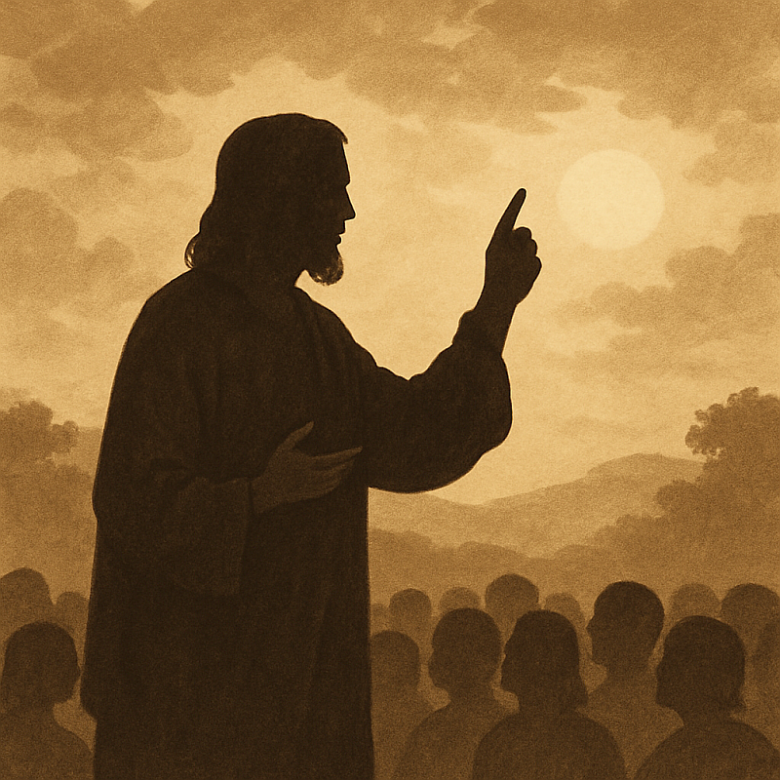
Jesus feels modern not because of theology, but because of his fearless moral clarity. Once we strip away the metaphysical layers, the radical teacher of the Synoptics emerges: a compassionate social philosopher who confronted wealth, hierarchy, exclusion, and fear. This article explores how the historical Jesus differs from the later “metaphysical Christ,” and why his vision still exposes the moral fault-lines of our own age.
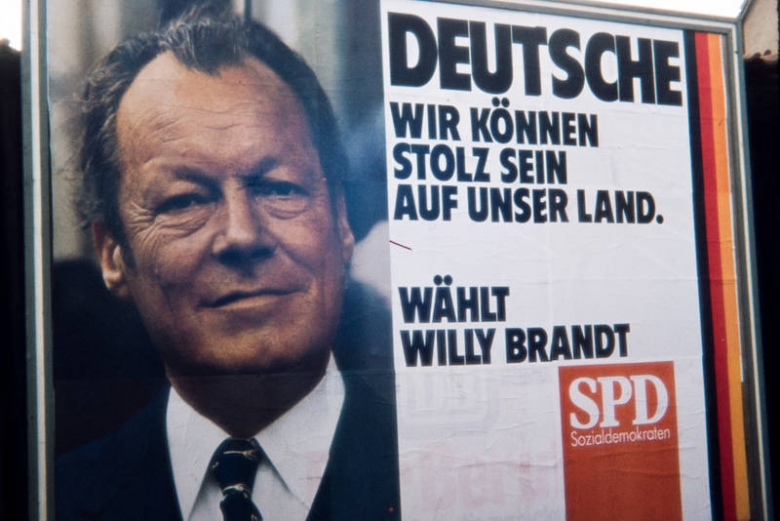
Ein englischer Lehrer erinnert sich an seine Schuljahre im Ruhrgebiet der 1970er Jahre — an eine Bildungslandschaft, die noch spürbar von Humboldt geprägt war: ernsthaft, strukturiert und getragen von einem gemeinsamen Verständnis von Bildung. Zugleich beschreibt er die Reformen, Spannungen und Veränderungen, die das deutsche Schulsystem seitdem geprägt haben. Eine persönliche, historisch sensible Reflexion über Kontinuität, Wandel und die Frage, wie viel vom alten Geist geblieben ist.
A personal and historical reflection on German education from Humboldt to the 1970s: the rigor of continual assessment, the dignity of the old Abitur, the rise of the Gesamtschule, and the slow erosion of standards in the late twentieth century. Seen through the eyes of an English teacher working in North Rhine-Westphalia, this article contrasts German seriousness with British drift and explores how a once-formidable system began to follow the comprehensive path already taken in the UK and the USA.

Vom Ideal der europäischen Einheit bis zur gegenwärtigen politischen Spannung: Dieser Essay verbindet Schiller und Beethoven mit den heutigen Herausforderungen der deutschen Demokratie. Er zeigt, wie die „Ode an die Freude“ Europas moralische Vision formte – und warum der Verlust des politischen Dialogs diese Vision heute bedroht.
From Schiller and Beethoven to the EU project, and from Steinmeier to the AfD, this essay explores how Germany’s cultural idealism once shaped Europe — and how today’s political tensions threaten the unity symbolised by the “Ode to Joy.” Dialogue, not exclusion, is the test of democratic confidence.