
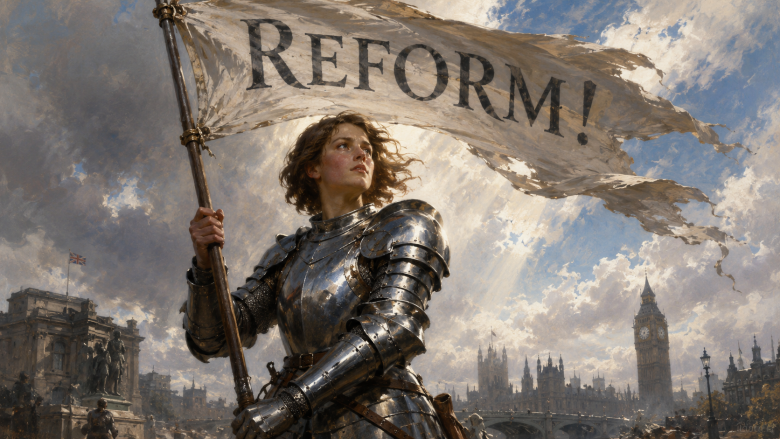
Reform may appear to offer rescue from the failures of Labour and the Conservatives, but no party can escape the hard arithmetic of modern Britain. Debt, ageing populations, public-service strain, defence costs, local decline, and voter impatience will confront whoever takes power. The politics of restoration is powerful when people despair, but history warns that promises of strength and renewal can disappoint — or become dangerous — when reality refuses to obey.
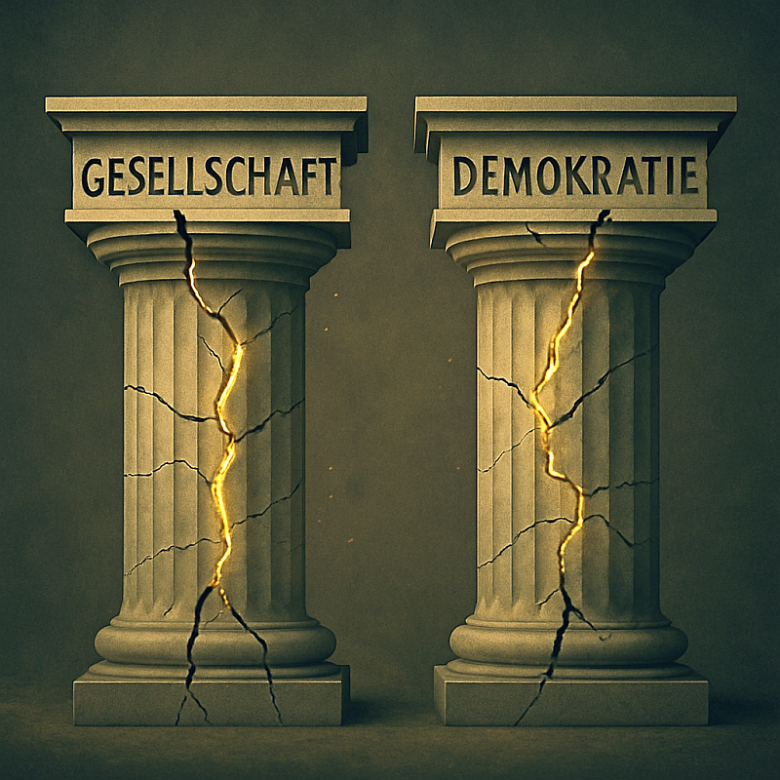
Public debate in Britain and Germany increasingly blames immigration for social and political strain. Yet most pressures—housing shortages, overstretched schools and hospitals, stagnant wages, declining neighbourhoods, and falling trust—began decades before recent migration waves. Immigration is not the cause of systemic weakness; it merely exposes it. This essay traces the deeper forces behind today’s instability: long-term underinvestment, the neoliberal shift since the 1980s, demographic ageing, bureaucratic rigidity, and the erosion of social cohesion. It also examines why parties like the AfD and Reform UK attract support—and why their rise reflects a democratic system struggling to correct itself.
Ein wachsender Teil der Bevölkerung in Deutschland und Großbritannien macht Migration für soziale und politische Spannungen verantwortlich. Doch bei näherem Hinsehen zeigt sich: Die meisten Probleme – Wohnungsnot, überlastete Schulen, lange Wartezeiten, stagnierende Löhne, bröckelnde Nachbarschaften – entstanden lange vor größeren Zuwanderungswellen. Migration verstärkt sie nur. Der eigentliche Kern der Krise liegt in jahrzehntelanger Unterinvestition, neoliberaler Politik seit den 1980er Jahren, der Erosion sozialer Infrastruktur und eines schwindenden Vertrauens in die Demokratie. Die AfD wird dadurch sowohl zum Symptom als auch zum Problem eines Systems, das weder Korrektur noch offene Diskussion zulässt.

Vom Ideal der europäischen Einheit bis zur gegenwärtigen politischen Spannung: Dieser Essay verbindet Schiller und Beethoven mit den heutigen Herausforderungen der deutschen Demokratie. Er zeigt, wie die „Ode an die Freude“ Europas moralische Vision formte – und warum der Verlust des politischen Dialogs diese Vision heute bedroht.
From Schiller and Beethoven to the EU project, and from Steinmeier to the AfD, this essay explores how Germany’s cultural idealism once shaped Europe — and how today’s political tensions threaten the unity symbolised by the “Ode to Joy.” Dialogue, not exclusion, is the test of democratic confidence.
A reflection on how satire and self-expression have evolved from the court jester to the YouTube commentator. In an age when anyone can speak with the authority of a king, emotion often replaces argument, and outrage becomes its own form of power.
A reflective essay responding to President Steinmeier’s 9 November 2025 speech on “defensive democracy,” arguing that moral exclusion by the political establishment now threatens democratic trust as surely as populist extremism.
In Bochum-Wattenscheid, the election of an AfD deputy mayor has triggered outrage, suspicion, and calls for his removal — a local drama that mirrors Europe’s wider fear of populism. This essay explores how inherited guilt, moral panic, and the urge to “defend democracy” can end up undermining it, turning freedom into ritual self-policing.
In the same week that Zohran Mamdani claimed victory as socialist mayor of New York and Alice Weidel denounced Germany’s government from the nationalist Right, both spoke with the same moral urgency about power, alienation, and decline. Beneath their opposing banners runs a shared frustration with elites and a longing for renewal. The tragedy of modern politics is that left and right are too busy defending their labels to work together on the changes both demand.
In Bochum-Wattenscheid, the election of an AfD councillor to a minor office has shaken Germany’s political establishment. Beneath the outrage lies a deeper problem: a democracy that no longer trusts its own processes. When dissent is suppressed in the name of safeguarding freedom, it is not extremism that threatens democracy, but fear itself.