
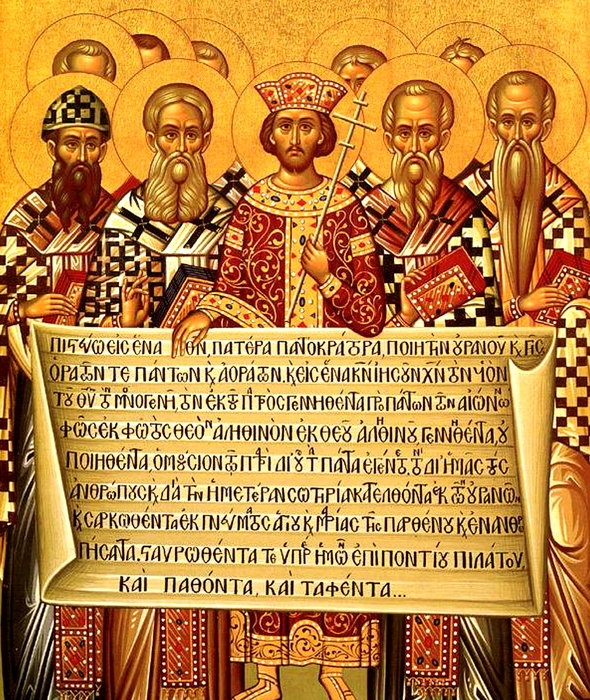
How did a Jewish teacher executed around 30 CE become, within a few centuries, the centre of an elaborate theology defining him as fully divine? This article follows the development from Paul and the Gospels through Marcion, Irenaeus, Arius, Athanasius, Constantine and the great councils of the fourth and fifth centuries.
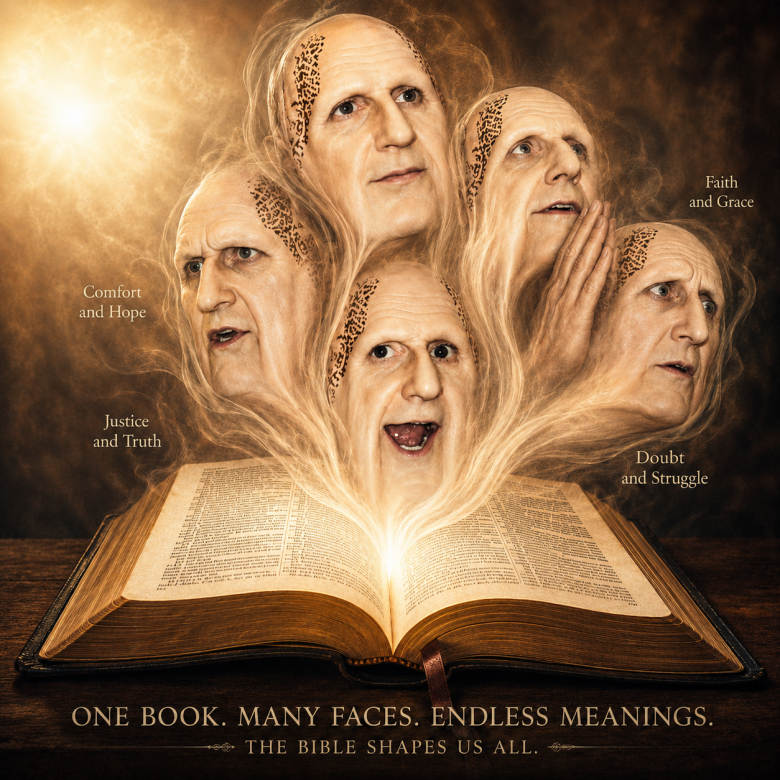
The Bible does not possess one unchanging historical meaning. Like law, politics and art, it is continually interpreted, selected and reshaped. Its special danger lies in the authority granted to those interpretations, which are often presented not as human judgments but as the unquestionable will of God.

This article reads Genesis in the light of older Mesopotamian material, including the Eridu Genesis, Atrahasis, Gilgamesh, and the Sumerian King List. It explores Eden, the serpent, cherubim, Yahweh, and the Psalms as part of a wider ancient Near Eastern world of memory, symbolism, guarded sacred space, and troubled divine-human relations.
A reflection on why many spiritually curious people avoid the Bible, not because they have read it closely, but because Christianity itself has made it appear dead, authoritarian, or morally compromised. The piece argues that the Bible, especially the Gospels, remains a work of great psychological, poetic, and spiritual depth.
Daniel Daddeh’s reading of the Lord’s Prayer is rhetorically clever, but spiritually false. What begins in the Gospels with “Thy” — thy name, thy kingdom, thy will — is quietly transformed into “My”: my desired state, my manifestation, my fulfilment. The result is not a recovery of Christian prayer, but a modern spirituality of acquisition dressed in biblical language.

Prayer is often understood as asking for things, but in the Gospels it appears as something quite different. It is not a means of control, but a moment of release — a stepping back from the self and a return to what is real. In prayer, one lets go, sees more clearly, and, however briefly, is set in the right direction.

A reflection on the psychological genius of the Gospel writers — not as supernatural scribes, but as master interpreters of Jewish symbolism and human interior life. This essay explores how living insight hardened into doctrine, how resurrection reshaped Christianity’s centre of gravity, and why the Gospels still endure as a call to inward transformation rather than metaphysical certainty.

Paul is often read as a theologian of sin, salvation, and cosmic order. Read instead as a moral psychologist and community ethicist, a different Paul emerges: perceptive about fear, ego, judgement, and love. This essay argues that his most enduring insights lie not in cosmology, but in his understanding of how fragile human communities survive — or fail.
Christianity began as fluid storytelling, not as a system of rules. Yet within four centuries, oral traditions hardened into authoritative texts used to define doctrine, regulate behaviour, and support imperial power. This essay traces how the Gospels moved from living memories of Jesus to instruments of governance, shaping the Church and the civilisation built around it.
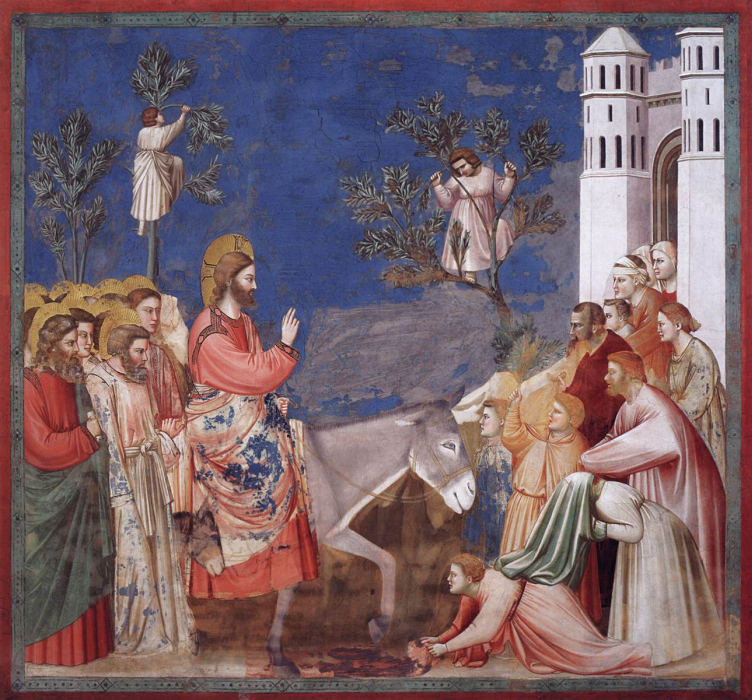
Jesus’ entry into Jerusalem on a donkey was not a triumph but a misfired symbol—an ironic gesture the crowds misunderstood and ultimately rejected. Beneath the Gospels’ later sanitising lies a teacher who defied the messianic expectations imposed on him, and whose authentic voice survives most clearly in his startling, poetic moral teaching.