

Christianity began as a Jewish messianic movement, not as the fully developed religion later enforced by Rome. This article traces how Jesus, the hoped-for deliverer of Israel, was transformed through resurrection belief, Pauline theology, Greek philosophy and imperial authority into the universal saviour of Christian orthodoxy.
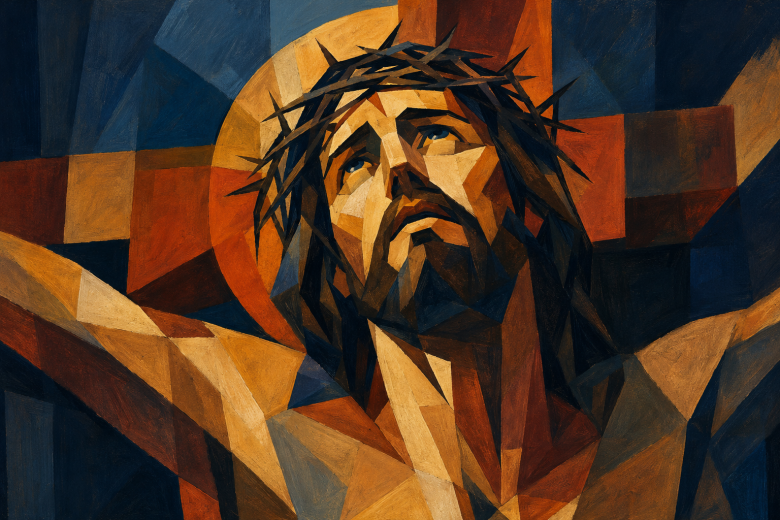
Christianity emerged from Jewish apocalyptic thought, transformed the execution of a Galilean preacher into a universal drama of sacrifice and salvation, and eventually became the intellectual framework of Europe. This article traces that development from Enoch and Qumran to Paul, orthodoxy and the “mind-forg’d manacles” left behind.

This article traces how the resurrection tradition evolved from Paul’s visionary experiences into the richly embellished narratives of the Gospels and Acts—and how this shift transformed Christianity from Jesus’ present-centred ethic into a religion of afterlife, obedience, and institutional power. By examining how “Christ” and resurrection became Christianity’s twin stars, it shows how orthodoxy displaced the simple, existential message of Jesus with a metaphysical system built around death, reward, and control.