

A comparative overview of nineteenth-century Europe, examining how Britain, France, Germany, Italy, Spain and Portugal followed different paths through industrialisation, revolution, nationalism, social change and the growth of the modern state.

A reflection on Brexit, sovereignty, and the failure to turn self-government into national renewal. The article argues that leaving the European Union only matters if sovereignty is used responsibly: to rebuild food security, water, energy, housing, industry, education, environmental protection, and public welfare. It also warns that sovereignty can become dangerous if power simply passes from Brussels to Westminster, Whitehall, surveillance systems, and digital identity schemes.

Reform may appear to offer rescue from the failures of Labour and the Conservatives, but no party can escape the hard arithmetic of modern Britain. Debt, ageing populations, public-service strain, defence costs, local decline, and voter impatience will confront whoever takes power. The politics of restoration is powerful when people despair, but history warns that promises of strength and renewal can disappoint — or become dangerous — when reality refuses to obey.

Labour’s local-election defeat was not merely a bad set of results. It exposed a deeper loss of trust: over taxation, pensions, welfare, policing, immigration, digital ID, Gaza, and the everyday condition of Britain’s towns and cities. The phrase “mistakes were made” is no longer enough. Voters want to know who made them, why they were made, and whether the party has understood the scale of its estrangement from the country.

European history can be read as a long migration of power — from church and crown to parliaments, and now to systems that have no face and no voice. Once exercised openly through command and coercion, authority today works quietly, through incentives, obligations, and invisible thresholds that shape everyday life. Democracy remains in form, but power increasingly resides elsewhere, managed beyond the reach of popular consent.
In both Germany and Britain, democracy still exists in form — but increasingly less in substance. As politics becomes more managerial and moralised, public trust erodes and genuine debate narrows. This essay reflects on Friedrich Merz and Keir Starmer as figures of a wider transformation: the quiet shift from democratic participation to administered consent, and the growing danger of a society in which freedom survives only in name.
In Deutschland wie in Großbritannien existiert Demokratie weiterhin in ihrer äußeren Form – doch ihr innerer Gehalt erodiert zunehmend. Während Politik immer stärker verwaltet und moralisch aufgeladen wird, schwindet das Vertrauen der Bürger, und der Raum für echte Auseinandersetzung verengt sich. Der Essay betrachtet Friedrich Merz und Keir Starmer als Ausdruck dieser Entwicklung und fragt, was geschieht, wenn Demokratie mehr verwaltet als gelebt wird.
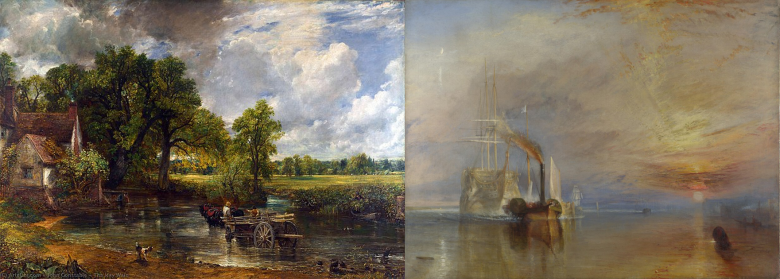
AI inspires both excitement and fear, yet the real danger lies not in the intelligence of the machine but in human abdication—of judgement, of freedom, and of responsibility. This article explores the creative potential of AI, the new Luddism, and the deeper political risks of surveillance and control. The window for open inquiry is narrowing; now is the moment to think clearly.

A reflection on how broadcasting has shifted from its original public mission — to inform, to educate, to entertain — into a marketplace driven by attention, emotion, and confirmation. From medieval town criers to the BBC, from early newspapers to today’s partisan media, the thirst for drama and validation has always shaped the news. This essay asks what broadcasting is now for, why audiences gravitate toward outrage and simplicity, and why I write without seeking approval — letting my thoughts exist, like Shakespeare’s sonnet, for those who may one day find them.
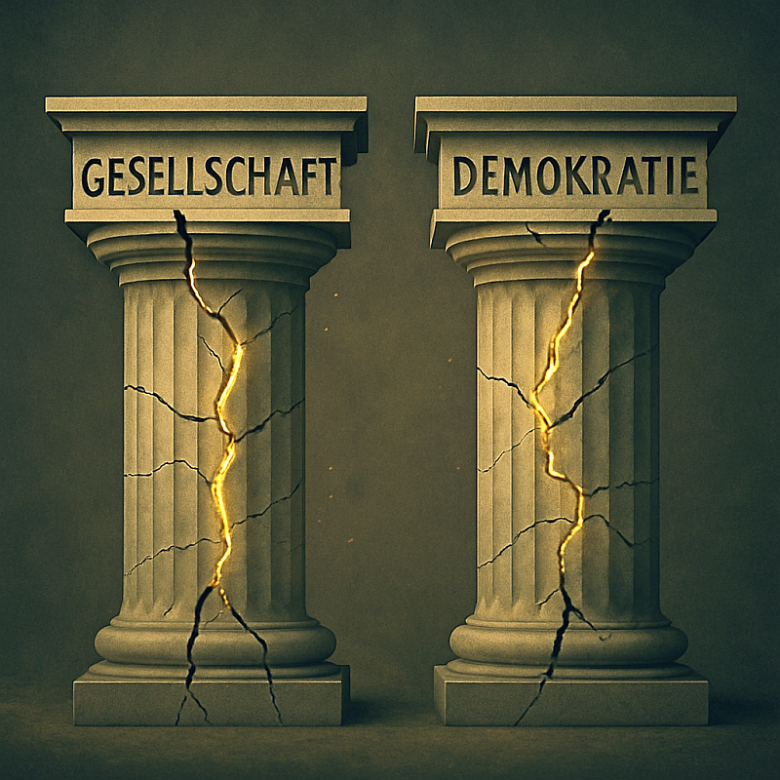
Public debate in Britain and Germany increasingly blames immigration for social and political strain. Yet most pressures—housing shortages, overstretched schools and hospitals, stagnant wages, declining neighbourhoods, and falling trust—began decades before recent migration waves. Immigration is not the cause of systemic weakness; it merely exposes it. This essay traces the deeper forces behind today’s instability: long-term underinvestment, the neoliberal shift since the 1980s, demographic ageing, bureaucratic rigidity, and the erosion of social cohesion. It also examines why parties like the AfD and Reform UK attract support—and why their rise reflects a democratic system struggling to correct itself.