Pink Floyd gave musical form to the anxieties of modern society: conformity, surveillance, war, education, commerce, madness and isolation. Their music reached millions through its atmosphere, virtuosity and emotional force; their words, for those who attended to them, offered a bleak diagnosis of a civilisation whose machinery shapes human beings while calling the process progress. Yet Pink Floyd offered no cure. Their criticism remained inside the system it condemned, leaving the listener to decide what responsibility should follow recognition.
The *Janet and John* books are now criticised for their lack of diversity, but their more serious weakness was educational. The look-and-say method encouraged children to memorise whole words instead of learning systematically how letters represent sounds. For some baby boomers, the consequences may have lasted a lifetime.

Teaching is often presented as a helping profession, but goodwill is not enough. A classroom is not the army, but neither is it a therapy circle. This article argues that prospective teachers need more than method, empathy, and good lesson plans: they need the temperament to exercise authority, enforce standards, and make teaching possible.
Rousseau’s Émile confronts an uncomfortable truth: human beings are shaped long before they are capable of judgement or resistance. Social constraint precedes understanding, and autonomy arrives late, already burdened by what has gone before. This essay examines Rousseau’s attempt to manage that problem through education, its paradoxes and limits, and why return and revision are possible — but reset is not.
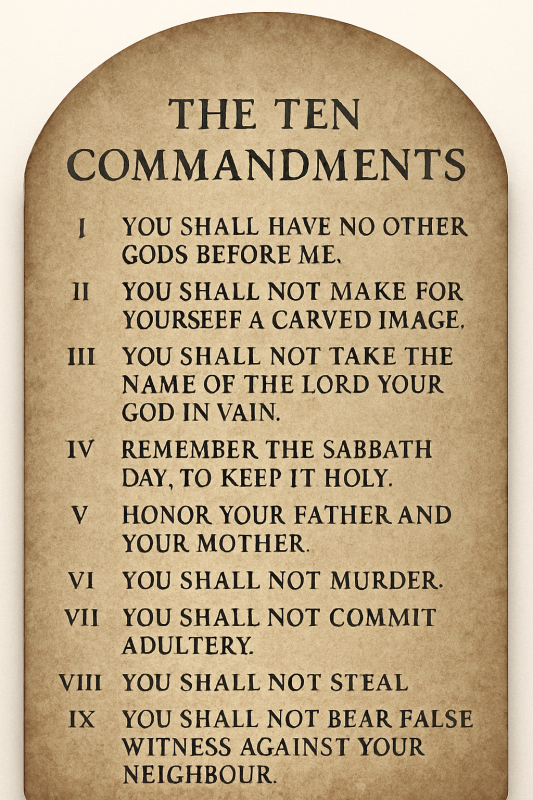
A reflection on how Europe might rediscover a shared moral centre without enforcing religious uniformity. Using Jesus’ ethic as one integrative voice among many, this piece explores innate moral capacities, cultural modelling, and the creative–destructive axis at the heart of human behaviour. Includes scientific notes and two asides on moral development and plural ethics.
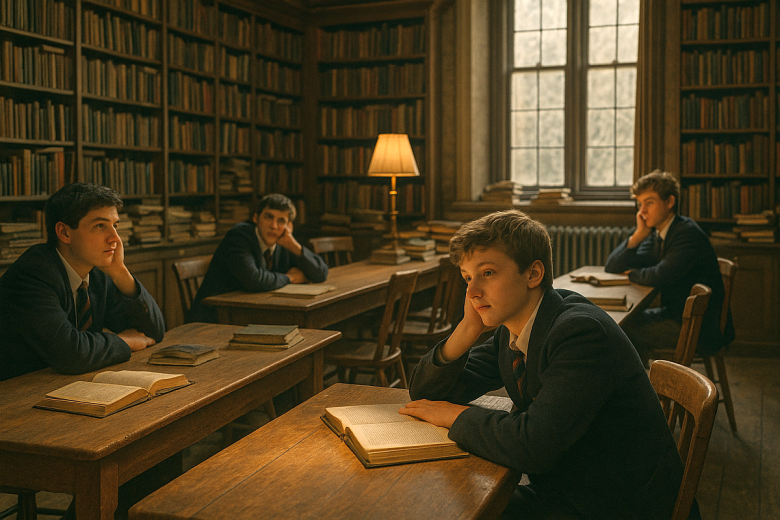
A reflection on how debate in Britain has become the preserve of the few, leaving most pupils trained to perform rather than to think. Drawing on personal experience, it argues for a new educational humanism grounded in moral, civic and intellectual formation.

A personal and historical reflection on German education from Humboldt to the 1970s: the rigor of continual assessment, the dignity of the old Abitur, the rise of the Gesamtschule, and the slow erosion of standards in the late twentieth century. Seen through the eyes of an English teacher working in North Rhine-Westphalia, this article contrasts German seriousness with British drift and explores how a once-formidable system began to follow the comprehensive path already taken in the UK and the USA.
A reflective essay on how early patterns of love and fear shape adult life. From Hemingway and D. H. Lawrence to the words of Jesus, it explores how we learn courage, how dependence becomes maturity, and how the “kingdom of heaven within” points to self-knowledge rather than belief.
Modern schooling does little to help children discover what moves them or what they might live for. The timetable is full, the spirit empty. Passion, curiosity, and imagination — those inner resources that make learning joyful — are treated as optional extras. Since the 1990s, legislation and professional fear have drained warmth from classrooms; teachers now perform roles rather than form relationships. The result is an education system that functions but no longer inspires — a wall between intellect and soul.
A reflection on how Britain’s independent schools and social hierarchies mirror one another—each a compartment where people learn the codes of belonging that keep them exactly where they are.