
Joshua’s declaration, “As for me and my house, we will serve YHWH,” comes from a religious world very different from the universal, philosophical conception of God found in Acts 17. How did the national god of Israel become identified with the all-loving, all-merciful God of later Christianity?
Jesus’ teaching about death and resurrection did not emerge in isolation. He was a man of his time, taking part in a vigorous Jewish debate shaped by apocalyptic expectation, Greek thought and conflicting ideas about the fate of the dead.
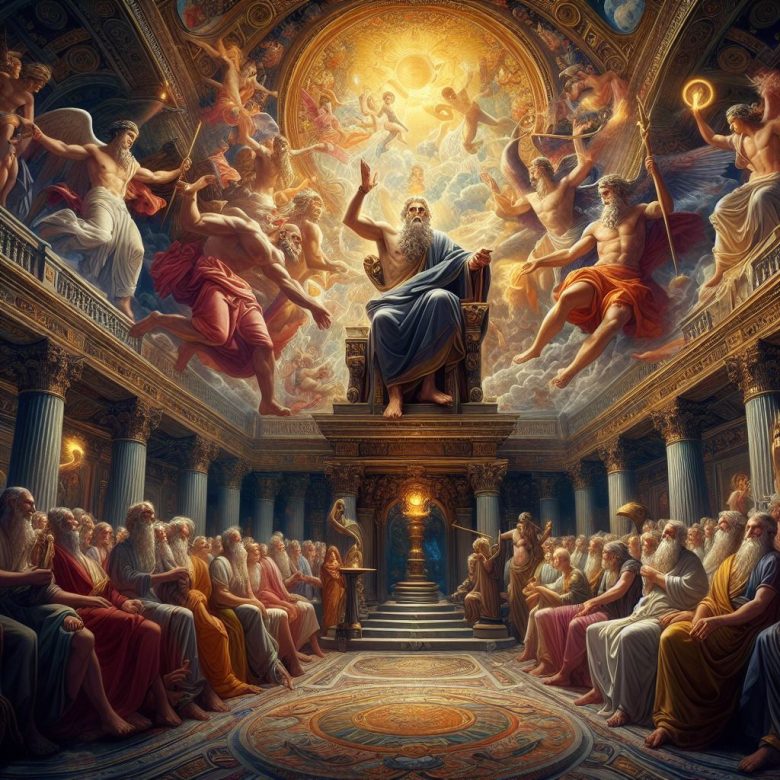
What if the ancient accounts of creation, divine councils and the gods who governed mankind preserve more than myth? This article compares Psalm 82, Genesis, the Enūma Eliš, the Sumerian King List and the later shaping of the Old Testament to ask whether humanity’s origins—and its troubled relationship with its creators—may have been remembered in distorted form.