
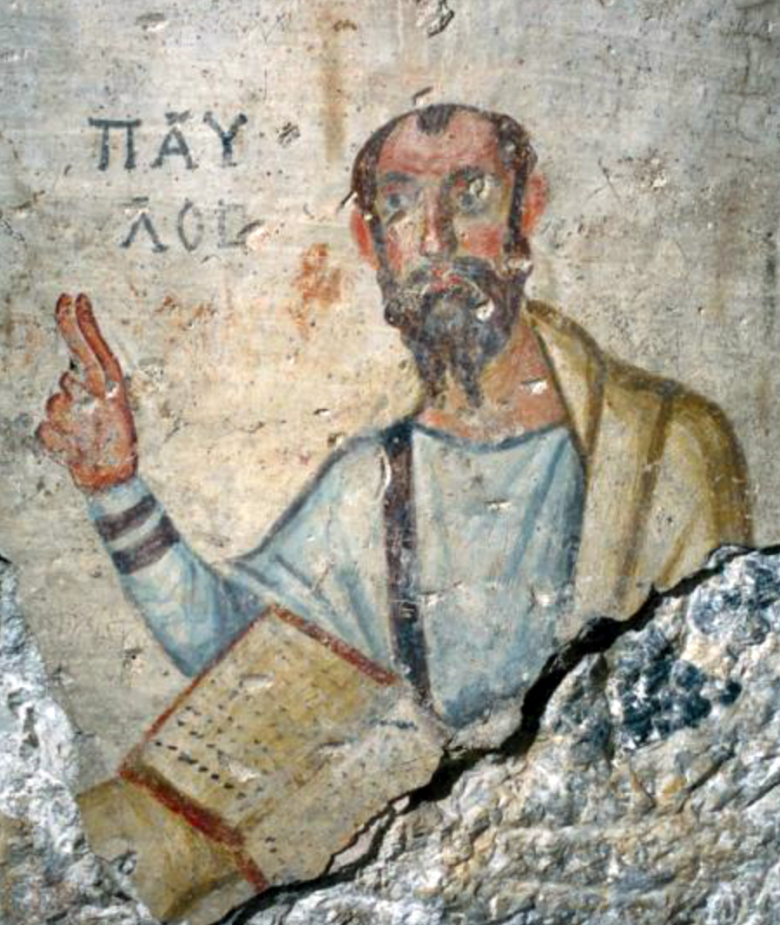
The earliest Christian movement began as a Jewish proclamation that God had raised the crucified Jesus, exalted him as Messiah and Lord, and would soon send him back to complete the kingdom. Over the following centuries, theologians and councils transformed that narrative faith into a detailed metaphysical system defining the Trinity, the nature of Christ and the boundaries of orthodoxy. The resulting Christianity was recognisably descended from the earliest Jesus movement, but it was no longer identical with it.
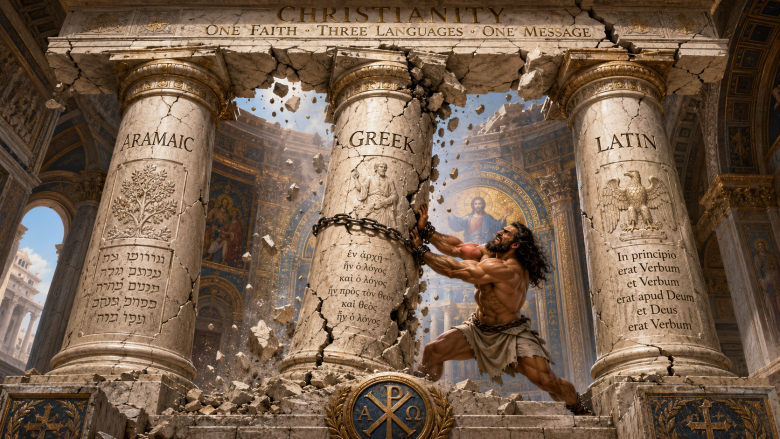
Christianity did not emerge fully formed from the teaching of Jesus. It developed through three linguistic and intellectual worlds: Aramaic preserved its Jewish origins, Greek transformed the remembered teacher into a universal theological figure, and Latin organised the faith through doctrine, law and institutional authority.
A reflection on Jesus, Paul, and the problem of dogma. Against original sin and externalised divinity, this essay argues that nurturing human potential and living within mystery are more important than rigid belief.