
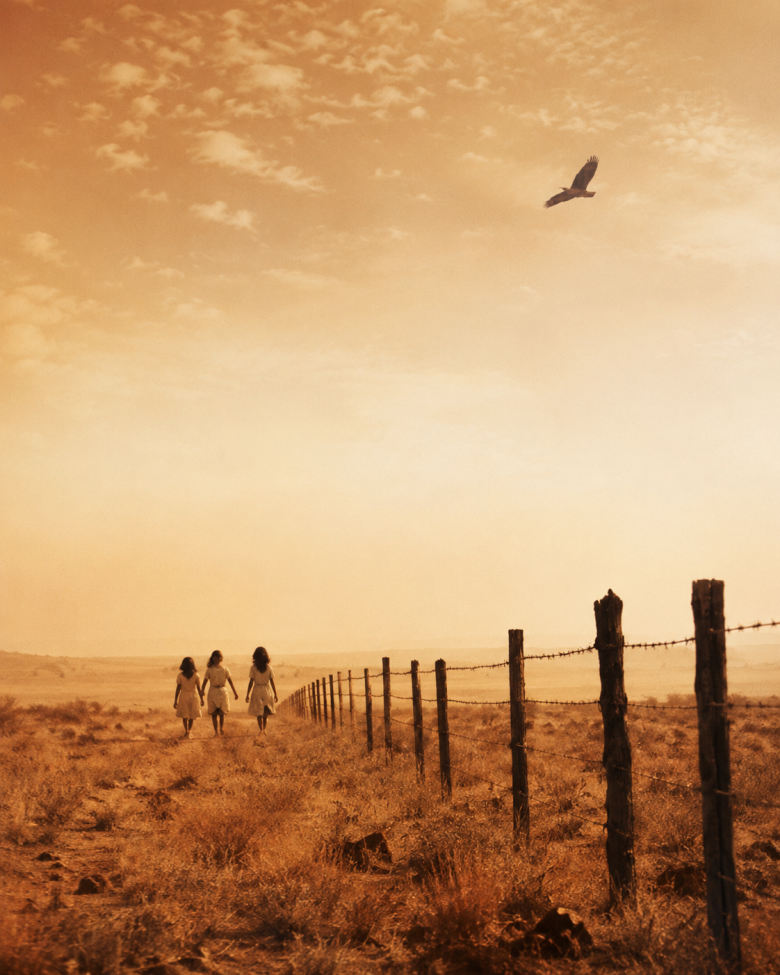
The exhibition became more than an encounter with Aboriginal art. It prompted a reflection on land, possession, mortality and the brief intensity of human existence beneath forces we neither own nor command. Sol Invictus—the unconquered sun—became the image of that vast order: indifferent to fences, empires and claims of permanence, yet illuminating the fleeting instant in which life acquires meaning.

A private spiritual reflection on the inward altar of the soul, the beauty of silence, worship as joy and gratitude, and the ancient psalmic recognition that existence — God — was before us. The piece links personal inward awareness with Psalm 19, Psalm 8, and the humility of knowing that we are not first, but secondary.
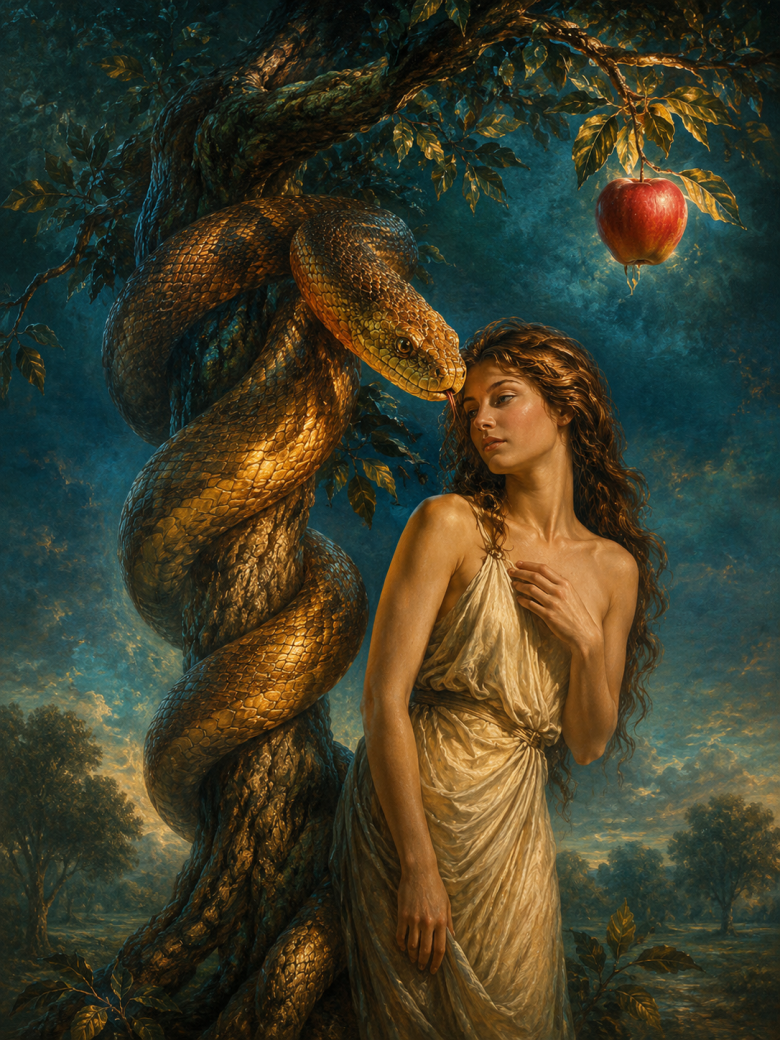
This article reads Genesis in the light of older Mesopotamian material, including the Eridu Genesis, Atrahasis, Gilgamesh, and the Sumerian King List. It explores Eden, the serpent, cherubim, Yahweh, and the Psalms as part of a wider ancient Near Eastern world of memory, symbolism, guarded sacred space, and troubled divine-human relations.
In an age of acceleration, it is easy to feel overwhelmed by civilisational fragility and ecological strain. Yet the decisive question may not be whether history declines, but whether individuals maintain their orientation toward reverence and responsibility. Even small acts of care — leaving a place better than we found it — become expressions of fidelity in a high-energy world.
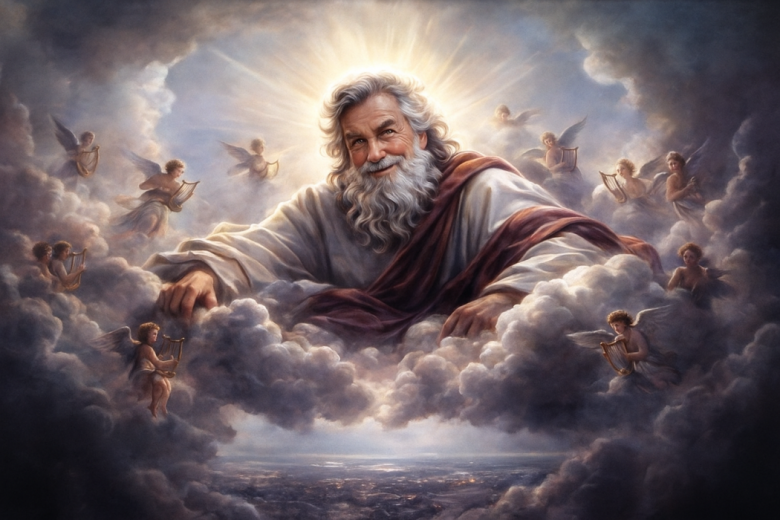
A critical yet sympathetic exploration of the Bible as a multi-voiced historical library, from Covenant and exile to Jesus and Paul, Constantine, and modern secular collapse — concluding that Scripture still offers profound value when read metaphorically as a mirror of the human psyche rather than a literal divine manual.
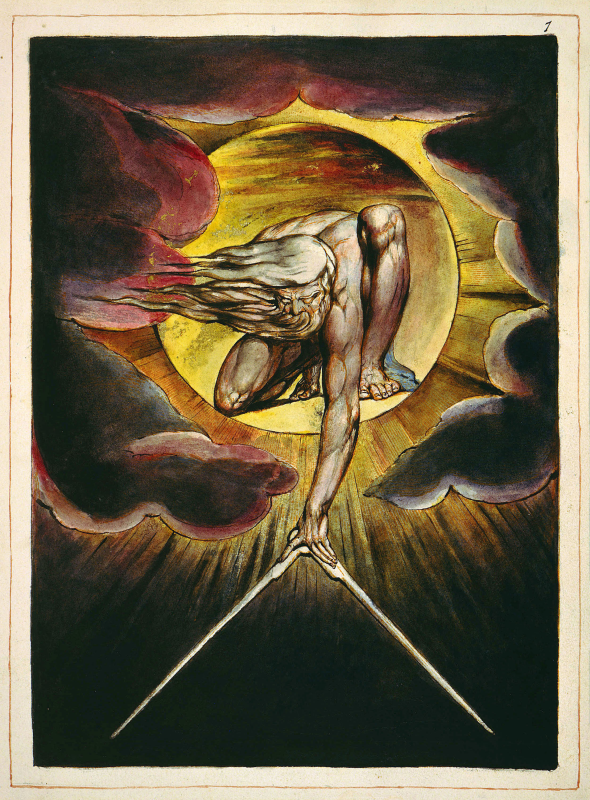
The Psalms are not records of divine weather but maps of the inner life. They describe the movement from turmoil to alignment, from fear to clarity, from fragmentation to the rediscovery of the unchanging centre of our being. Read inwardly, the Psalms become the earliest psychological texts of the Western world — a guide to the resonance between consciousness, creation, and the inner God who steadies us when we have nothing left to give.
From the fading ink of Qumran to the fragility of the digital cloud, this essay traces how sacred texts have been copied, preserved, and transformed across centuries. From the Masoretes and the Tetragrammaton to modern translators and digital archivists, it explores what truly keeps the Word alive: not the medium, but the human will to remember and renew it.
A psalm of confidence and joy in God’s protection. The speaker trusts in the Lord as his portion and inheritance, finds guidance and gladness in His presence, and expresses hope of life beyond corruption.
A psalm describing the qualities of the righteous person who may dwell with God: integrity of life, truth in speech, justice in action, and purity in dealings. Those who live blamelessly, without deceit or greed, shall never be shaken.
A psalm exposing human corruption and folly: “The fool has said in his heart, there is no God.” Yet even amid disbelief and moral decay, God watches from heaven, seeking understanding hearts. The psalm closes in hope — that salvation will come from Zion and the people will rejoice again.