
Christianity began as a Jewish messianic movement, not as the fully developed religion later enforced by Rome. This article traces how Jesus, the hoped-for deliverer of Israel, was transformed through resurrection belief, Pauline theology, Greek philosophy and imperial authority into the universal saviour of Christian orthodoxy.
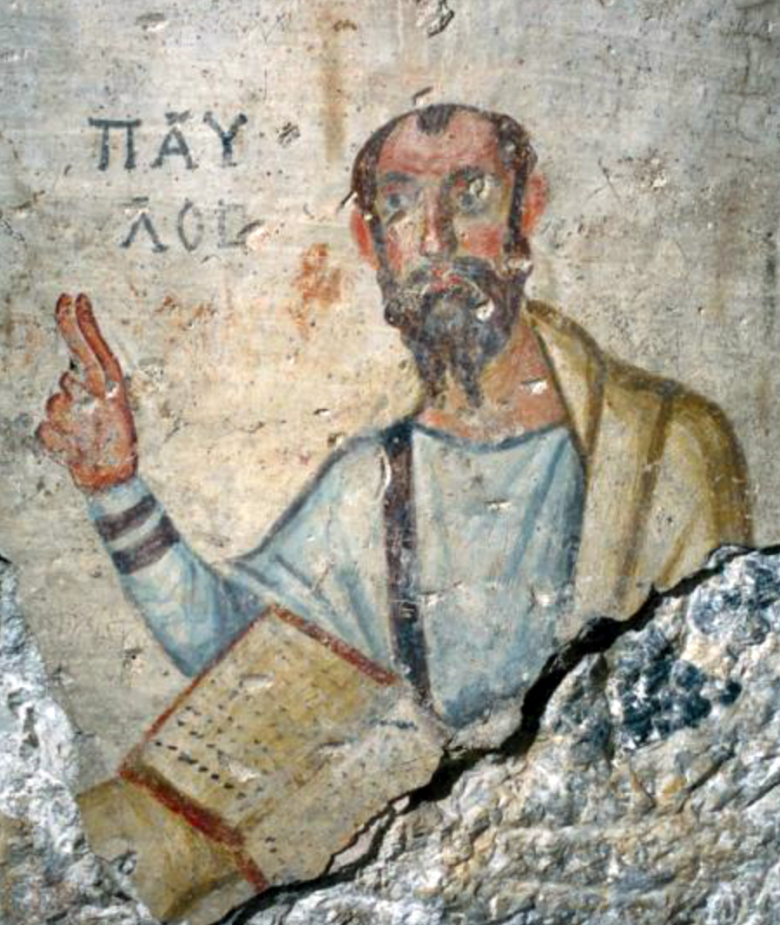
The earliest Christian movement began as a Jewish proclamation that God had raised the crucified Jesus, exalted him as Messiah and Lord, and would soon send him back to complete the kingdom. Over the following centuries, theologians and councils transformed that narrative faith into a detailed metaphysical system defining the Trinity, the nature of Christ and the boundaries of orthodoxy. The resulting Christianity was recognisably descended from the earliest Jesus movement, but it was no longer identical with it.

Christianity may be historically doubtful and institutionally distorted, yet it preserves ancient mysteries of sacrifice, renewal, death, reconciliation and transformation. Are these recurring themes merely products of the human mind, or echoes of something humanity once encountered?
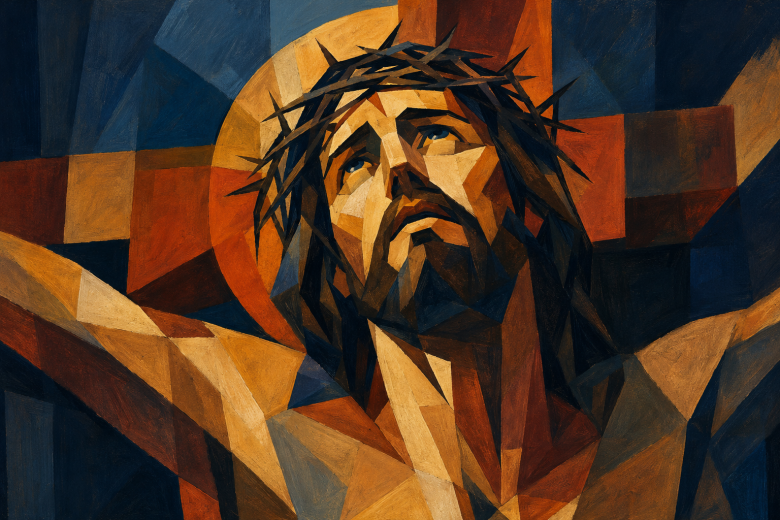
Christianity emerged from Jewish apocalyptic thought, transformed the execution of a Galilean preacher into a universal drama of sacrifice and salvation, and eventually became the intellectual framework of Europe. This article traces that development from Enoch and Qumran to Paul, orthodoxy and the “mind-forg’d manacles” left behind.

Religious stories endure because they give form to possibilities already present within the human mind. At their best, they celebrate humanity’s potential for compassion, courage, sacrifice, forgiveness and care for the vulnerable. Their distortion begins when metaphor is converted into history, archetype into supernatural fact and human insight into divine commandment. We need not eradicate these patterns, even if that were possible. We need to understand them and allow them to serve life without submitting to the doctrines built upon them.
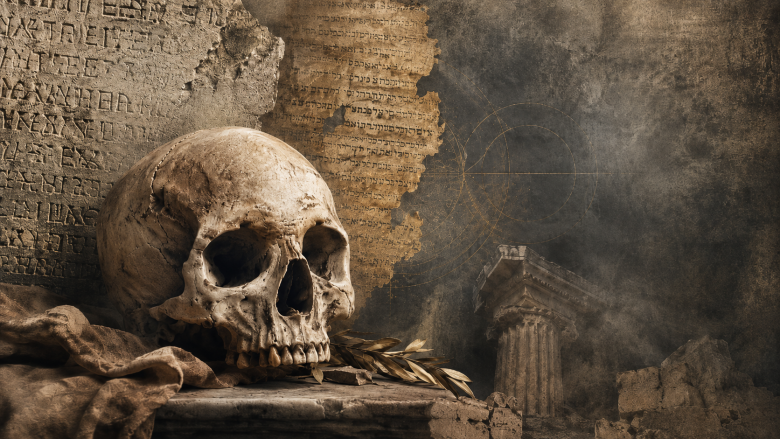
Jesus’ teaching about death and resurrection did not emerge in isolation. He was a man of his time, taking part in a vigorous Jewish debate shaped by apocalyptic expectation, Greek thought and conflicting ideas about the fate of the dead.
Descartes’ famous “I think, therefore I am” opens onto a deeper human problem: we know that we are alive, and therefore we know that we shall die. Religion, resurrection, reincarnation, and judgement are all attempts to answer the wound of self-conscious mortality. But perhaps the most honest conclusion is that the self is unfinished — and that we may only come this way once.
A psalm of confidence and joy in God’s protection. The speaker trusts in the Lord as his portion and inheritance, finds guidance and gladness in His presence, and expresses hope of life beyond corruption.
Resurrection can be read not only as a past event but as a symbol of awakening. The risen Christ becomes the image of consciousness itself — light overcoming darkness, fear giving way to awareness, union with the life already present within and around us.