
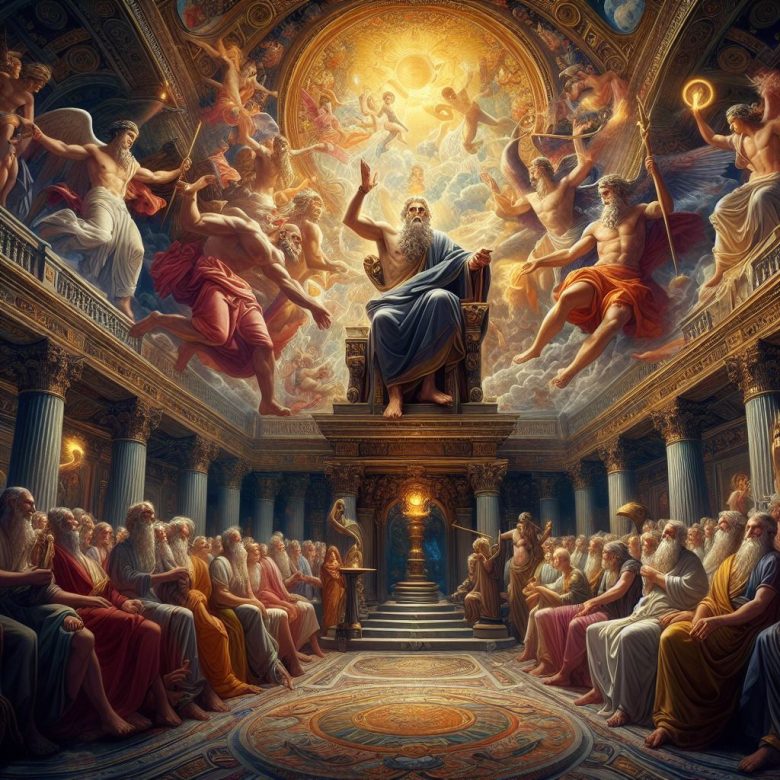
What if the ancient accounts of creation, divine councils and the gods who governed mankind preserve more than myth? This article compares Psalm 82, Genesis, the Enūma Eliš, the Sumerian King List and the later shaping of the Old Testament to ask whether humanity’s origins—and its troubled relationship with its creators—may have been remembered in distorted form.
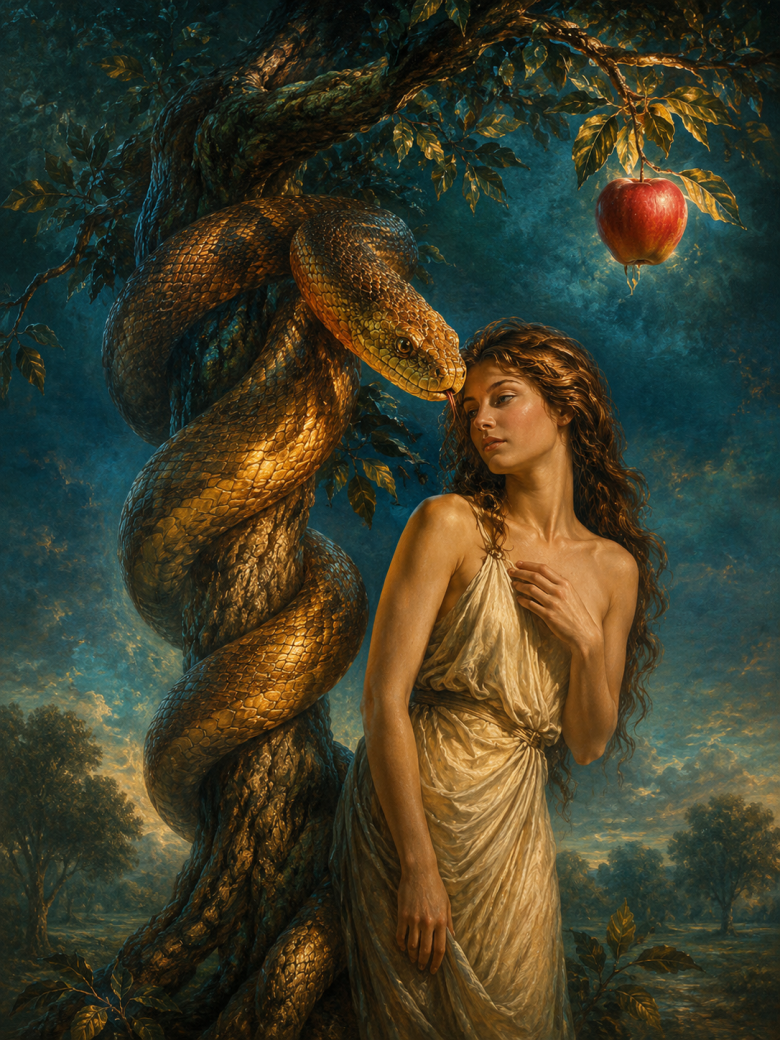
This article reads Genesis in the light of older Mesopotamian material, including the Eridu Genesis, Atrahasis, Gilgamesh, and the Sumerian King List. It explores Eden, the serpent, cherubim, Yahweh, and the Psalms as part of a wider ancient Near Eastern world of memory, symbolism, guarded sacred space, and troubled divine-human relations.