
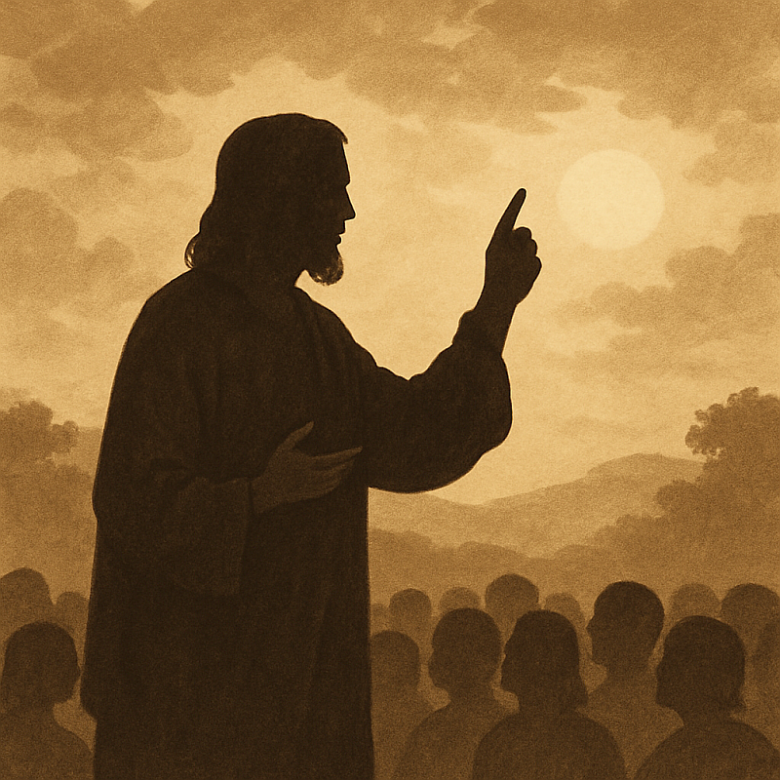
Jesus feels modern not because of theology, but because of his fearless moral clarity. Once we strip away the metaphysical layers, the radical teacher of the Synoptics emerges: a compassionate social philosopher who confronted wealth, hierarchy, exclusion, and fear. This article explores how the historical Jesus differs from the later “metaphysical Christ,” and why his vision still exposes the moral fault-lines of our own age.

Ein englischer Lehrer erinnert sich an seine Schuljahre im Ruhrgebiet der 1970er Jahre — an eine Bildungslandschaft, die noch spürbar von Humboldt geprägt war: ernsthaft, strukturiert und getragen von einem gemeinsamen Verständnis von Bildung. Zugleich beschreibt er die Reformen, Spannungen und Veränderungen, die das deutsche Schulsystem seitdem geprägt haben. Eine persönliche, historisch sensible Reflexion über Kontinuität, Wandel und die Frage, wie viel vom alten Geist geblieben ist.
A personal and historical reflection on German education from Humboldt to the 1970s: the rigor of continual assessment, the dignity of the old Abitur, the rise of the Gesamtschule, and the slow erosion of standards in the late twentieth century. Seen through the eyes of an English teacher working in North Rhine-Westphalia, this article contrasts German seriousness with British drift and explores how a once-formidable system began to follow the comprehensive path already taken in the UK and the USA.

Vom Ideal der europäischen Einheit bis zur gegenwärtigen politischen Spannung: Dieser Essay verbindet Schiller und Beethoven mit den heutigen Herausforderungen der deutschen Demokratie. Er zeigt, wie die „Ode an die Freude“ Europas moralische Vision formte – und warum der Verlust des politischen Dialogs diese Vision heute bedroht.
From Schiller and Beethoven to the EU project, and from Steinmeier to the AfD, this essay explores how Germany’s cultural idealism once shaped Europe — and how today’s political tensions threaten the unity symbolised by the “Ode to Joy.” Dialogue, not exclusion, is the test of democratic confidence.
Exsultate Deo adjutori nostro Versus 1 Exsultate Deo adjutori nostro; jubilate Deo Jacob.Rejoice in God our helper; shout with joy to the God of Jacob. Word Notes: Versus 2 Sumite psalmum, et date tympanum; psalterium jucundum cum cithara.Take up the psalm, and bring the tambourine; the pleasant psaltery with the harp. Word Notes: Versus 3 …
Qui regis Israel, intende Versus 1 Qui regis Israel, intende, qui deducis velut ovem Joseph; qui sedes super cherubim, appare coram Ephraim, Benjamin et Manasse.You who rule Israel, give ear — you who lead Joseph like a flock; you who sit upon the cherubim, shine forth before Ephraim, Benjamin, and Manasseh. Word Notes: Versus 2 …
Deus, venerunt gentes in hereditatem tuam Versus 1 Deus, venerunt gentes in hereditatem tuam; polluerunt templum sanctum tuum, posuerunt Jerusalem in pomorum custodiam.O God, the nations have entered your inheritance; they have defiled your holy temple and made Jerusalem a heap of ruins. Word Notes: Versus 2 Posuerunt morticina servorum tuorum escas volatilibus caeli, carnes …
Attendite, popule meus, legem meam Versus 1 Attendite, popule meus, legem meam; inclinate aurem vestram in verba oris mei.Give ear, my people, to my law; incline your ears to the words of my mouth. Word Notes: Versus 2 Aperiam in parabolis os meum; loquar propositiones ab initio.I will open my mouth in parables; I will …
Voce mea ad Dominum clamavi Versus 1 Voce mea ad Dominum clamavi, voce mea ad Deum, et intendit mihi.With my voice I cried to the Lord, with my voice to God, and he listened to me. Word Notes: Versus 2 In die tribulationis meae Deum exquisivi; manibus meis nocte contra eum, et non sum deceptus.In …