
A reflection on Romantic idealism, modern technocracy, and the enduring belief that systems which cause harm can somehow repair themselves. From Shelley and Keats to contemporary cybernetic faith, this essay traces a continuous thread: the hope that optimisation can replace moral reckoning — and why that hope repeatedly fails.
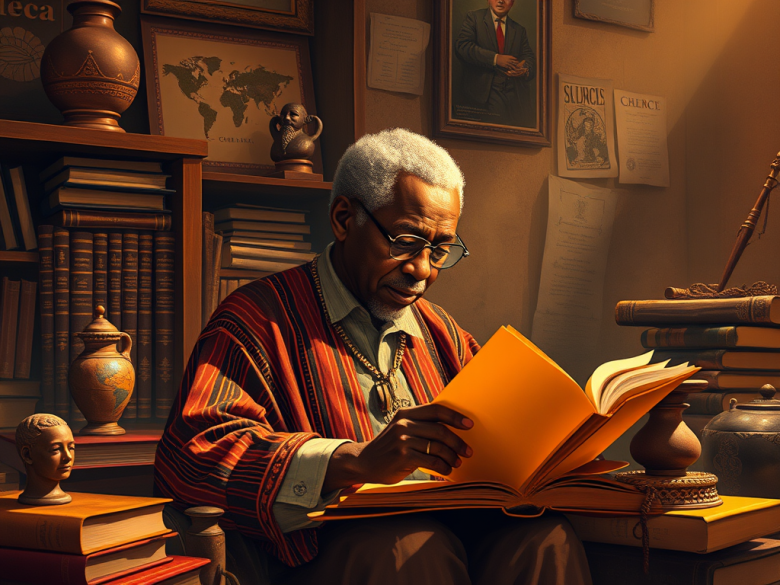
A reflection on war, monumentality, and the Western obsession with defeating death. From Babylon and Assyria to modern medicine and ideology, the drive to preserve life quantitatively has often displaced a deeper celebration of life itself.
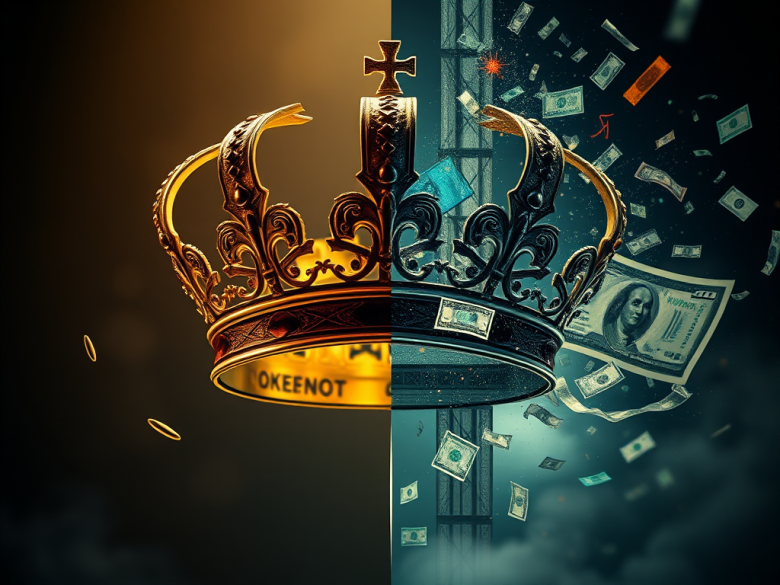
European history can be read as a long migration of power — from church and crown to parliaments, and now to systems that have no face and no voice. Once exercised openly through command and coercion, authority today works quietly, through incentives, obligations, and invisible thresholds that shape everyday life. Democracy remains in form, but power increasingly resides elsewhere, managed beyond the reach of popular consent.
This essay explores a recurring tension at the heart of human spirituality: the difference between lived experience and the doctrines built upon it. Moments of beauty, awe, or insight can be deeply real and transformative, yet they become dangerous when reinterpreted as universal truths or moral imperatives. Drawing on Augustine, the Psalms, Quakerism, the hermit tradition, and Ecclesiastes, the discussion traces how inner experience is repeatedly hardened into authority—how insight becomes doctrine, and meaning becomes coercion. Against this, a quieter wisdom emerges: one that values attentiveness over certainty, presence over explanation, and humility over control. Rather than rejecting spirituality, the essay argues for holding it lightly—recognising that depth is real, but cannot be owned, enforced, or systematised without distortion. What endures is not belief, but the capacity to remain open, grounded, and human.
A retelling of twenty foundational Greek myths, read not as entertaining fables but as early attempts to understand the origins of civilisation itself. From chaos and creation to law, hubris, restraint, and social order, these stories reveal how ancient cultures grappled with power, responsibility, and the fragile balance between destruction and meaning. Read alongside parallel narratives from the Bible, they suggest that the struggle to build and preserve civilisation is a shared human concern — one that transcends time, religion, and geography.
In both Germany and Britain, democracy still exists in form — but increasingly less in substance. As politics becomes more managerial and moralised, public trust erodes and genuine debate narrows. This essay reflects on Friedrich Merz and Keir Starmer as figures of a wider transformation: the quiet shift from democratic participation to administered consent, and the growing danger of a society in which freedom survives only in name.
In Deutschland wie in Großbritannien existiert Demokratie weiterhin in ihrer äußeren Form – doch ihr innerer Gehalt erodiert zunehmend. Während Politik immer stärker verwaltet und moralisch aufgeladen wird, schwindet das Vertrauen der Bürger, und der Raum für echte Auseinandersetzung verengt sich. Der Essay betrachtet Friedrich Merz und Keir Starmer als Ausdruck dieser Entwicklung und fragt, was geschieht, wenn Demokratie mehr verwaltet als gelebt wird.
Society exists to establish order, not fulfilment. Social constraint makes collective life possible, but it does not recognise the autonomy or particularity of the individual. This essay explores the tension between survival instinct and human meaning, arguing that conflict arises not from moral failure but from scarcity, fear, and the limits of social design. Between raw survival and moral idealism lies the harder task of living truthfully within constraint, without illusions of purity, rebellion, or final harmony.
Rousseau’s Émile confronts an uncomfortable truth: human beings are shaped long before they are capable of judgement or resistance. Social constraint precedes understanding, and autonomy arrives late, already burdened by what has gone before. This essay examines Rousseau’s attempt to manage that problem through education, its paradoxes and limits, and why return and revision are possible — but reset is not.
People’s motives differ, but they are almost always shaped by dynamics of attraction that operate below conscious awareness. Choices are made before they are understood, and only later explained in the language of interest, ambition, or necessity. What draws us into a life is rarely transparent at the time.