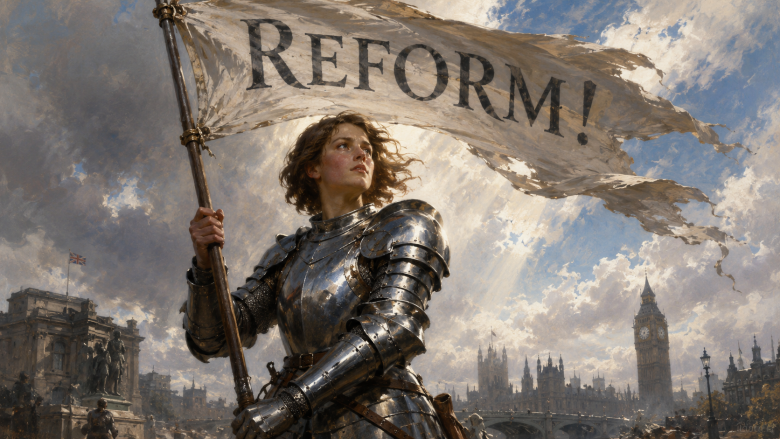
Reform may appear to offer rescue from the failures of Labour and the Conservatives, but no party can escape the hard arithmetic of modern Britain. Debt, ageing populations, public-service strain, defence costs, local decline, and voter impatience will confront whoever takes power. The politics of restoration is powerful when people despair, but history warns that promises of strength and renewal can disappoint — or become dangerous — when reality refuses to obey.
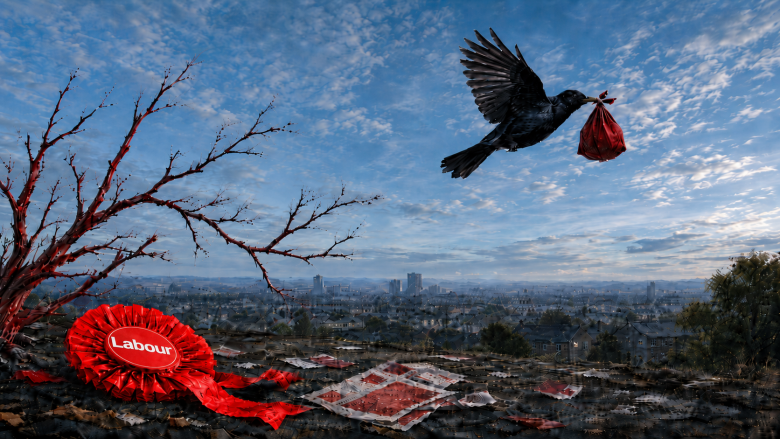
Labour’s local-election defeat was not merely a bad set of results. It exposed a deeper loss of trust: over taxation, pensions, welfare, policing, immigration, digital ID, Gaza, and the everyday condition of Britain’s towns and cities. The phrase “mistakes were made” is no longer enough. Voters want to know who made them, why they were made, and whether the party has understood the scale of its estrangement from the country.
Christianity, as history has handed it down, is not identical with its original impulse. What may once have been a small Jewish movement, centred on inner change and moral re-alignment, was gradually overlaid by cosmic theology, mythological symbolism, sacramental structure, and institutional dogma. Paul universalized the movement; later centuries elaborated it; orthodoxy organized and defended it. Yet the stripping away of those later accretions need not end in mere negation. Beneath them, the original summons may still be heard: a call to metanoia, to a reawakening of the moral centre, to the recovery of that inbuilt orientation towards the good which the world so easily obscures. If so, the real significance of Christianity lies less in dogma than in the possibility that, beneath all its historical layers, it still preserves a call to become inwardly true.
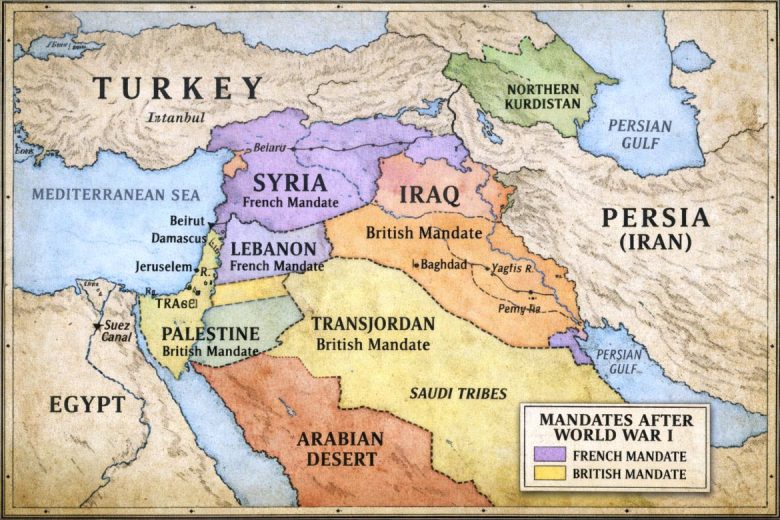
This article traces the history of Iran from the end of the Second World War to the present day. It examines the collapse of imperial influence after 1945, the 1953 coup that strengthened the Shah’s rule, and the dramatic upheaval of the 1979 Islamic Revolution. It also considers the long Iran–Iraq War, tensions with Western powers, disputes over Iran’s nuclear programme, and the country’s role in wider Middle Eastern politics. Through these developments Iran has moved from monarchy to Islamic republic while remaining a central actor in regional and global affairs.

The Bible recognises that societies organised around wealth and power easily drift toward injustice. Yet it offers no political blueprint for a perfect society. Instead, it proposes a moral framework built on prophetic criticism of injustice, limits on the accumulation of wealth, and—most radically—an inner transformation of the human heart. The teaching of Jesus challenges not only unjust systems but the human desire for possession and status that sustains them.
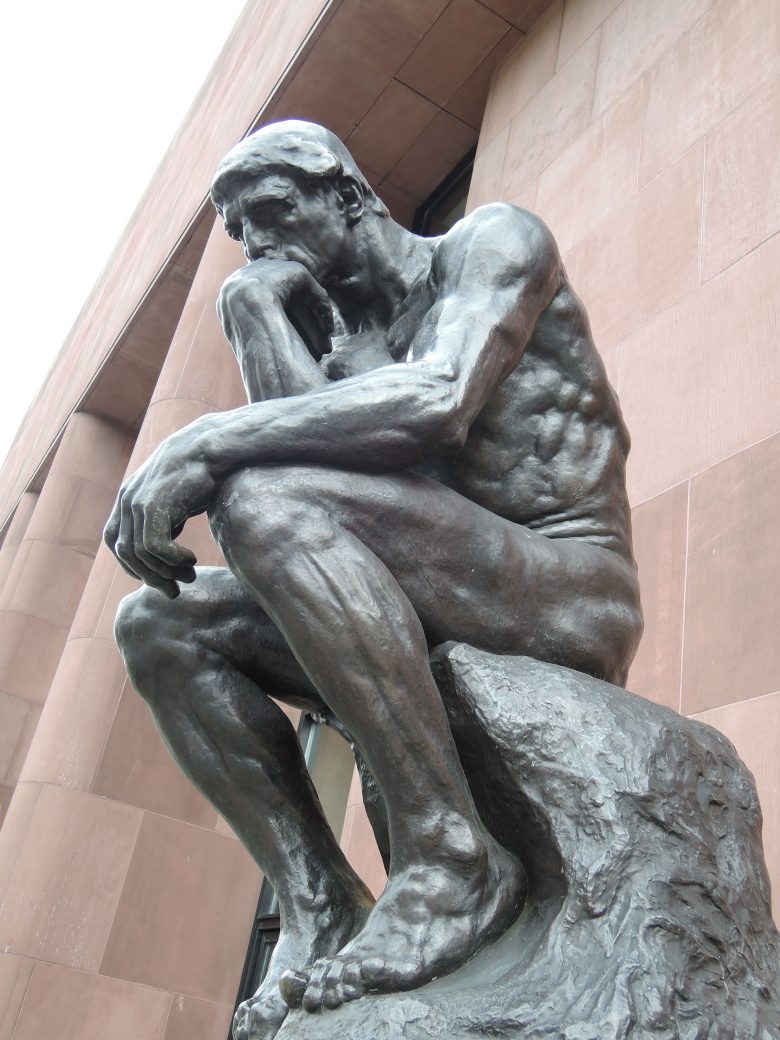
Religion can be understood not as literal cosmology but as a symbolic language through which humanity reflects on its own existence. From Feuerbach and Durkheim to modern psychology, religious ideas reveal how rational animals attempt to interpret consciousness, morality, and the mystery of being human. Seen this way, the emergence of reflective awareness is not a tragedy but one of the great gifts of evolution.
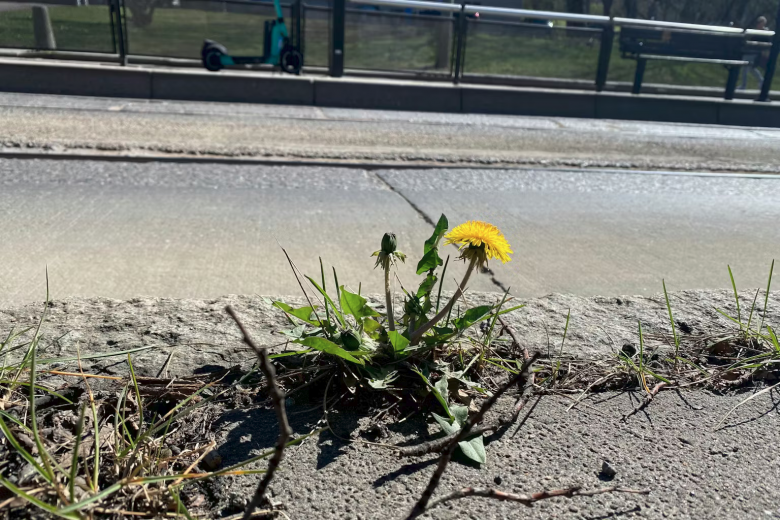
In an age of acceleration, it is easy to feel overwhelmed by civilisational fragility and ecological strain. Yet the decisive question may not be whether history declines, but whether individuals maintain their orientation toward reverence and responsibility. Even small acts of care — leaving a place better than we found it — become expressions of fidelity in a high-energy world.

A reflection on the psychological genius of the Gospel writers — not as supernatural scribes, but as master interpreters of Jewish symbolism and human interior life. This essay explores how living insight hardened into doctrine, how resurrection reshaped Christianity’s centre of gravity, and why the Gospels still endure as a call to inward transformation rather than metaphysical certainty.

A reflection on the Church of England’s quiet transformation — from spiritual authority to institutional survivor — and why Catholicism may endure as faith while Anglicanism persists as structure. Exploring assets, doctrine, conscience, and the possibility of a Church without dogma: shared meals, inward clarity, and compassion without hierarchy.
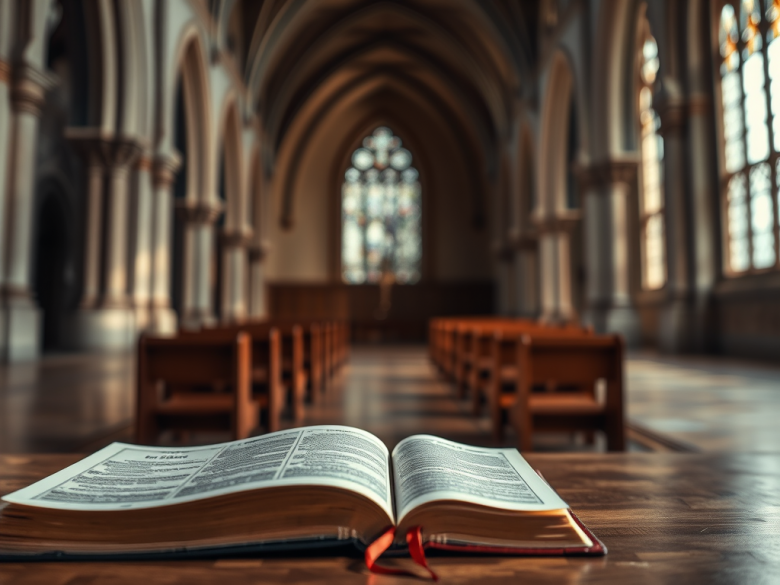
A Church that once shaped conscience now manages assets. As belief thins and process replaces meaning, the Church of England drifts toward becoming a heritage-backed investment body with a spiritual veneer. The Synod debates feel urgent, but the deeper story is structural: faith evaporates faster than property rights. What remains is an institution preserved by land and capital, while Christianity itself quietly returns to where it began — individual conscience.