Society exists to establish order, not fulfilment. Social constraint makes collective life possible, but it does not recognise the autonomy or particularity of the individual. This essay explores the tension between survival instinct and human meaning, arguing that conflict arises not from moral failure but from scarcity, fear, and the limits of social design. Between raw survival and moral idealism lies the harder task of living truthfully within constraint, without illusions of purity, rebellion, or final harmony.
Rousseau’s Émile confronts an uncomfortable truth: human beings are shaped long before they are capable of judgement or resistance. Social constraint precedes understanding, and autonomy arrives late, already burdened by what has gone before. This essay examines Rousseau’s attempt to manage that problem through education, its paradoxes and limits, and why return and revision are possible — but reset is not.
People’s motives differ, but they are almost always shaped by dynamics of attraction that operate below conscious awareness. Choices are made before they are understood, and only later explained in the language of interest, ambition, or necessity. What draws us into a life is rarely transparent at the time.

Meditation is not an escape from life, nor a technique for manufacturing insight, but a way of learning when consciousness can safely let go. Human beings live through rhythms of attention, rest, and drift, and change unfolds over time rather than through heroic effort. What sustains a life is not constant awareness, but the capacity to return—again and again—to meaning, structure, and relation as life moves on.
Knee replacement is properly a last resort, but under pressure the NHS often offers it before slower, systemic alternatives have been explored. Weight loss, strength, balance, and habit form a quieter but more coherent response — one that replaces moralised “discipline” with structure. Like AA’s Just for today, progress comes not from heroic resolve but from staying inside a workable programme, one day at a time.
Modern professional life increasingly blurs the line between care and commerce. When expertise is entangled with financial incentive, need gives way to expectation, and responsibility quietly shifts from system to individual. This essay reflects on dentistry, healthcare, and wider professional culture to ask how trust erodes when money, authority, and guilt replace honesty, restraint, and proportionality.
If the Christian age is drawing to a close, it is not leaving behind a moral vacuum. What follows Christendom is not disbelief, but a transformed moral consciousness — one that has lost its theological centre yet retains its habits of judgement, concern, and aspiration. This essay explores what comes after moral empire, and whether understanding can replace authority as the animating spirit of the post-Christian world.
Western society has not moved beyond Christian morality so much as absorbed it. Belief has thinned, institutions have weakened, yet moral urgency remains — often sharpened rather than softened. This essay explores how Christendom gave way not to moral neutrality, but to a secular moralism that retains Christian habits of judgement without its metaphysical grounding or its ethic of grace.
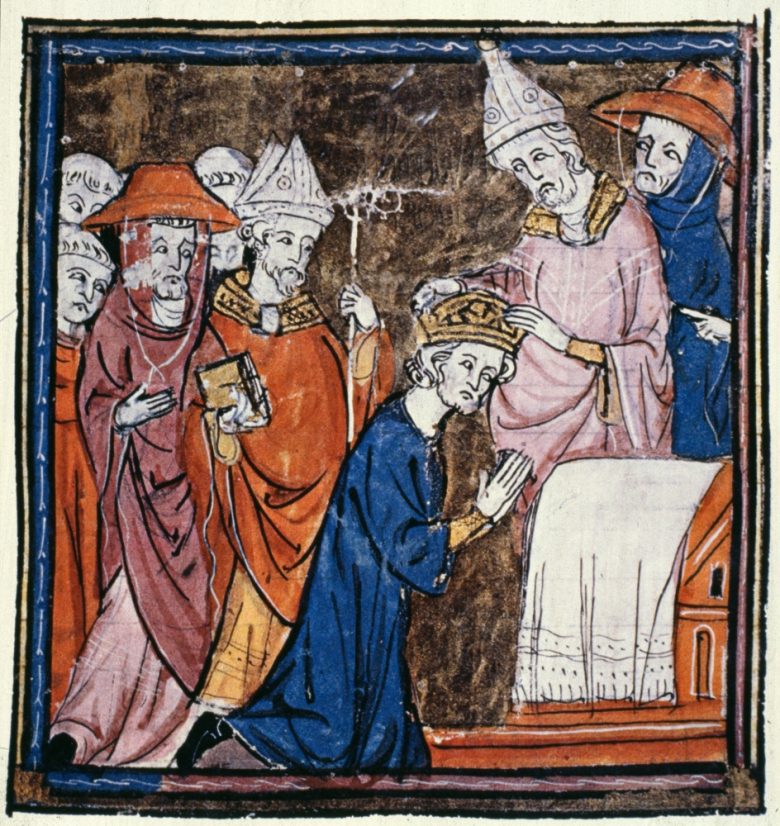
Christianity did not conquer Europe with armies. After the fall of Rome, it spread through networks of meaning: missionaries, monasteries, literacy, ritual, and moral authority. This essay explores how an empire of legions was replaced by an empire of symbols — and why that form of power proved more durable.
Paul is often read as a theologian of sin, salvation, and cosmic order. Read instead as a moral psychologist and community ethicist, a different Paul emerges: perceptive about fear, ego, judgement, and love. This essay argues that his most enduring insights lie not in cosmology, but in his understanding of how fragile human communities survive — or fail.