
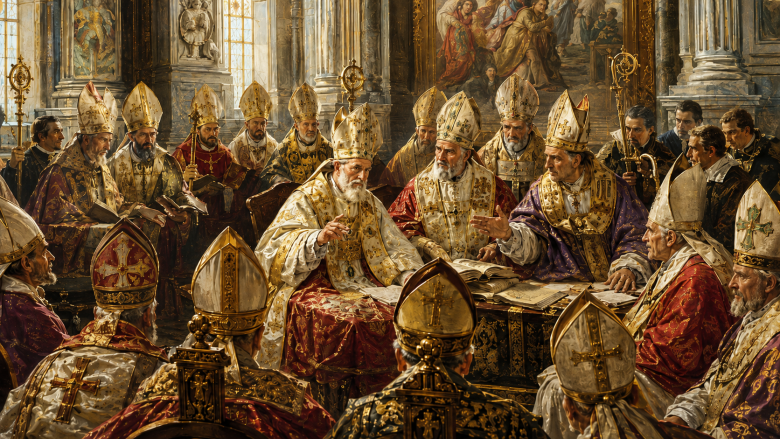
How did a Jewish teacher executed around 30 CE become, within a few centuries, the centre of an elaborate theology defining him as fully divine? This article follows the development from Paul and the Gospels through Marcion, Irenaeus, Arius, Athanasius, Constantine and the great councils of the fourth and fifth centuries.
What happens to the memory of a charismatic teacher after his death? From Jesus to Osho, the growth of institutions, rival interpretations and later doctrines may be less surprising than it first appears.

Christianity may be historically doubtful and institutionally distorted, yet it preserves ancient mysteries of sacrifice, renewal, death, reconciliation and transformation. Are these recurring themes merely products of the human mind, or echoes of something humanity once encountered?
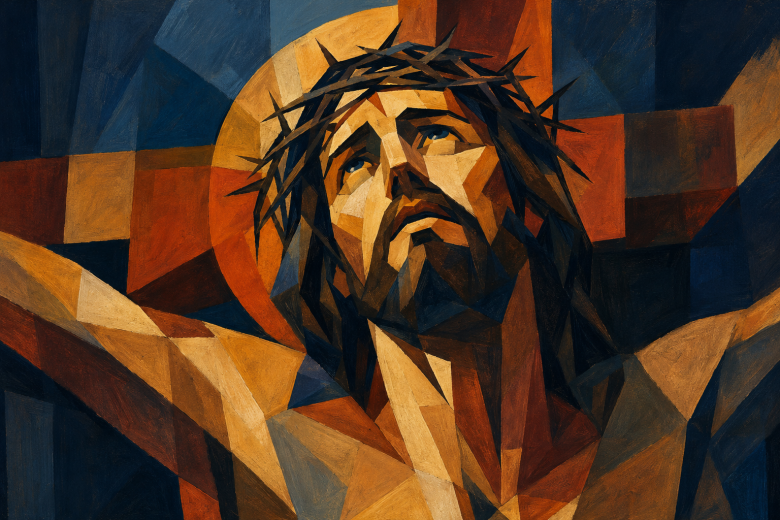
Christianity emerged from Jewish apocalyptic thought, transformed the execution of a Galilean preacher into a universal drama of sacrifice and salvation, and eventually became the intellectual framework of Europe. This article traces that development from Enoch and Qumran to Paul, orthodoxy and the “mind-forg’d manacles” left behind.
Christianity, as history has handed it down, is not identical with its original impulse. What may once have been a small Jewish movement, centred on inner change and moral re-alignment, was gradually overlaid by cosmic theology, mythological symbolism, sacramental structure, and institutional dogma. Paul universalized the movement; later centuries elaborated it; orthodoxy organized and defended it. Yet the stripping away of those later accretions need not end in mere negation. Beneath them, the original summons may still be heard: a call to metanoia, to a reawakening of the moral centre, to the recovery of that inbuilt orientation towards the good which the world so easily obscures. If so, the real significance of Christianity lies less in dogma than in the possibility that, beneath all its historical layers, it still preserves a call to become inwardly true.

A reflection on the psychological genius of the Gospel writers — not as supernatural scribes, but as master interpreters of Jewish symbolism and human interior life. This essay explores how living insight hardened into doctrine, how resurrection reshaped Christianity’s centre of gravity, and why the Gospels still endure as a call to inward transformation rather than metaphysical certainty.
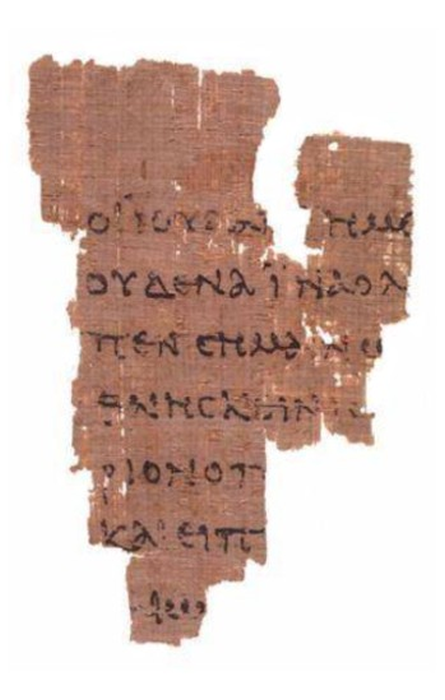
Behind the vast theological edifice of later Christianity lies a very different figure: a Galilean teacher whose sayings in the Synoptic Gospels preserve a startling moral clarity largely absent from the metaphysical Jesus of John and the cosmic Christ of Paul. Recovering the historical Jesus requires peeling away these later layers and listening again for the radical ethical voice that once challenged his hearers to transform the inner life rather than speculate on the nature of the universe.

Many familiar Gospel words—“Hosanna,” “Christ,” “Kingdom,” “cross”—carry meanings shaped less by history than by centuries of translation and tradition. This essay shows how linguistic drift and theological overlay can distort our view of Jesus and how AI can help uncover the original force of the biblical text.
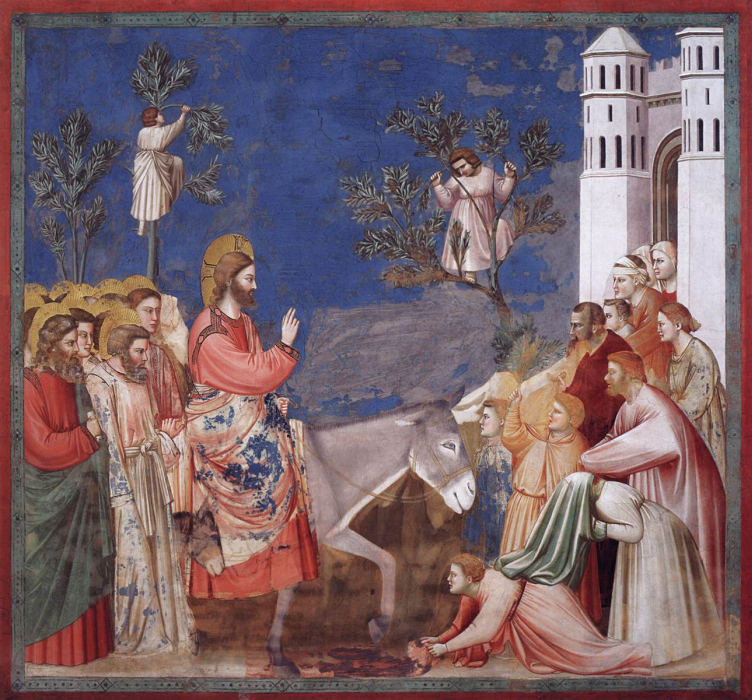
Jesus’ entry into Jerusalem on a donkey was not a triumph but a misfired symbol—an ironic gesture the crowds misunderstood and ultimately rejected. Beneath the Gospels’ later sanitising lies a teacher who defied the messianic expectations imposed on him, and whose authentic voice survives most clearly in his startling, poetic moral teaching.

The census under Caesar Augustus formed the political backdrop to Jesus’ birth, revealing a world shaped by imperial power, taxation, and the struggle for identity under Rome. This essay explores how empire, religion, and human hope intersected in first-century Judea — and why the story still speaks to our own age of control and uncertainty.